
Earth Tones in 2026: The New Commercial Color Palette
| Color Trends , Commercial Design , green building , Sustainable Materials , TFL Panels

Earth Tones are no longer just a flower pot. Ochre has graduated from the art room. And that warm, dusty khaki your client keeps circling on the mood board? It’s officially the most sophisticated color in the commercial design conversation. Welcome to 2026—where earth tones aren’t the safe choice. They’re the smart one.
In this article, you’ll learn:
- Why earth tones have overtaken cool grays as the dominant commercial palette
- The specific hues leading the charge in 2026, backed by major paint and trend authorities
- How biophilic design and wellness culture are driving client demand
- Practical specification strategies for offices, hospitality, retail, and healthcare
- How TFL surfaces and architectural finishes bring this palette off the mood board and onto the wall
- Client case examples from real commercial projects
From Greige to Grounded: Why Earth Tones Are Winning
For the better part of a decade, the commercial interior design world was hooked on cool. Pale grays, bright whites, and sterile greiges ruled open-plan offices and hotel lobbies alike. It was a palette that said “modern” without saying much else. Clients wanted flexibility, and neutrals felt safe. Designers delivered.
But something shifted. The post-pandemic years introduced a hunger for warmth, authenticity, and connection—qualities that a cool-gray palette simply could not deliver. By 2025, the signals were everywhere. By 2026, the earth tone takeover is complete.
According to the 2026 commercial and hospitality forecast by Momentum Textiles & Wallcovering, warm woods, earth-colored tones, and natural fibers are trending as sustainable design and eco-consciousness reshape the industry. The forecast also notes a broader societal driver: more than 60% of Americans report stress about current events and finances—making spaces that feel restorative, not just aesthetically pleasing, a genuine business priority.
Simultaneously, the major paint authorities have aligned. Sherwin-Williams selected Universal Khaki (SW 6150)—an easygoing, earthy hue—as its Color of the Year. Benjamin Moore named Silhouette AF-655, a rich blend of burnt umber with subtle charcoal undertones. Pantone chose Cloud Dancer, a billowy white that signals a collective craving for calm. Together, these selections form a coherent palette philosophy: grounded, warm, and authentically connected to the natural world.
As Construction Specialties’ 2026 commercial design trend report describes it: “There is a move away from the cool grays and whites of the recent past and a move toward warmer tones of beige and brown. Colors will turn to nature for their color.” This isn’t a residential spillover. This is a commercial design reckoning.
The 2026 Earth Tone Hierarchy: Your Palette Breakdown
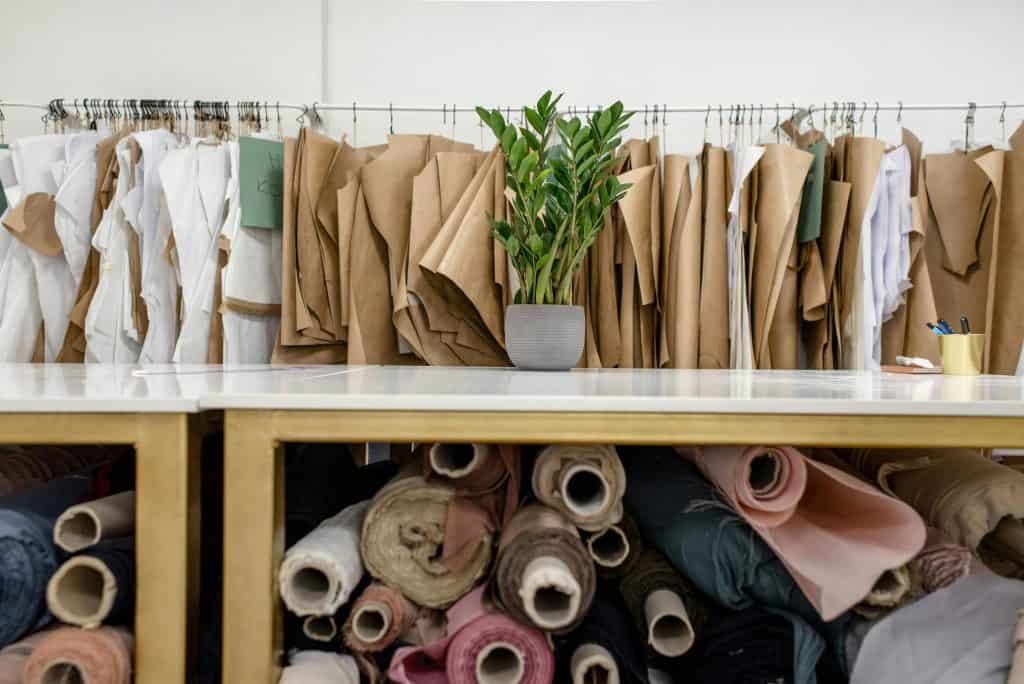
Not all earth tones are created equal, and in commercial design, specificity matters. We’ve mapped the dominant hues into a working hierarchy that helps design teams communicate color decisions to clients, manufacturers, and contractors with precision.
Tier 1: The Foundation Neutrals
These are the large-surface workhorses—the colors that ground a space and provide the baseline from which everything else layers.
- Universal Khaki / Sandy Beige (SW 6150 and equivalents): A warm mid-tone tan with a subtle yellow undertone. It reads as sophisticated, not bland. Perfect for full-wall applications in open offices, hotel corridors, and healthcare waiting areas.
- Sandstone Beige (Hex #E3DAC9): Soft, timeless, and extraordinarily versatile. Works with both matte and gloss TFL finishes. Pairs naturally with raw wood and natural stone surfaces.
- Warm Ivory / Cloud Dancer (Pantone Color of the Year): For ceilings, millwork, and trim. Creates luminosity without the clinical coldness of pure white.
Tier 2: The Character Hues
These mid-tone earth tones carry the most expressive weight in commercial design. They go on accent walls, cabinetry, upholstered panels, and feature surfaces. They are warm enough to feel human, grounded enough to feel professional.
- Terracotta (Hex #CC5959): The most frequently cited commercial earth tone of 2026. It evokes rustic authenticity while feeling current. In hospitality, it reads as welcoming. In retail, it reads as artisan. In healthcare, it promotes calm without sterility.
- Amber / Burnt Caramel: A rich marriage of rust and mustard, sitting somewhere between terracotta brown and golden yellow. As Emily Henderson’s 2026 color analysis notes, amber is “earthy but fashionable—absolutely everywhere,” especially in bathroom and hospitality tile applications.
- Complex Ochre (Hex #E6B35A): A sophisticated, golden-yellow tone that avoids the hazard of standard yellow—it reads as warm light, not primary color. Excellent for hospitality spaces that require a visual energy lift.
- Sienna / Reddened Earth: Deeper than terracotta, more orange than brown. Functions beautifully as a statement feature wall or as a grounding accent in open-plan commercial settings.
Tier 3: The Earthy Darks
These rich, dimensional tones carry more weight and work best in smaller doses—accent walls, entries, intimate zones within larger commercial spaces, and specialty millwork.
- Silhouette (Benjamin Moore AF-655): Espresso brown with subtle charcoal undertones. Benjamin Moore describes it as having “the versatility and softness to bring a space from expected to exceptional.” As the brown color family resurges across fashion and interiors, Silhouette is the commercial specification answer.
- Chocolate Brown (Hex #4E342E): Deep, warm, and grounding. A credible alternative to the ubiquitous dark charcoal that defined the last generation of corporate design.
- Smoky Jade (Behr Hidden Gem N430-6A): A muted green-blue hybrid. While not technically a traditional earth tone, it belongs in this conversation as what Behr describes as both a soft neutral and a bold accent—and it bridges earth and biophilic color palettes seamlessly.
Tier 4: The Earthy Greens
This sub-palette has earned its own tier because of how frequently it appears alongside traditional earth tones in 2026 specifications.
- Forest Moss (Hex #556B2F): Deep and resilient-feeling. Ideal for statement walls in offices or food-service environments where a connection to natural vitality is the design intent.
- Warm Eucalyptus (Valspar): A gentle green tone that pairs directly with rattan, pale wood, and linen—the materials palette of 2026’s “sensory biophilia” movement.
- Olive Green: A 2026 staple that functions as a neutral in earth-toned environments. Complex and slightly muted, olive reads as sophisticated rather than trendy.
The Why Behind the What: Biophilic Design Drives Demand
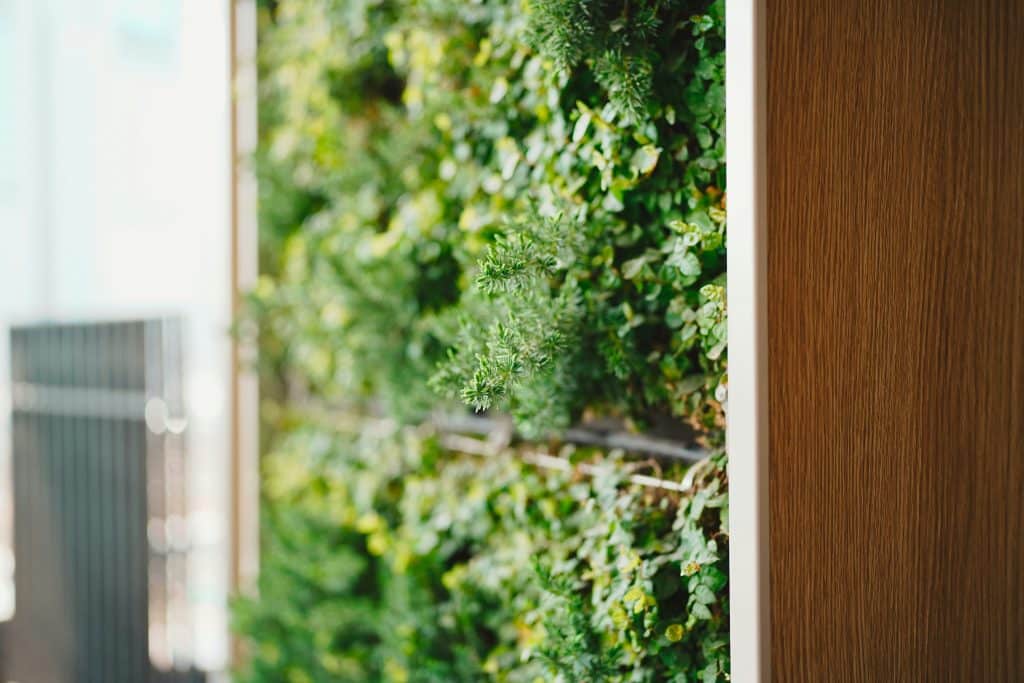
Understanding why clients keep asking for these colors is as important as knowing which ones to specify. In 2026, the commercial design driver is biophilic design—the intentional connection of built environments to the natural world. And it has moved decisively from boutique hotel lobbies to mainstream commercial specification.
According to ArchDaily research cited in the 2026 illustrarch interior design trends report, offices featuring biophilic elements report improved employee productivity, reduced absenteeism, and greater customer engagement. Research consistently shows that exposure to natural materials and elements reduces stress, improves mood, and increases productivity. For commercial clients managing employee retention, guest satisfaction scores, and brand differentiation, those are not soft benefits. They are business outcomes.
Earth tones are the color-based expression of biophilic design. They signal nature without requiring a living wall. They convey authenticity without demanding hand-hewn stone. According to Momentum’s 2026 commercial forecast, the design world is responding to growing demand for stress alleviation by integrating calming tones and tactile materials—and earth tones sit at the intersection of both.
The concept of “sensory biophilia,” identified in the 2026 hospitality and commercial design forecast by Decorator Industries, describes this maturation: design driven by subtlety and sensory experience rather than literal natural motifs. The result is a design approach that trades plastic-looking green walls for genuinely grounded color stories.
For design firm owners and project leads, this is worth internalizing: clients are not just asking for earth tones because they look nice. They are asking because their end users—employees, guests, patients, and shoppers—are demanding spaces that feel restorative. The color palette is the entry point into a larger conversation about human-centered design, and commercial clients are beginning to understand that.
Sector by Sector: Specifying Earth Tones in Commercial Interiors
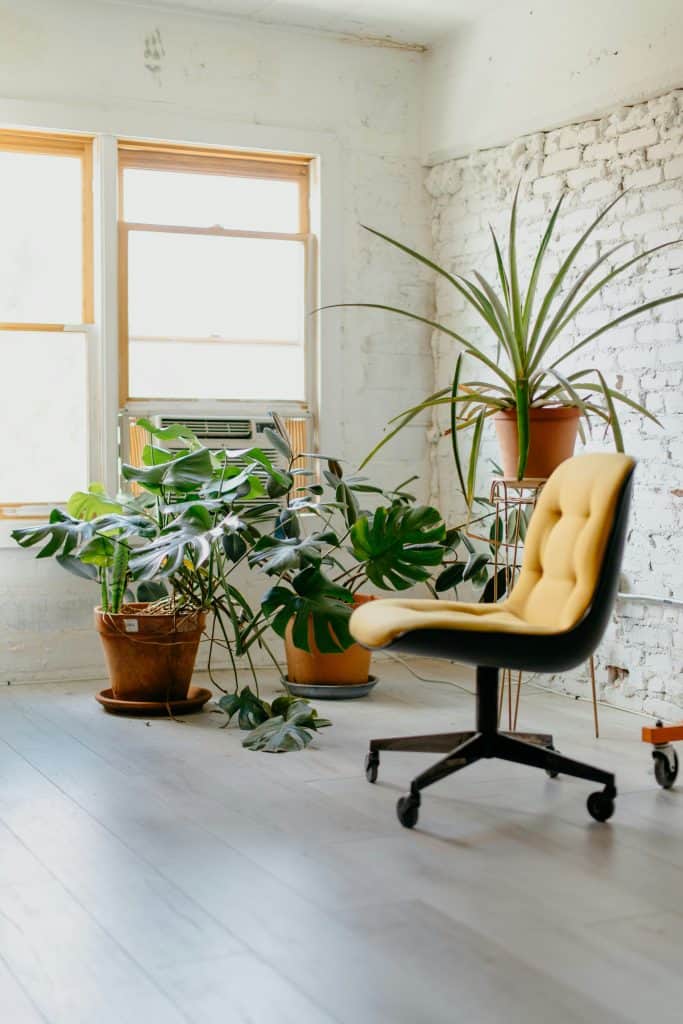
Earth tones do not operate the same way across commercial typologies. Below, we break down specification strategies by sector—the nuances that separate a successful commercial implementation from one that falls flat.
Office and Workplace
The workplace design conversation in 2026 centers on supporting multiple modes of work: focus, collaboration, and restoration. Earth tones serve all three when specified correctly.
For large open-plan floors, foundation neutrals like Universal Khaki and Sandstone Beige on wall surfaces provide visual continuity without the sensory fatigue that comes from repetitive cool gray. Warm ivory on ceilings replaces the sterile brightness of bright white, creating a more human overhead plane.
For enclosed offices, meeting rooms, and acoustic zones, mid-tone earthy hues—terracotta on one wall, olive on another—create the psychological cues that distinguish “collaboration zone” from “focus zone” without resort to floor-to-ceiling partitions. This color-zoning approach aligns with the 2026 commercial interior trend toward acoustic zoning through material and color rather than expensive structural changes.
For reception areas, entry lobbies, and brand moments, deeper Tier 3 tones like Silhouette or Chocolate Brown deliver the visual weight and sophistication that clients expect in signature commercial spaces. Paired with TFL surfaces in natural wood grains or stone patterns, these hues communicate quality and intention without requiring natural stone budgets.
Hospitality: Hotels, Restaurants, and Food Service
Momentum’s 2026 hospitality forecast notes that recent hotel openings are rejecting the beige color-washing formula and embracing a “more-is-more” design scheme that celebrates sensory richness. That does not mean earth tones are out. It means earth tones need to be layered, textured, and paired with complementary accents to deliver the richness hospitality guests expect.
In full-service restaurants, amber and terracotta together create a visual warmth that flatters both food photography and the guests eating it. Olive green on banquette backs or feature walls grounds the palette without reading as themed. Amber bathroom tile—especially in zellige format—has become one of the defining material moments of 2026 hospitality interiors.
For quick-service and fast-casual food environments, earth tones provide the authenticity signal that younger consumers associate with quality and craft. A terracotta wall behind the service counter says “we take our ingredients seriously” without a single word of copy.
Healthcare and Wellness
Healthcare design has historically been slow to abandon the clinical white-and-blue palette. That restraint is softening in 2026. The evidence for earth tones in healthcare is not just aesthetic—it is clinical. Studies on color psychology consistently show that warm, muted earth tones reduce patient anxiety more effectively than cool neutrals.
In waiting areas and patient rooms, warm eucalyptus and sandy beige create the conditions for what designers call a “restorative environment.” For ancillary spaces like corridors, therapy rooms, and staff areas, terracotta and ochre accents—used sparingly—introduce warmth without triggering the over-stimulation concern that sometimes makes healthcare design teams hesitant about color.
Wellness facilities, spas, and fitness centers are the commercial sectors where earth tones have the most latitude. These clients actively want spaces that feel connected to nature, and they are willing to budget for the material quality that makes earth tones feel intentional rather than dated.
Retail and Brand Environments
In retail, color is brand language. Earth tones in 2026 communicate values: sustainability, authenticity, craftsmanship, and calm. For brands in the food, beauty, apparel, and home goods categories, an earth-tone commercial palette signals premium positioning without the coldness of luxury minimalism.
The specification strategy here is to use earth tones on fixed surfaces—walls, shelving units, and millwork—while allowing the product to carry contrast and color. This ensures the palette feels current without dating quickly as merchandise turns over.

From the Field: Earth Tones in Practice
Case Study: Regional Credit Union Branch Renovation
We worked with a regional financial services client on a branch renovation project where the directive was to move from “institutional” to “approachable” without sacrificing professional credibility. The previous palette was the now-dated combination of cool gray walls, white ceilings, and dark charcoal flooring.
Our specification centered on Universal Khaki equivalent on primary wall surfaces, paired with TFL panels in a warm walnut grain for the teller counter surround and private office cabinetry. Terracotta accent panels appeared at the entry vestibule—a color moment that communicated warmth before a single word was exchanged with staff.
The result: client satisfaction survey scores in the new branch exceeded those of the chain’s existing locations by 22 points in the “welcoming environment” category within 90 days of opening. The branch manager’s feedback: “People linger. They used to come in and leave. Now they stay.”
Case Study: Multi-Tenant Office Lobby Upgrade
For a commercial real estate client managing a multi-tenant mid-rise in a secondary market, the challenge was differentiation on a limited budget. The lobby had been unremarkable for years—beige in the flat, colorless sense, not in the warm-and-grounded sense.
We introduced a feature wall application in Silhouette-adjacent chocolate brown TFL panels, complemented by warm ivory on the ceiling and a sandstone-toned painted wall flanking the elevator bank. Natural wood grain reception desk cabinetry in TFL completed the material story. Total surface area affected: under 400 square feet.
The leasing team reported two new lease inquiries in the first month that specifically cited “the upgraded lobby” in the prospective tenant notes. For a landlord on a budget, the ROI conversation became straightforward.
Surface + Substance: Specifying Earth Tones in TFL and Architectural Finishes
The commercial design opportunity in 2026’s earth tone palette is only as strong as the surfaces that carry it. This is where specification knowledge and material expertise become the differentiator.
Thermally Fused Laminate (TFL) surfaces offer commercial designers a practical advantage that paint cannot match: consistency, durability, and the ability to carry complex color and texture stories simultaneously. An earth tone color palette does not have to mean flat walls and painted millwork. The right TFL specifications can deliver the warmth of aged oak, the depth of terracotta-toned stone, and the visual complexity of layered sediment—all with commercial-grade performance.
Key considerations when specifying TFL for earth tone commercial interiors:
- Coordinate undertones carefully: Warm amber-undertone TFL in a natural wood grain reads very differently under cool fluorescent light than under warm LED. Always evaluate material samples under the project’s actual or planned lighting conditions.
- Use finish variation intentionally: Matte TFL finishes align with the 2026 preference for tactile, non-reflective surfaces. A matte terracotta-tone panel reads as considered and artisanal. A high-gloss version of the same hue can tip into dated.
- Pair textures with confidence: The 2026 earth tone palette rewards texture layering. TFL stone-look surfaces alongside painted terracotta walls create the dimensional richness that separates designer-quality commercial interiors from contractor-standard ones.
- Specify for durability in high-traffic zones: Earth tones in commercial settings require surfaces that maintain their integrity over time. TFL’s abrasion resistance means a walnut-toned reception desk surround looks as intentional in year three as it did on installation day.
At KML Designer Finishes, we work with design teams to navigate the full TFL palette and identify the surface specifications that bring earth tone commercial palettes to life with lasting quality. Explore the full surface collection at kmldesignerfinishes.com.
Layering the Palette: Color Strategy for Complex Commercial Projects
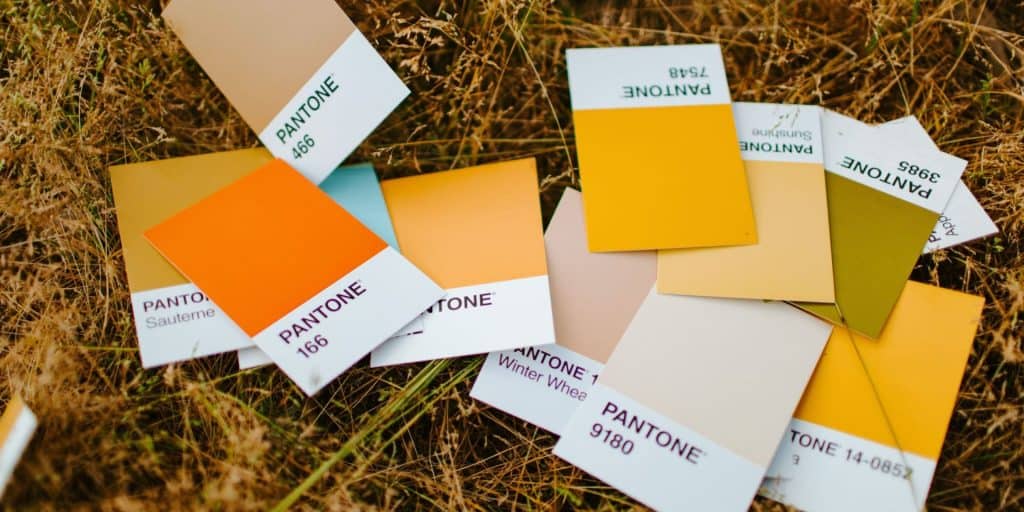
The most common mistake we see when designers try to execute earth tone palettes in commercial settings is treating all the hues as equals. A successful earth tone commercial interior requires a deliberate layering strategy.
We use a three-layer framework:
- Foundation (60%): Neutral earth tones—sandy beige, warm ivory, Universal Khaki equivalents—on primary walls, ceilings, and large surface areas. These create the spatial harmony that makes everything else work.
- Character (30%): Mid-tone earth hues—terracotta, ochre, amber, olive green—on accent walls, cabinetry, upholstered panels, and millwork. These carry the emotional and brand-level message of the palette.
- Depth (10%): Rich darks—Silhouette, Chocolate Brown, deep forest green—used with precision on feature surfaces, entry elements, and brand moments. These create the visual anchors that make a space feel complete.
This layering approach aligns directly with what Benjamin Moore’s 2026 trend palette guidance describes as “stacking bold tones with delicate pastels or grounding rich colors with ethereal neutrals” to create interiors that feel “calm, elegant, yet richly dimensional.”
One additional layer that designers are increasingly adding to earth tone commercial palettes in 2026: subtle metallics. The 2026 hospitality forecast from Decorator Industries identifies the rise of refined shimmer—soft metallics through woven threads, understated brass hardware, and finishes that subtly catch the light. This “gentle glow” effect works beautifully against matte earth tone surfaces, adding sophistication without disrupting the grounded aesthetic.
Designing for Longevity: Are Earth Tones Future-Proof?
The question clients and design teams ask most often about trend-driven palettes is: how long will this last? It’s a fair question. Commercial interiors are investments. A palette decision made in 2026 is one that a client will live with for five to ten years.
The honest answer for earth tones: longer than most. Here’s why.
Earth tones are not trend colors in the fashion-cycle sense. They are expressions of human psychology and biology. As design researcher and author on biophilic design principles notes, green is the color our eyes process most easily—a result of evolutionary adaptation. The same neurological principles that make green, brown, terracotta, and ochre calming also make them durable: they align with how our brains are wired to perceive safety and comfort.
The 2026 trends analysis from Wildkind Interiors puts it directly: “Humans evolved in nature. This isn’t fashion, it’s biology. Which means it’s as close to future-proof as you’ll get.”
That said, the specific surface applications matter for longevity. A terracotta wall painted in a highly saturated, warm tone will read as more of-the-moment in 2026 than in 2030. A terracotta-toned TFL panel on cabinetry or millwork will age more gracefully because its texture and material depth anchor it in craft rather than color trend.
Specification strategy for longevity: use earth tone paint at the highest-saturation end of the palette on surfaces that are inexpensive to update (accent walls, paint-only surfaces). Use TFL and durable architectural finishes for the foundation and depth layers, where the investment needs to hold for a decade.
Frequently Asked Questions
Q: Are earth tones appropriate for all commercial sectors, or are there situations where they don’t work?
A: Earth tones work across virtually all commercial typologies, but the specific hues and ratios should adapt to sector. Healthcare spaces favor warmer, lower-saturation tones. Retail environments can carry more mid-tone intensity. Highly technical or financial settings should lean toward foundation neutrals with restrained character accents. The palette is flexible; the strategy is sector-specific.
Q: How do earth tones perform under different commercial lighting conditions?
A: Earth tones are sensitive to light temperature. Warm LED lighting (2700K–3000K) enhances the warmth of terracotta, amber, and ochre. Cool white lighting (4000K+) can dull these tones and push them toward muddier readings. Always evaluate TFL samples and paint swatches under the project’s planned lighting before finalizing specifications.
Q: What TFL finishes work best with earth tone palettes in commercial settings?
A: Matte and satin finishes align most strongly with the 2026 earth tone aesthetic, which favors tactile, non-reflective surfaces. Natural wood grain TFL in warm walnut, oak, and teak tones are the dominant pairings. Stone-look TFL in sandstone, travertine, and slate patterns complement the palette while adding material diversity.
Q: How do we present an earth tone palette to a skeptical commercial client who “just wants something neutral”?
A: Reframe earth tones as the evolution of neutral. Universal Khaki, warm beige, and sandy cream are neutrals—they just happen to carry warmth instead of cool undertones. Show the data: biophilic-informed palettes demonstrably improve occupant satisfaction, productivity, and brand perception. The palette is both safer and better-performing than cool gray.
Q: Can earth tones work with corporate branding that uses a lot of cool-tone colors?
A: Yes. Earth tone backgrounds amplify cool-tone brand accents by contrast. A deep navy or cool teal branded element reads as more vibrant and intentional against a warm terracotta or sandstone backdrop than against a matching cool gray. The contrast creates visual hierarchy without competition.
The Bottom Line
Earth tones in 2026 are not a trend. They are a design language—one built on the convergence of wellness science, sustainability culture, and a collective human desire for spaces that feel real. For commercial interior designers and specifiers, this is the palette conversation your clients are already having. The question is whether your practice is positioned to lead it.
The designers who will own this moment are the ones who can move past “terracotta is popular” and into the nuanced work: selecting the right undertones, specifying the right surfaces, layering the palette with confidence, and helping clients understand why an earth-grounded commercial interior is not a trend decision—it’s a performance decision.
That’s the surface. The substance is the outcome: spaces that feel human, hold up over time, and give your clients something to show for the investment.
Ready to specify earth tone commercial interiors with confidence? Explore KML Designer Finishes’ full collection of TFL surfaces and architectural finishes at kmldesignerfinishes.com.