
Edge Banding Options: Aesthetic and Functional Considerations
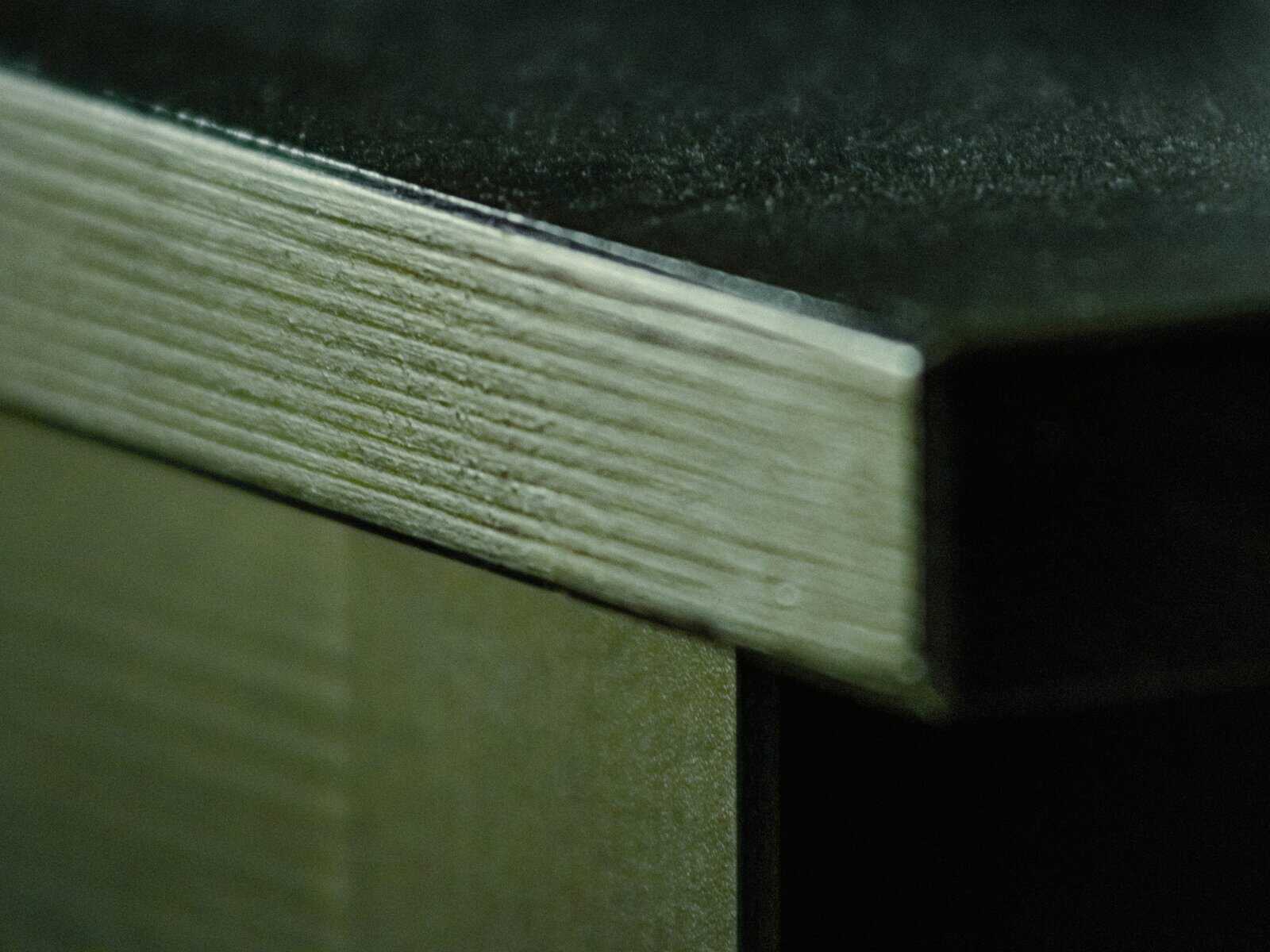
The panel face gets all the attention, but the edge is where craftsmanship shows—and where specification shortcuts become visible for the life of the installation. We’ve walked enough jobsites to know that a stunning TFL casework run can be undermined by mismatched edges, visible glue lines, or banding that peels after six months of use. Edge banding transforms exposed substrate edges into finished surfaces, and the wrong choice undermines even the best panel selection.
In this article, you’ll learn:
- How different edge banding materials—PVC, ABS, acrylic, and wood veneer—perform in commercial applications
- Why aesthetic coordination goes beyond color matching to include texture, gloss level, and grain direction
- How zero-glueline and laser-edge technologies create seamless transitions that blur the line between edge and face
- What specification details prevent field surprises and protect your design intent
- Which edge banding options work best for specific project types, from healthcare to hospitality
Edge Banding Fundamentals
What Edge Banding Does
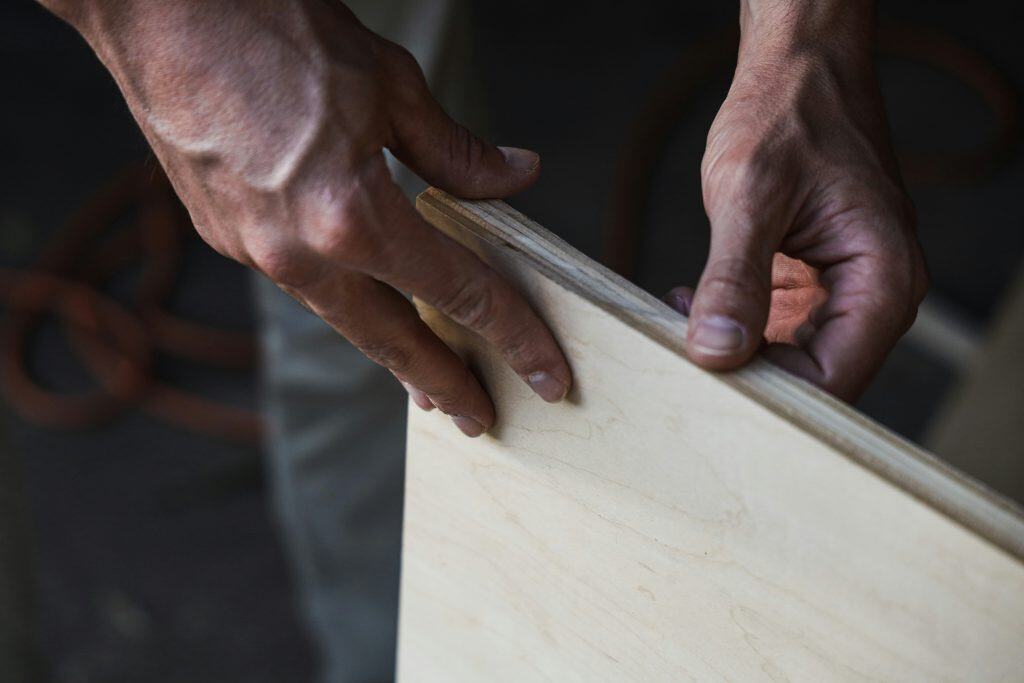
Edge banding serves three essential functions that determine how casework performs over time. First, it protects exposed substrate from moisture infiltration, impact damage, and everyday wear. Particleboard and MDF cores absorb moisture readily through unprotected edges, leading to swelling, delamination, and structural failure. Second, edge banding creates a finished appearance that conceals raw substrate edges and completes the visual presentation of the panel. Third, it enables design continuity from face to edge, allowing the casework to read as a unified element rather than a composite of disparate materials.
As Material Intelligence’s edgebanding guide explains, edgebanding matches or complements the face décor color and pattern while protecting core edges and corners against damage and wear. This dual role—aesthetic and functional—makes edge banding selection a critical specification decision.
The Relationship Between Panel Type and Edge Treatment
TFL and melamine panels present a specific edge treatment challenge. The thermal fusion process that bonds the decorative surface to the substrate stops at the panel edge. Unlike solid wood or veneered panels where the face material can wrap around edges, TFL panels expose raw particleboard or MDF at every cut edge. This substrate exposure creates vulnerability to moisture infiltration, impact damage, and visual discontinuity.
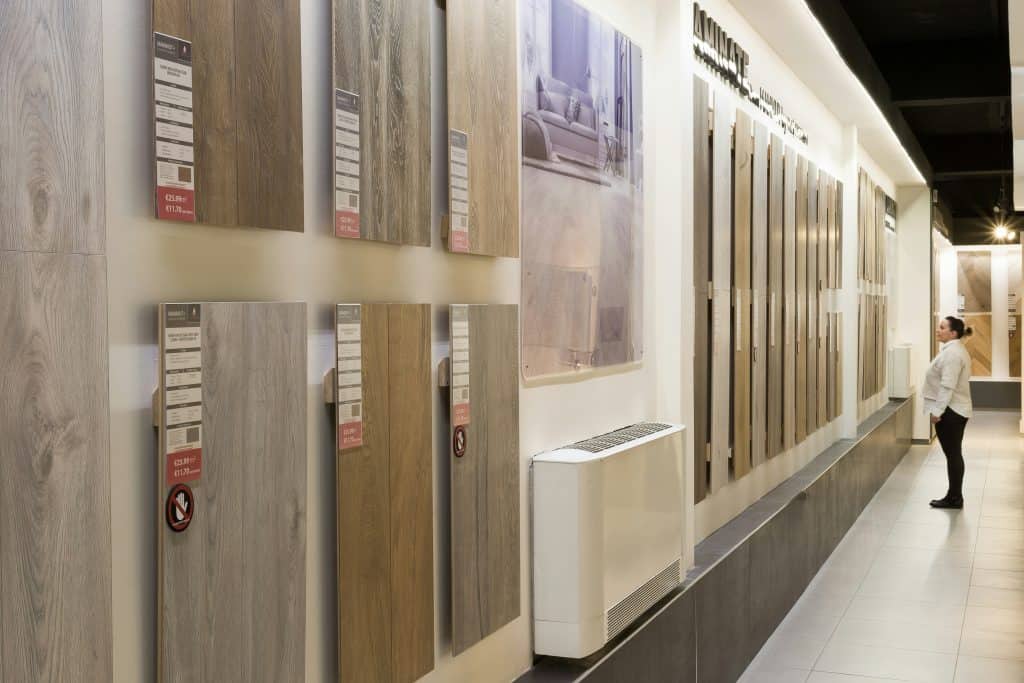
The good news: edge banding manufacturers have developed sophisticated matching programs specifically for TFL coordination. According to Material Intelligence’s TFL guide, TFL producers publish guides to design matches in complementary materials including edge treatments. These cross-reference systems allow specifiers to identify edge banding that coordinates with specific TFL panel designs in color, texture, and gloss level.
Key Specification Considerations Overview
Effective edge banding specification addresses five primary considerations. Material selection determines durability, environmental performance, and available aesthetic options. Thickness options range from 0.4mm for concealed edges to 3mm or more for high-impact applications. Color and texture matching ensures visual coordination with the panel face. Adhesive systems affect bond durability and determine whether visible glue lines will appear. Edge profiles—square, radiused, or beveled—influence both aesthetics and user comfort.
Common Commercial Edge Banding Materials
PVC Edge Banding
Polyvinyl chloride remains the most widely used edge banding material in commercial applications. PRI Edgebanding’s comprehensive guide notes that PVC has continued to grow in popularity over several decades and represents one of the most common materials in laminated and melamine furniture construction.
PVC edge banding offers several advantages that explain its market dominance. The material accepts printing and embossing readily, enabling manufacturers to match virtually any TFL or HPL design. Thickness options range from thin 0.4mm strips for concealed edges to robust 3mm banding for high-traffic applications. Color selection spans solid colors, woodgrains, and patterns with multiple width and thickness options, sheens, and textures.
From a performance standpoint, PVC demonstrates excellent moisture resistance, chemical resistance, and durability. The material’s flexibility allows it to conform to curved edges and radiused profiles. Cost-effectiveness makes PVC the default choice for projects where budget constraints require value engineering without sacrificing appearance.
However, environmental considerations have prompted some specifiers to reconsider PVC. The material produces hydrochloric acid fumes when incinerated, and some studies indicate plasticizers could leak from PVC over time. For projects pursuing environmental certifications or serving clients with sustainability mandates, alternative materials warrant consideration.
ABS Edge Banding
Acrylonitrile Butadiene Styrene has emerged as PVC’s primary alternative, particularly for specification-driven projects. As LEDGEBAND explains, ABS is a plastic polymer that is more expensive than PVC but is easier to work with and more environmentally friendly.
The environmental advantages of ABS are significant. The material is chlorine-free both during manufacturing and in the final product, making it acceptable for incineration with general waste. According to Building and Interiors, ABS edge bands are non-toxic with high durability, making them suitable for furniture in environments that demand high sustainability standards such as schools and hospitals.
ABS also performs better in certain fabrication scenarios. The material is ideal for laser and hot-air zero-joint edge banding technologies due to its fire resistance and absence of toxic fumes when heated. Fabricators report longer trimming knife lifespans when processing ABS compared to PVC.
The primary disadvantage is cost. ABS commands a premium over PVC, which can impact project budgets significantly across large casework packages. However, many architects and designers increasingly specify ABS for healthcare, educational, and commercial casework, driving broader market adoption and gradually improving economies of scale.
Melamine and Paper-Based Edge Banding
Melamine edge banding consists of resin-impregnated paper that offers a cost-effective solution for applications where durability requirements are modest. These lightweight strips match well with TFL panel faces since both materials share similar decorative paper origins.
Paper-based edge banding works best for concealed edges, interior shelving, and applications with minimal wear exposure. The material lacks the impact resistance and moisture protection of thermoplastic alternatives, making it unsuitable for exposed edges in high-traffic commercial environments. However, for interior drawer components, adjustable shelving systems, and other concealed applications, melamine edge banding offers excellent color coordination at minimal cost.
HPL Edge Strips
High-pressure laminate edge strips provide exceptional durability for demanding applications. When casework faces are specified in HPL, matching edge strips maintain material consistency throughout the assembly. HPL edges offer superior impact resistance compared to thin thermoplastic alternatives.
HPL edge strips typically require thicker profiles—often 1mm to 2mm—which creates a more substantial edge presence. This visual weight works well for worksurfaces, laboratory casework, and other applications where a robust edge profile reinforces the design intent. The material coordinates seamlessly with HPL face panels since both derive from the same manufacturing processes.
Acrylic and PMMA Edge Banding
Acrylic edge banding, also known as PMMA (polymethyl methacrylate), represents the premium tier of edge treatment options. Cadre Components explains that acrylic is a high-grade thermoplastic polymer with beautiful clarity and translucency, often used as a lightweight and shatterproof alternative to glass.
The aesthetic possibilities with acrylic edge banding extend far beyond standard color matching. Three-dimensional effects create visual depth through transparent PMMA surfaces printed on the reverse side. According to REHAU’s edgeband catalog, Magic 3D edgeband creates an illusion of depth and embossed texture using a decorative print that shows through a transparent PMMA surface. Dual-tone and three-tone color combinations enable sophisticated design effects that standard thermoplastic edges cannot achieve.
High-gloss acrylic edges complement contemporary kitchen designs, retail displays, and luxury commercial interiors where reflective surfaces define the aesthetic. The material’s scratch resistance and UV stability ensure long-term appearance retention. However, acrylic commands premium pricing and requires careful fabrication to prevent stress whitening during machining.
Wood Veneer Edge Banding
Wood veneer edge banding captures natural wood aesthetics for applications where authenticity matters. CT Edge Band notes that wood veneer edgebanding brings the warmth and authenticity of real hardwood—such as oak, walnut, and maple—to furniture and interiors with perfectly matched wood grains.
Veneer edges coordinate with veneer-faced panels to create unified solid-wood appearances. Finger-jointed rolls provide continuous application, with fleece backing for stability and bondability. The material accepts staining and finishing to match panel face treatments precisely.
Wood veneer edge banding requires additional finishing steps compared to thermoplastic alternatives. The edges must be sealed and topcoated along with the panel faces, adding labor and material costs. For projects where natural wood character justifies the investment, veneer edges deliver authenticity that printed alternatives cannot match.
Aesthetic Considerations in Edge Banding Selection
Color Matching Strategies
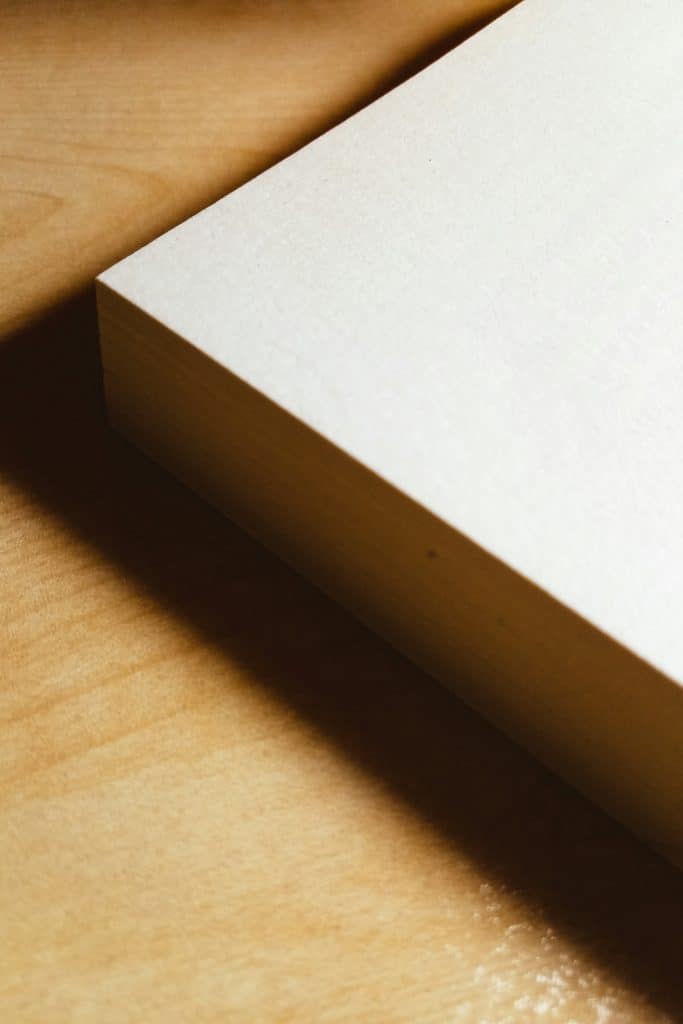
Color coordination between panel faces and edges demands more than selecting the same manufacturer code. Batch variation, production timing, and material differences can create visible mismatches even when specifications appear identical on paper.
LEDGEBAND maintains over 5,000 color-matched SKUs specifically to address coordination challenges across major laminate brands. Manufacturers including Formica, Wilsonart, Kronospan, Egger, and others offer coordinated edge banding programs that align with their TFL and HPL panel collections.
Sample verification remains essential regardless of manufacturer matching programs. Request actual edge banding samples alongside panel samples and evaluate them together under project lighting conditions. Color perception shifts dramatically between fluorescent, LED, and natural lighting environments. What appears matched in a showroom may read differently in a completed healthcare corridor or retail environment.
Some design approaches deliberately contrast edge treatments rather than matching them. A dark woodgrain panel might pair with a black or metallic edge band to create a shadow-line effect. Complementary rather than identical color relationships can strengthen design impact when executed intentionally.
Texture Coordination
Modern TFL panels carry sophisticated embossed textures that create authentic haptic experiences. Material Intelligence notes that today’s TFL panels have come a long way from looking somewhat artificial to carrying very realistic wood designs and textures. Edgebanding manufacturers can mimic the same woodgrain appearance by adding satin finishes to the top of the edgebanding.
Texture coordination extends beyond visual matching to tactile consistency. Combined with a woodgrain texture, the edgebanding provides a homogenous haptic experience from the board to the edge surface. Users touch edges constantly when opening doors, pulling drawers, and gripping work surfaces. Texture discontinuity between face and edge disrupts the material illusion.
Synchronized textures align embossed patterns with printed designs so that texture peaks correspond to woodgrain details. This level of coordination represents the highest tier of TFL and edge banding specification. Not all applications warrant synchronized texture investment, but for visible casework in executive environments or hospitality applications, the refinement registers with discerning occupants.
Gloss Level Alignment
Gloss level mismatch creates immediate visual discontinuity that draws attention to edges rather than allowing them to recede. Wilsonart’s coordinated surfaces program documents gloss levels ranging from super-matte finishes at 3-4 gloss points to high-gloss mirror sheens at 110 gloss points and beyond.
Matte and super-matte surfaces have gained significant market share for their fingerprint resistance and contemporary appearance. REHAU offers elegant matte edges with gloss levels below 6 points, providing high scratch resistance while resisting fingerprints. These low-gloss edges pair naturally with anti-fingerprint panel faces increasingly specified for healthcare, hospitality, and commercial applications.
At the opposite end, high-gloss edges demand precise gloss matching to avoid visible transitions. Mirror-gloss surfaces at 100+ gloss points reveal any gloss differential between face and edge immediately. For these premium applications, specifying edge banding from the same manufacturer collection as the panel face improves coordination consistency.
Lighting conditions affect perceived gloss significantly. Evaluate gloss coordination under multiple lighting scenarios before finalizing specifications. What reads as matched under diffuse ambient light may show gloss differential under directional accent lighting.
Grain Direction and Pattern Continuity
Woodgrain edge banding orientation requires deliberate specification to avoid visual conflicts. Vertical grain on panel faces typically pairs with horizontal grain flow on edges—matching the direction that wood grain would naturally flow if the panel were solid lumber. Specifying grain direction explicitly prevents fabricators from applying edge banding with grain running perpendicular to expected orientation.
Pattern continuity across adjacent panels presents additional complexity. When multiple panels meet at corners or in continuous runs, grain flow should read naturally from one panel to the next. This coordination happens at the fabrication stage but requires clear specification intent to execute properly.
Solid color panels eliminate grain direction concerns entirely, simplifying specification and fabrication. For large casework packages where grain coordination would create logistical challenges, solid colors may offer practical advantages beyond their aesthetic appeal.
Zero-Glueline and Laser-Edge Technologies
Traditional edge banding adhesion relies on hot-melt adhesives that create visible glue lines between edge and panel face. Over time, these glue lines can discolor, collect dirt, and separate as adhesives age. REHAU’s LaserEdge technology employs a pre-applied functional layer that replaces traditional glue, allowing for a much superior and seamless joint between the edgeband and the board.
Zero-joint edge banding activates through laser, hot-air, or near-infrared heat sources that melt a color-matched polymer functional layer. This functional layer infiltrates the panel edge and fuses with the edge banding material to create a monolithic bond. Woodworking Network reports that zero-joint edgebanding allows the board and the edgeband to appear as one solid surface.
The aesthetic benefits are significant. Glue changes color and physically shrinks and swells, leaving gaps where dirt collects and bacteria grow. In contrast, zero-joint technology creates permanent seamless bonds with superior heat and moisture resistance. For healthcare facilities, food service environments, and other applications where hygiene matters, zero-joint edges eliminate potential contamination points.
The functional layer itself carries color pigments matched to the edge banding, so even the bond line coordinates with surrounding surfaces. EVA or PUR glues are available in only five colors maximum, which at best can only complement the surface color. Zero-joint edge banding is produced in hundreds of colors to ensure perfect matches.
Formica’s overview of edgebanding innovations notes that zero-joint edgebanding marries function and design, enabling a seamless, polished look that was not possible in the past.
3D Edge Banding and Special Effects
Premium edge treatments now include transparent, translucent, and dimensional effects that create visual depth impossible with standard materials. REHAU’s Duo-design combines the unique look of real glass with polymer material characteristics, providing a look of glass sitting on top of an acrylic board.
Three-dimensional edge banding prints decorative patterns on the reverse side of transparent PMMA surfaces. Because the print sits beneath the clear surface layer, it creates genuine depth perception rather than surface decoration. The print cannot be rubbed off or damaged regardless of surface stress, and scratches to the acrylic surface can be remedied through buffing.
Metallic effects, including brushed steel, copper, gold, and bronze finishes, add contemporary sophistication to casework edges. These metallic edges complement high-gloss panel faces and create visual punctuation at casework transitions. For retail displays, reception desks, and hospitality millwork, metallic edges deliver impact that standard color-matched alternatives cannot achieve.
Edge Profiles and Thickness Considerations
Edge band thickness affects both visual weight and tactile experience. Thin edges at 0.4mm to 0.5mm create minimal visual presence, allowing panel faces to dominate perception. Thick edges at 2mm to 3mm establish substantial visual weight and provide superior impact resistance for high-traffic applications.
Profile options include square edges with crisp 90-degree corners, radius edges with softened corners for user comfort, and beveled edges that create chamfered transitions. Square edges deliver contemporary minimalism but can feel sharp to touch. Radius edges improve comfort for desk edges, countertops, and casework that users contact frequently.
KML Designer Finishes offers edge banding for both straight and contoured applications, with capabilities including 1mm to 3mm PVC or ABS edge banding for circles, peninsulas, and virtually any other shape. Curved applications require flexible edge banding materials and specialized equipment, but enable design freedom beyond rectangular casework.
Functional Considerations in Edge Banding Selection
Durability and Impact Resistance
Material selection directly affects edge durability under daily use. ABS demonstrates higher impact resistance than PVC, making it preferred for educational furniture, healthcare casework, and other applications subject to cart traffic, equipment contact, and user abuse.
Thickness correlates with impact performance. Thin edges dent and chip more readily than thick alternatives. For institutional applications, 2mm to 3mm edges provide meaningful protection against rolling equipment, wheelchair footrests, and general abuse. The additional material cost repays through extended service life and reduced maintenance requirements.
Moisture and Chemical Resistance
Healthcare, laboratory, and food service environments demand edge treatments that resist moisture infiltration and withstand cleaning chemicals. PVC and ABS both offer excellent moisture resistance, protecting substrate edges from the humidity and spills common in these environments.
Chemical resistance varies by material formulation. Some edge banding products carry specific certifications for chemical compatibility, including resistance to disinfectants, solvents, and laboratory reagents. For applications requiring documented chemical resistance, request technical data sheets confirming compatibility with anticipated cleaning protocols.
Zero-joint edges offer superior moisture resistance compared to traditional glued edges. The seamless bond eliminates potential moisture entry points that could lead to edge lifting or substrate swelling. For casework surrounding sinks, in wet procedure rooms, or subject to frequent cleaning, zero-joint construction provides meaningful performance advantages.
Heat Resistance
Applications near heat sources—coffee stations, food warming areas, or equipment generating waste heat—require edge banding with appropriate thermal stability. Standard PVC edge banding may soften at elevated temperatures, potentially leading to deformation or adhesive failure.
ABS offers superior heat resistance compared to PVC, making it better suited for applications with thermal exposure. For extreme heat proximity, HPL edge strips or specialized heat-resistant formulations may be necessary. Evaluate anticipated thermal exposure during specification and select materials accordingly.
Adhesive Systems and Bond Durability
Three primary adhesive systems bond edge banding to panel substrates. EVA (ethylene vinyl acetate) adhesives represent the industry standard, offering good performance at economical cost. More than 80% of the market uses EVA glue due to availability and affordability.
PUR (polyurethane reactive) adhesives provide superior bond strength and moisture resistance—up to six times stronger than EVA according to industry sources. The moisture-reactive curing mechanism creates extremely durable bonds suitable for demanding applications. However, PUR requires more careful handling and equipment maintenance than EVA.
Zero-joint systems eliminate external adhesives entirely, relying instead on color-matched functional layers that melt and fuse under heat. These systems offer the cleanest aesthetic result and excellent long-term durability, but require compatible edge banding materials and appropriate equipment.
Specification Best Practices
What to Include in Edge Banding Specifications
Complete edge banding specifications include material type and composition (PVC, ABS, acrylic, or veneer), thickness dimension, color reference including manufacturer code and color name, gloss level expressed numerically when possible, texture description or embossing pattern, edge profile requirement (square, radius, or bevel), and adhesive system if applicable.
Vague specifications like “edge banding to match panel” invite interpretation that may not align with design intent. Specify exact manufacturer references whenever possible, and require sample approval before production begins.
Coordinating Edge Banding with Panel Selection
Start edge banding coordination when selecting panel materials, not after. Major TFL manufacturers publish coordination guides identifying edge banding matches for their panel collections. Specifying panels and edges from coordinated collections simplifies procurement and improves match consistency.
For custom color requirements, allow adequate lead time for edge banding production. Stock colors ship immediately, but custom matches may require several weeks for manufacturing and delivery. Factor this timeline into project schedules to avoid delays at fabrication.
Specification Language Examples
Clear specification language prevents ambiguity. Rather than specifying “edge banding to match Wilsonart 7939K-07 Limed Oak,” specify “PVC edge banding, 1mm thickness, Wilsonart 7939K-07 Limed Oak, matte finish (5-8 gloss), woodgrain texture, square edge profile, EVA adhesive.”
This level of detail eliminates interpretation and provides fabricators with actionable requirements. Include sample approval requirements and quality expectations regarding visible defects, color consistency, and adhesion performance.
Application Context by Project Type
Corporate and Office Environments
Corporate casework balances durability requirements with aesthetic expectations. Workstation components, filing systems, and storage casework experience daily use that demands robust edge treatments. ABS edge banding at 1mm to 2mm thickness provides durability without excessive visual weight.
Contemporary office aesthetics favor matte finishes with fingerprint resistance. Super-matte edges below 6 gloss points complement current design trends while resisting the visible fingerprints that plague high-gloss alternatives in high-touch environments.
Healthcare Facilities
Healthcare casework demands cleanability, moisture resistance, and chemical compatibility above aesthetic considerations. Zero-joint edge banding eliminates potential contamination points where bacteria could harbor in glue line gaps. ABS materials meet chlorine-free requirements increasingly specified for healthcare environments.
Thick edges at 2mm to 3mm protect against cart and equipment impacts common in clinical settings. Specify edges with documented chemical resistance to withstand aggressive disinfection protocols without degradation.
Hospitality and Retail
Hospitality and retail applications often justify premium edge treatments that create memorable impressions. Acrylic edges with 3D effects, metallic finishes, and high-gloss surfaces deliver visual impact appropriate for guest-facing environments.
Durability remains important despite aesthetic emphasis. Specify impact-resistant materials that maintain appearance under public use. Balance visual aspirations with practical performance requirements to avoid premature maintenance needs.
Educational Facilities
Educational casework prioritizes durability and value over premium aesthetics. ABS edge banding meets sustainability requirements increasingly mandated for educational construction while providing excellent impact resistance for hard-use environments.
Budget constraints often favor PVC edges for their cost-effectiveness. When environmental certification requirements permit PVC, the material delivers reliable performance at economical cost. Specify 2mm thickness minimum for student-contact edges to resist the abuse that educational furniture inevitably experiences.
Common Edge Banding Mistakes to Avoid
Underspecifying edge requirements leaves decisions to fabricators who may prioritize cost over coordination. Provide complete specifications including material, thickness, color, gloss, and texture.
Mismatched gloss levels between panel faces and edges create visible transitions that draw unwanted attention. Verify gloss coordination through sample evaluation before approving production.
Ignoring grain direction results in edge banding applied with grain running perpendicular to expected orientation. Specify grain direction explicitly for woodgrain edges.
Selecting inappropriate thickness for application demands leads to premature failure. Institutional applications require thicker edges than residential cabinetry.
Failing to verify samples assumes manufacturer matching programs achieve perfect coordination. Evaluate actual samples under project lighting conditions before finalizing specifications.
FAQs – Edge Banding Selection
What’s the difference between PVC and ABS edge banding? ABS is chlorine-free, more environmentally friendly, and better suited for laser edge banding applications. PVC costs less and offers comparable durability. ABS is increasingly specified for healthcare and educational projects with sustainability requirements.
How do I ensure edge banding matches my TFL panels? Use manufacturer coordination guides to identify matched edge banding for your panel selection. Request actual samples of both panel and edge banding, evaluate together under project lighting, and require sample approval before production.
What is zero-glueline edge banding? Zero-glueline technology uses a color-matched polymer functional layer that melts and fuses to the panel edge without traditional adhesive. The result is a seamless, hygienic joint with superior moisture and heat resistance.
When should I specify acrylic edge banding? Acrylic edges suit premium applications requiring high-gloss finishes, 3D depth effects, or glass-like aesthetics. The material commands premium pricing but delivers visual impact impossible with standard thermoplastic alternatives.
What edge banding thickness should I specify? Specify 0.5mm to 1mm for concealed or light-duty edges, 1mm to 2mm for standard commercial applications, and 2mm to 3mm for high-traffic institutional environments requiring impact resistance.
Conclusion – The Edge as Design Detail
Edge banding specification deserves the same attention designers give to panel selection. The edge reveals the truth about casework quality, and specification shortcuts become visible for the life of the installation. Material selection, color coordination, texture matching, and gloss alignment all contribute to successful edge treatments that complete rather than compromise your design intent.
Whether you’re specifying economical PVC for value-driven projects or premium acrylic edges for high-impact hospitality applications, the principles remain consistent: specify completely, verify with samples, and coordinate edges with panel selections from the earliest design stages. KML Designer Finishes provides edge banding coordination resources to help you match the right edge treatment to your TFL and HPL panel selections.