
Hospitality Design Trends 2026: The Materials Shaping Unforgettable Guest Experiences
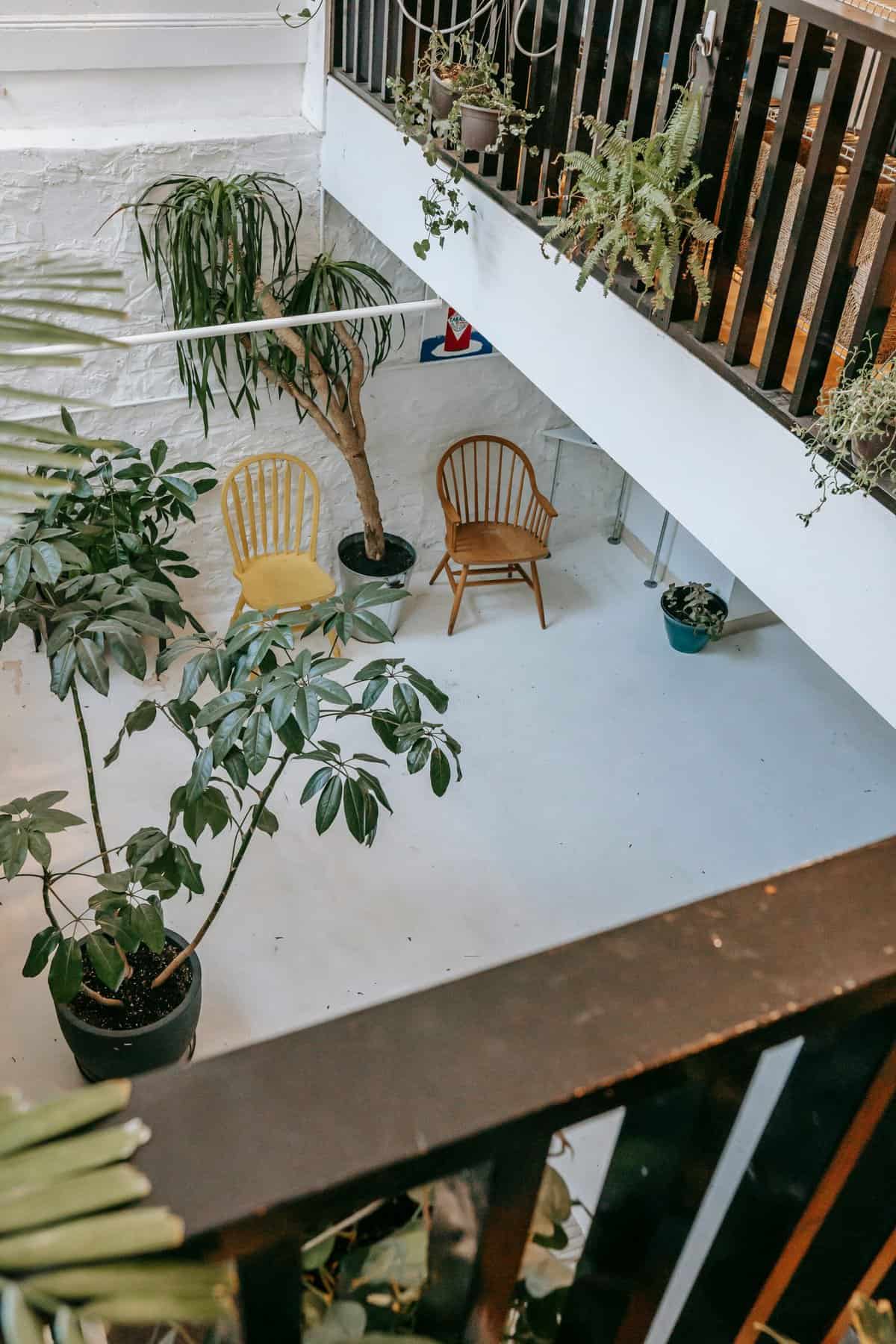
Hospitality materials shape guest memories more deeply than most designers realize. A guest remembers the warmth of reclaimed oak under their fingertips longer than they remember the thread count of the sheets. That single tactile moment—cool terrazzo in a spa lobby, rich velvet on a lounge chair, veined marble catching morning light—can turn a one-night stay into lifelong loyalty. In 2026 and beyond, hospitality design is no longer about dazzling guests with visual spectacle. It is about crafting environments that feel grounded, human, and emotionally resonant.
We have watched this shift accelerate across our work with commercial interior designers and hospitality specifiers. The conversation has moved from “What looks impressive?” to “What feels right?” And the answer, almost always, comes down to materials. The surfaces guests touch, the textures they sense, and the finishes that frame their experience now carry more weight than ever in shaping perception and driving return visits.
In this article, you’ll learn:
- Why material selection has become the primary differentiator in hospitality design
- Which biophilic materials are dominating hotel, restaurant, and wellness spaces
- How layered materiality creates depth, warmth, and a “collected” aesthetic
- What sustainability certifications and practices now qualify as baseline expectations
- How local sourcing transforms surfaces into storytelling opportunities
- Which high-performance materials balance beauty with durability in high-traffic environments
- Practical considerations for applying these trends across boutique hotels, select-service properties, restaurants, and spas
Why Material Selection Now Drives Hospitality Differentiation
The Shift from Spectacle to Substance
Hospitality materials now function as both aesthetic statements and operational decisions. For years, hospitality design chased the Instagram moment. Lobbies became stage sets. Guest rooms became backdrops. But guests grew weary of spaces that prioritized flash over function. According to Hospitality Design’s 2026 trend report, the industry’s most compelling projects this year “prioritized comfort, craft, and substance over spectacle.”
This recalibration means materials must do more than photograph well. They must invite touch. They must age gracefully. They must tell a story that resonates beyond checkout.
We see this in the rise of “experience-driven restraint,” as one HD editorial advisor described it. Designers are stepping back from maximalist visual excess. They are leaning into materiality, lighting, and spatial planning that support how guests actually live, move, and feel within a space.
Guests as “Design Auditors”—What Research Tells Us
Today’s travelers arrive with sharper eyes and higher expectations. A 2018 Hilton survey found that a third of guests research a hotel’s environmental and social practices before booking. Among guests under 25, that figure climbed to 44%. These numbers have only grown since.
Guests notice when a headboard feels cheap. They register when a lobby chair wobbles. They sense when materials clash rather than cohere. In this environment, every surface becomes a brand statement. Every finish communicates care—or its absence.
Biophilic Materials—Bringing the Outdoors In
Wood, Stone, and Natural Fibers That Foster Wellness
Biophilic design is not new, but 2026 has amplified its presence across every hospitality segment. The principle is simple: humans feel calmer, healthier, and more connected in spaces that reference nature. The execution, however, demands thoughtful material selection. Designers are selecting hospitality materials that bring warmth, texture, and nature indoors.
Wood remains the anchor. Warm walnut tones, rich hickory grains, and lighter oak finishes now dominate casegoods, wall paneling, and millwork. According to Shaw Contract’s macro trends report, warm wood tones and deeper neutrals are replacing the cool grays and stark whites of the last decade.
Stone follows close behind. Bold veining in natural stone—whether on countertops, accent walls, or bathroom surfaces—brings dramatic elegance while connecting guests to the timeless beauty of the earth. WATG’s Wimberly Interiors highlights natural stones with rich colors as a key focus for 2026 hospitality interiors.
Natural fibers complete the palette. Silks, velvets, wools, and linens layered across furniture and accessories create an eclectic yet harmonious effect. These textures evoke opulence and care, signaling that every detail has been considered.
Living Walls, Indoor Gardens, and Green Accents
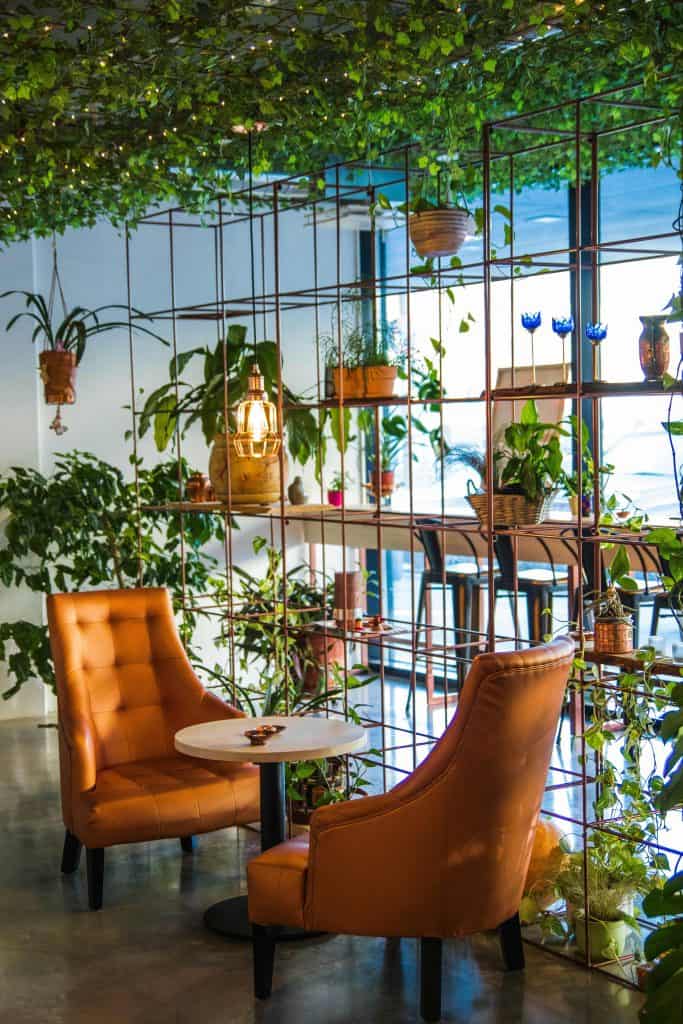
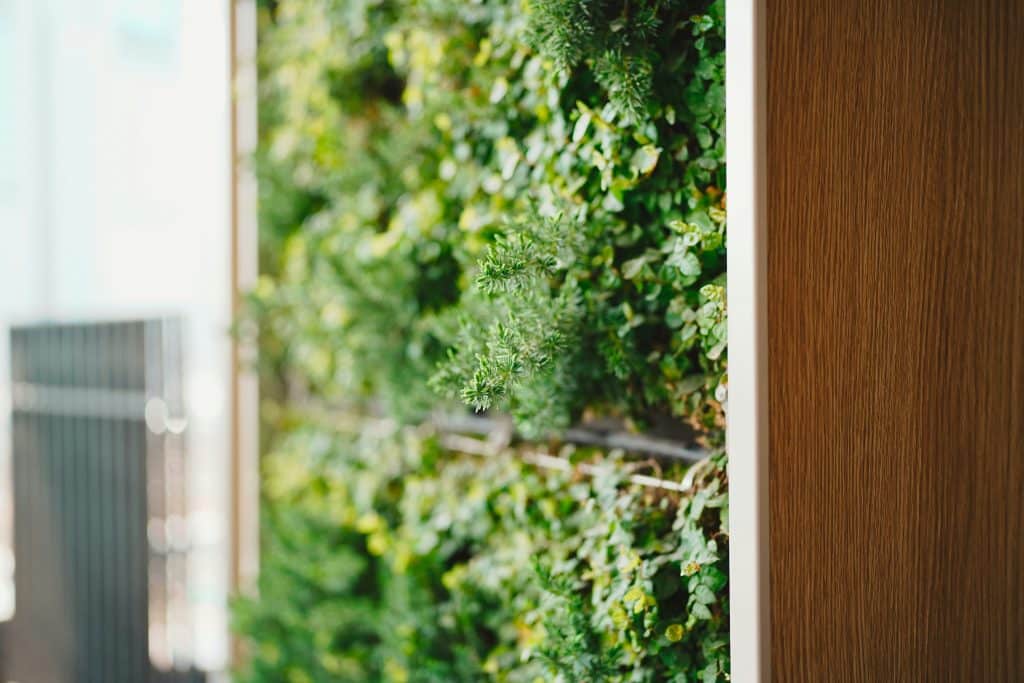
Beyond material finishes, designers are integrating living elements directly into hospitality environments. Living walls in lobby spaces purify air while serving as striking focal points. Potted plants and vertical gardens soften corridors and guest rooms. Nature-inspired art and botanical patterns in textiles extend the biophilic theme without requiring maintenance.
These choices do more than decorate. They actively improve guest well-being. Studies consistently link exposure to natural elements with reduced stress, improved mood, and better sleep—outcomes every hospitality operator wants to deliver.
Practical Considerations for Specifiers
When specifying biophilic materials, we encourage designers to consider:
- Maintenance requirements: Living walls need irrigation and care; faux greenery may suit properties with limited maintenance budgets
- Regional authenticity: Locally sourced wood species resonate more deeply than imported alternatives
- Durability trade-offs: Some natural materials require protective treatments in high-traffic areas
- Fire and safety codes: Natural textiles may need flame-retardant treatments depending on jurisdiction
Layered Materiality—Creating Depth Through Texture and Contrast
Mixing Metals, Textiles, and Finishes
Flat, monolithic interiors are out. Layered, curated environments are in. The most compelling hospitality spaces in 2026 combine multiple textures, finishes, and materials within a single sightline. Think matte black hardware paired with polished nickel accents. Textured upholstery set against smooth leather. Cool metals balanced by warm wood.
This approach creates what designers call a “collected” aesthetic—the sense that a space has evolved organically over time rather than arriving fully formed from a single catalog. Shaw Contract notes that designers are layering unexpected metal combinations and mixing vintage influences with contemporary pieces to achieve this curated feel.
The “Collected” Aesthetic and Why Eclecticism Wins
Guests crave authenticity. They want spaces that feel personal, not manufactured. The collected aesthetic delivers this by embracing imperfection and variety. A mid-century armchair beside a modern console. A handwoven rug beneath a sleek desk. Antique mirrors reflecting contemporary art.
This eclecticism requires careful curation. The goal is harmony through contrast, not chaos through accumulation. Skilled designers balance bold statements with quieter supporting elements, ensuring the eye has places to rest.
Color Trends: Warm Neutrals Meet Jewel Tones
Color palettes in 2026 hospitality design lean warm and saturated. Creams, tans, taupes, and rich browns form the foundation. These earthy base tones feel grounded and calming—a welcome antidote to the clinical whites and cool grays that dominated the previous decade.
Accent colors draw from jewel-toned palettes: deep greens, earthy oranges, rich golds, and saturated purples. These hues energize spaces without overwhelming them. The result is interiors that feel luxurious yet approachable, sophisticated yet inviting.
Sustainability as Standard—Not a Selling Point
Circular Design and the End-of-Life Conversation
Sustainability in hospitality has matured beyond marketing tagline. It is now a baseline expectation from guests, investors, and regulators alike. The most progressive operators are embracing circular design principles that consider a material’s entire lifecycle—from sourcing through disposal or reuse.
Circular design advocates for modular furniture systems that can be reconfigured rather than replaced. It favors materials that can be recycled or composted at end of life. It prioritizes durability to extend replacement cycles.
According to research cited by BEE, using recycled steel can save up to 72% of the energy needed to produce new steel. Reclaimed lumber offers similar environmental benefits while adding character that new wood cannot replicate.
Low-VOC, Recycled-Content, and FSC-Certified Options
Specifiers now routinely seek materials with verified sustainability credentials:
- Low-VOC finishes reduce off-gassing and improve indoor air quality
- Recycled-content materials divert waste from landfills and reduce virgin resource extraction
- FSC-certified woods ensure responsible forest management
- Recyclable metals support closed-loop manufacturing
These choices matter to guests. Hotel Tech Report notes that 81% of travelers surveyed plan to choose sustainable accommodation options. Properties that cannot demonstrate environmental responsibility risk losing bookings to competitors who can.
Certifications That Matter (LEED, WELL, BREEAM)
Third-party certifications provide verified proof of sustainability claims. The most recognized frameworks include:
- LEED (Leadership in Energy and Environmental Design) – Widely used in North America and globally
- WELL – Focuses specifically on occupant health and wellness
- BREEAM – Popular in the UK and Europe
OCCA Design emphasizes that the best certifications measure more than energy efficiency. They assess the full spectrum of environmental, social, and health performance. For designers and specifiers, aligning material choices with these frameworks simplifies documentation and strengthens project credibility.
Local Sourcing and Storytelling Surfaces
Connecting Guests to Place Through Materials
Modern travelers seek destinations that tell a story. They want to feel connected to the history, culture, and character of a place—not dropped into a generic international aesthetic that could exist anywhere.
Materials offer a powerful storytelling medium. Locally quarried stone references regional geology. Regionally harvested woods connect to surrounding landscapes. Textiles woven by local artisans embed cultural narratives into everyday touchpoints.
Case Studies in Regional Authenticity
We have seen this approach succeed across diverse markets. A coastal resort in the Pacific Northwest incorporates driftwood-inspired finishes and regional cedar throughout its public spaces. A boutique hotel in the Southwest layers terracotta tones, hand-thrown ceramic accents, and locally sourced mesquite wood to evoke desert landscapes.
These choices resonate because they cannot be replicated elsewhere. They transform generic hospitality environments into destinations with distinct identities. Guests leave with memories tied to place—and return to recapture that connection.
Performance Materials That Stand Up to High Traffic
High-Pressure Laminates and Engineered Surfaces
Hospitality environments demand more from materials than residential spaces ever could. Guest rooms see hundreds of occupants per year. Lobby furniture endures constant use. Restaurant surfaces face spills, heat, and heavy cleaning protocols.
High-pressure laminates (HPL) and thermally fused laminates (TFL) have emerged as workhorses for these demanding applications. As Artone Manufacturing’s FF&E guide notes, laminate surfaces tend to best balance cost and durability for hospitality casegoods.
Modern laminates bear little resemblance to their dated predecessors. Today’s options replicate wood grains, stone patterns, and abstract textures with remarkable fidelity. Matte finishes, synchronized embossing, and anti-fingerprint treatments deliver aesthetics that satisfy design intent while surviving operational realities.
Antimicrobial and Easy-Clean Solutions
Post-pandemic, hygiene remains a persistent concern for hospitality operators and guests alike. Materials that support rigorous cleaning protocols without degrading have become essential.
Performance fabrics engineered for commercial use withstand heavy cleaning while maintaining texture and color. Antimicrobial surface treatments inhibit bacterial growth between cleanings. Seamless laminate constructions eliminate joints where grime accumulates.
These practical considerations rarely appear in design magazines, but they determine whether beautiful spaces stay beautiful. Specifiers who overlook cleanability often face costly replacement cycles or diminished guest satisfaction as finishes degrade.
Balancing Budget, Durability, and Aesthetics
Material selection always involves trade-offs. Natural stone costs more than engineered quartz. Solid wood demands more maintenance than laminate. Custom metalwork extends lead times and budgets.
Smart specifiers approach these decisions strategically. They invest in premium materials for high-visibility, high-touch surfaces—lobby reception desks, guest room headboards, restaurant feature walls. They deploy cost-effective alternatives for supporting elements where durability matters more than tactile richness.
This tiered approach maximizes perceived value while protecting budgets and operational efficiency.
Applying These Trends Across Hospitality Segments
Boutique Hotels and Lifestyle Brands
Boutique properties thrive on distinctive identity. Material choices should feel curated, personal, and unexpected. Layer vintage finds with contemporary pieces. Embrace bold color accents. Prioritize handcrafted elements that cannot be replicated at scale.
Sustainability and local sourcing align naturally with boutique positioning. Guests choosing independent properties often value authenticity and environmental responsibility more highly than those selecting chain hotels.
Select-Service and Extended-Stay Properties
These segments face tighter budgets and higher operational demands. Material selections must prioritize durability, cleanability, and cost-effectiveness without sacrificing warmth.
High-performance laminates excel here. They deliver the wood-grain and stone aesthetics guests expect while surviving the rigors of high-volume housekeeping. Modular furniture systems allow rapid replacement of damaged components without full casegood swaps.
Biophilic accents—even modest touches like nature-inspired artwork or botanical-patterned textiles—elevate the guest experience without breaking budgets.
Restaurants, Bars, and Wellness Spaces
Food and beverage environments demand materials that withstand spills, heat, and heavy traffic while projecting warmth and hospitality. Performance fabrics and wipeable surfaces are non-negotiable. Acoustic considerations often drive material choices for walls and ceilings.
Wellness spaces—spas, fitness centers, relaxation lounges—prioritize natural materials that support calm and restoration. Stone, wood, and water features dominate. Soft textiles and muted palettes reduce visual noise.
Practical Takeaways for Specifiers
As you evaluate materials for your next hospitality project, consider:
- Guest touchpoints first: Prioritize premium materials where guests interact most frequently
- Lifecycle costs: Factor maintenance, cleaning, and replacement cycles into material decisions
- Regional resonance: Source locally where possible to strengthen sense of place
- Sustainability documentation: Verify certifications and recycled content claims
- Layered variety: Mix textures, metals, and finishes to create depth and authenticity
- Color warmth: Lean into warm neutrals and saturated accents over cool, clinical palettes
- Performance testing: Specify materials rated for commercial use, not residential
- Cleaning protocols: Confirm materials withstand required sanitation procedures
FAQs
What materials are trending in hospitality design for 2026? Natural wood, stone, and textiles dominate. Designers favor warm neutrals, jewel-toned accents, layered textures, and mixed metals. Sustainability credentials and local sourcing add value across all segments.
How do I balance aesthetics with durability in hotel FF&E? Specify high-performance laminates and commercial-grade fabrics for high-traffic areas. Reserve natural materials for visible focal points. Always confirm materials meet commercial abrasion and cleaning standards.
What sustainability certifications should hospitality designers prioritize? LEED, WELL, and BREEAM remain the most recognized frameworks. FSC certification matters for wood products. Low-VOC and recycled-content claims should be independently verified.
How does local material sourcing benefit hospitality projects? Local sourcing reduces transportation emissions, supports regional economies, and creates authentic connections to place. Guests increasingly value experiences that feel rooted in destination identity.
Are laminate surfaces appropriate for luxury hospitality environments? Yes. Modern high-pressure laminates replicate natural materials convincingly while offering superior durability. Leading hotels use laminates strategically for casegoods, millwork, and high-traffic surfaces.