
Case Study: Modern Office Transformation with Sustainable TFL
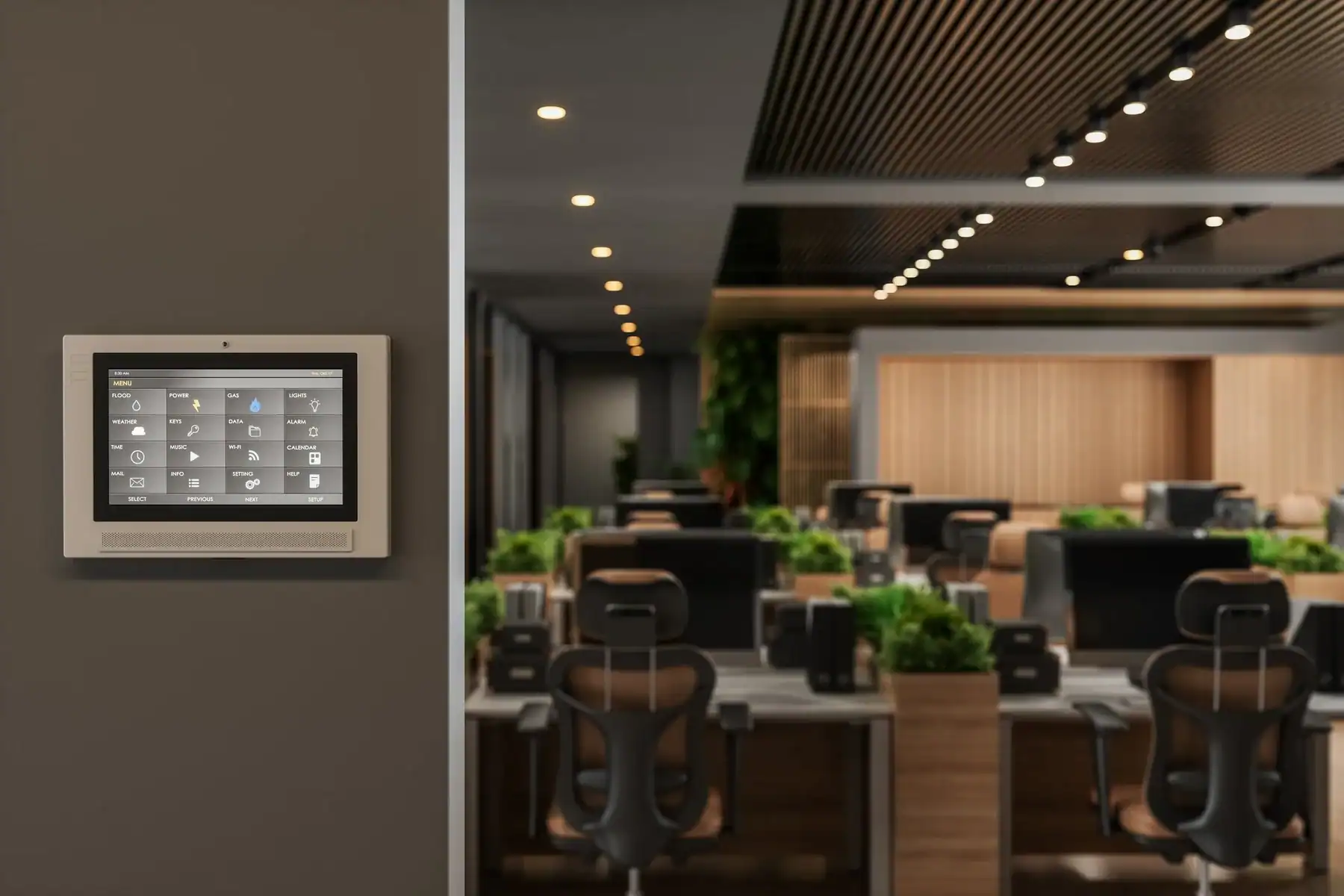
When Meridian Financial Partners outgrew their cookie-cutter suburban office, they didn’t just want more space—they wanted a workplace that reflected their forward-thinking brand without the carbon footprint of a traditional commercial build-out. With 85 employees crammed into 8,000 square feet of beige walls and fluorescent lighting, the Chicago-based fintech firm faced a choice: settle for another generic lease or reimagine what a sustainable office transformation could look like.
We chose the latter. And thermally fused laminate became the hero material that made it possible.
In this article, you’ll learn:
- How strategic TFL selection helped Meridian achieve LEED Gold certification while staying under budget
- The specific applications where TFL reduced material waste by 40% compared to traditional alternatives
- Measurable improvements in employee satisfaction and space utilization following the redesign
- Critical lessons for specifiers balancing sustainability mandates with aesthetic impact and cost constraints
- Real-world implementation strategies that kept a 15,000-square-foot office transformation on schedule
The Challenge: Outgrowing a ‘Good Enough’ Workspace
Company Background: Meridian Financial Partners
Meridian Financial Partners represents the kind of client we love working with: ambitious, values-driven, and willing to invest in quality. Founded in 2018, this financial technology firm grew from 12 employees to 85 in just four years. Their original 8,000-square-foot office in a Class B suburban building served them well initially. But by 2023, the space constraints became impossible to ignore.
Conference rooms were booked solid from 8 a.m. to 6 p.m. Employees worked from coffee shops to escape the noise. The generic builder-grade finishes communicated nothing about Meridian’s innovative approach to personal finance technology. Worse, their recruiting efforts suffered. Top candidates touring the space invariably asked the same question: “Is this really where you work?”
The leadership team knew they needed a change. But they also knew they wanted that change to align with their corporate sustainability commitments.
The Design Brief
Meridian’s CEO handed us a challenging brief. The new 15,000-square-foot office had to achieve LEED Gold certification—a requirement driven both by company values and by the building owner’s incentive structure. The budget was set at $95 per square foot, competitive for the Chicago market but hardly unlimited. And they needed to be operational within six months due to overlapping lease obligations.
The aesthetic direction? Warm, approachable, and distinctly not a traditional financial services office. Think tech-forward without the ping-pong tables and bean bags. According to research from workplace strategy firm Gensler, employees in high-performing workspaces report 16% higher performance than those in average environments. Meridian wanted to join that high-performing category.
Our design team immediately identified sustainable material selection as the make-or-break factor for this project.
Why Sustainable Office Design Starts with Material Selection
The True Cost of Traditional Materials
When designers talk about sustainable office design, the conversation often starts with HVAC systems and LED lighting. Those elements matter enormously. But the embodied carbon and waste generation from interior materials can equal or exceed operational energy use, particularly in renovation projects.
Consider the typical commercial office build-out. Wood veneers require harvesting, processing, and careful handling during installation. Each cut creates waste. Stone and solid surface materials demand energy-intensive quarrying and fabrication. High-pressure laminates, while durable, often contain formaldehyde-based resins that off-gas volatile organic compounds.
According to the World Green Building Council’s analysis of embodied carbon — encompassing the energy used to manufacture, transport, and install construction materials — building materials are estimated to contribute roughly 11% of total global CO₂ emissions, highlighting the significant impact that material choice and design decisions can have on climate outcomes. For commercial interiors specifically, furniture and millwork represent a significant portion of that impact. When we multiply those choices across millions of square feet of office space renovated annually, the cumulative effect becomes staggering.
We needed materials that delivered on three fronts simultaneously: environmental responsibility, budget feasibility, and aesthetic sophistication.
TFL as the Sustainable Workhorse
Thermally fused laminate emerged as our primary surface material for compelling reasons. Unlike traditional high-pressure laminate that requires adhesives during installation, TFL bonds decorative paper directly to particleboard substrate under heat and pressure during manufacturing. This process eliminates one layer of potential VOC emissions.
The particleboard substrate itself comes from post-industrial wood fiber—material that would otherwise become waste. Quality TFL manufacturers pursue Forest Stewardship Council certification, ensuring responsible forestry practices throughout the supply chain. Many TFL products also carry GREENGUARD Gold certification for low chemical emissions, critical for indoor air quality in occupied spaces.
But here’s what sold Meridian’s leadership team: durability equals sustainability. A TFL surface that resists scratches, stains, and impact damage for 15 years eliminates the need for replacement. That longevity reduces lifecycle environmental impact far more than using a “greener” material that requires replacement every five years.
For this office transformation, we specified TFL from KML Designer Finishes across multiple applications. Their extensive design library gave us the aesthetic range we needed while their certifications checked every box in the LEED scorecard.

The Design Solution: A TFL-Centered Approach
Zoning the Space for Maximum Impact
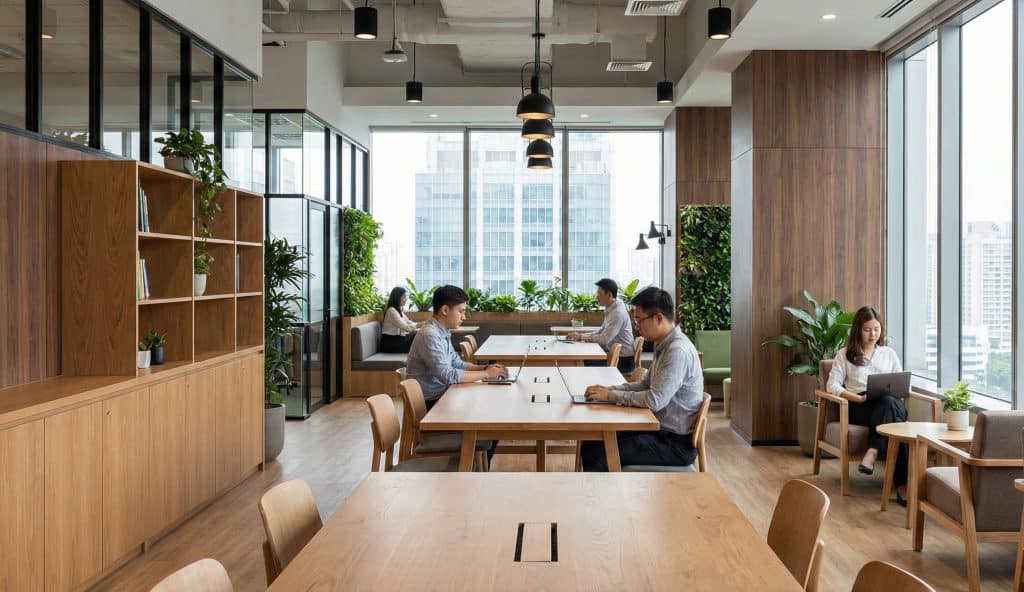
We organized the 15,000-square-foot floor plate into distinct zones, each with specific functional and acoustic requirements. The perimeter offered natural light and views, perfect for focus work and private offices. The interior core housed collaborative spaces, conference rooms, and circulation. A dedicated wellness zone near the kitchen included a meditation room and mothers’ room—amenities that differentiated Meridian from competitors in the talent market.
This zoning strategy allowed us to vary material applications based on use intensity. High-traffic circulation areas received the most durable TFL finishes. Client-facing spaces showcased the most visually striking patterns. Workstation zones balanced acoustic performance with cost efficiency.
Strategic TFL Applications
We deployed TFL across six major application categories, each chosen to maximize both sustainability impact and design effect.
Workstation systems represented our largest TFL investment. Rather than specify manufactured furniture with limited customization options, we designed built-in benching that maximized space efficiency. TFL work surfaces and privacy screens delivered uniform appearance across 45 workstations. The warm walnut woodgrain pattern we selected added richness without the cost or maintenance requirements of real wood veneer.
Conference room tables became statement pieces. We used book-matched TFL panels to create the appearance of solid wood planks at a fraction of the weight and cost. Three conference spaces featured different finish selections—light oak, charcoal grey, and a dramatic concrete pattern—giving each room distinct character while maintaining material consistency.
Millwork and built-in storage appeared throughout the space. Reception desk, kitchen cabinetry, file storage, and display shelving all utilized TFL. The consistency of finish quality across these elements created visual cohesion that elevated the entire environment. Unlike painted millwork that shows wear quickly, TFL surfaces maintained their appearance through the chaos of move-in and the first months of occupancy.
Acoustic wall panels addressed one of open offices’ persistent challenges: noise. We fabricated TFL-faced panels over sound-absorbing substrate, mounting them strategically in collaboration zones and along glass-fronted conference rooms. The panels served double duty—improving speech privacy while adding texture and pattern to otherwise plain walls.
Focus room interiors received full TFL treatment. These eight-person spaces needed to be acoustically isolated and visually calm. Floor-to-ceiling TFL wall covering in soft neutral tones created cocoon-like environments where employees could concentrate without distraction.
Finish Selection Process
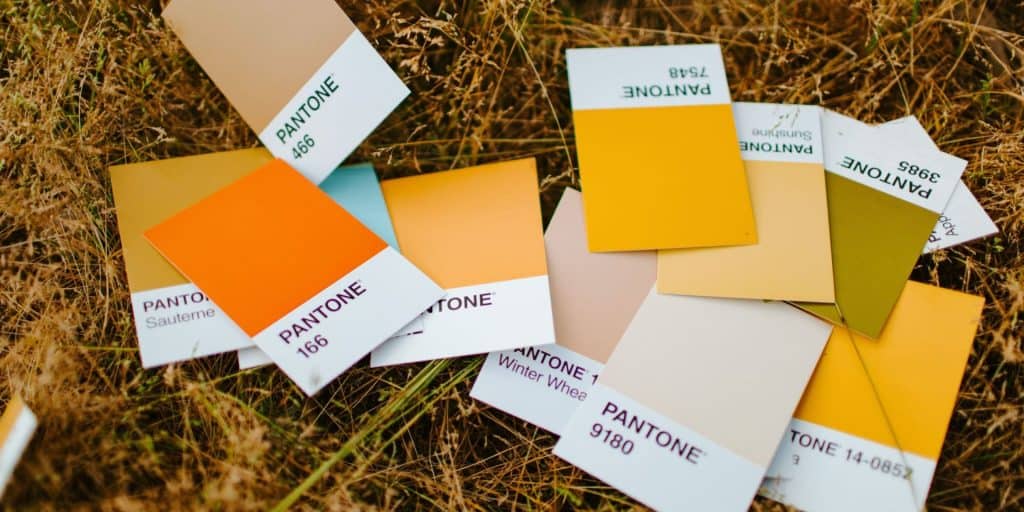
Meridian’s brand colors—deep navy, warm copper, and soft grey—informed our palette. But we pushed beyond literal translation. The navy became a rich charcoal TFL used in executive offices. The copper inspired our selection of a caramel oak woodgrain for reception and conference spaces. The grey found expression in concrete-look TFL panels that added industrial edge to collaborative zones.
Understanding how color choices impact workplace psychology and performance proved essential to our finish selection strategy. We knew warm wood tones would create approachability in client-facing areas while cooler greys would support focus and concentration in workstation zones. This science-backed approach to color gave us confidence that our aesthetic decisions would deliver functional benefits beyond visual appeal.
We created physical sample boards showing each TFL finish alongside complementary materials: acoustic felt panels, powder-coated metal, glass, and upholstered seating. This comprehensive approach ensured every material decision supported the overall vision. The client could see and touch how elements worked together before fabrication began.
Implementation: Turning Vision into Reality
Collaboration Between Design Team and Fabricators
We engaged our millwork partners during design development, not after construction documents were complete. This early collaboration proved essential. The fabricators identified opportunities to standardize panel sizes, reducing waste during cutting. They suggested alternative edge details that improved durability without additional cost. They flagged potential installation sequences that would minimize on-site disruption.
One specific example: our initial conference table design called for mitered corners, an elegant detail that creates seamless edges. The fabricator proposed butt-joined corners with matching edge banding instead. This simpler approach reduced fabrication time by 30% and eliminated a potential point of failure. The visual difference? Imperceptible at three feet away. The cost savings funded upgraded task lighting throughout the workstation areas.
We built full-scale mock-ups of three critical conditions: a typical workstation cluster, a conference room wall assembly, and the reception desk. Meridian’s leadership team reviewed these mock-ups in the fabricator’s shop, requesting minor adjustments to edge profiles and finish orientation. Those refinements, made before full production began, saved weeks of potential rework.
Installation and Timeline Management
Our general contractor implemented a phased installation approach. Core infrastructure—demising walls, HVAC, electrical—came first. Millwork installation followed, progressing from the perimeter inward. This sequence allowed multiple trades to work simultaneously without interference.
Quality control checkpoints occurred at each phase completion. We verified TFL panel alignment, inspected edge details, and tested all integrated technology before accepting work. Two minor issues surfaced: a slight color variation between panels from different production runs, and misaligned holes for power grommets in one conference table. Both were corrected within days because we caught them early.
The six-month timeline proved aggressive but achievable. Meridian took occupancy on schedule, with only minor punch-list items remaining. Employees moved in over a weekend, and by Monday morning, the new office was fully operational.
Results: Measurable Impact of the Office Transformation
Sustainability Metrics
Meridian’s office achieved LEED Gold certification, earning 65 points across all credit categories. Material selection contributed significantly to that score. The project earned full points for low-emitting materials thanks to TFL’s GREENGUARD Gold certification. We also captured credits for regional materials sourcing, construction waste management, and indoor environmental quality.
Material waste tracking revealed impressive results. The project generated 40% less waste by weight compared to similar office renovations we’ve completed using traditional materials. How? TFL’s prefabricated nature meant precise shop cutting rather than on-site improvisation. The wood fiber substrate meant material scraps could be recycled rather than landfilled. And the durability of TFL eliminated the need for protective coverings during construction that would have added to the waste stream.
VOC emissions testing conducted three weeks after occupancy showed formaldehyde levels 75% below LEED threshold requirements. This exceptional indoor air quality meant employees experienced no “new office smell” that often accompanies renovations. No headaches, no complaints about air quality—just immediate comfort.
Employee Experience Improvements
Meridian conducted post-occupancy surveys three months after move-in. The results validated every design decision. Overall workplace satisfaction increased 23% compared to the previous office. Employees specifically praised improved acoustic comfort, better access to natural light, and spaces designed for different work modes.
Space utilization data told an equally compelling story. Conference rooms, previously booked at 95% capacity, now showed 78% utilization—a sign that focus rooms and collaborative zones absorbed overflow demand. The kitchen and wellness areas saw consistent use throughout the day. Phone booths designed for video calls were occupied 60% of business hours.
Recruiting metrics improved dramatically. Candidate acceptance rates for job offers increased from 68% to 84% in the year following the office transformation. Exit interviews with new hires consistently mentioned the workspace as a factor in their decision to join Meridian. The office became a recruiting asset rather than a liability.
Budget Performance
The project came in at $92 per square foot, under the $95 budget by more than 3%. Where did we find savings? TFL’s cost-effectiveness compared to alternatives delivered the biggest impact. If we’d specified wood veneer for the same applications, material costs alone would have increased by $48,000. Stone conference tables would have added another $22,000. High-pressure laminate with field-applied adhesives would have required additional labor costs totaling $15,000.
But the real budget win came from life-cycle thinking. TFL’s durability means lower maintenance costs over the office’s lifespan. No refinishing wood surfaces every few years. No replacing scratched laminate panels. No patching and painting millwork. We estimated annual maintenance savings of $8,500 compared to traditional materials—$127,500 over a 15-year lease term.
Those savings matter to CFOs as much as LEED points matter to sustainability directors. When sustainable office design also makes financial sense, adoption becomes far easier.
Lessons Learned: Key Takeaways for Designers and Specifiers
This office transformation taught us lessons applicable to projects of any scale. Early material decisions cascade through every aspect of a project, affecting cost, schedule, performance, and aesthetics. Engaging the full team—architect, interior designer, contractor, fabricators, and client—during material selection prevents problems before they start.
Client education proved critical. Meridian’s leadership initially assumed “sustainable” meant sacrificing visual appeal or accepting premium costs. Showing them TFL samples alongside veneer and stone samples shifted that perception. They could see that environmental responsibility and design excellence weren’t competing priorities—they reinforced each other.
TFL’s versatility allowed creative problem-solving throughout design. When budget constraints threatened to eliminate built-in millwork in favor of manufactured furniture, we showed how TFL benching delivered better space efficiency at lower cost. When acoustic requirements seemed to dictate expensive specialty panels, TFL-faced absorption panels met the same performance standards at half the price.
Collaboration beats specification. Rather than dictating exact solutions through construction documents, we invited input from installers and fabricators. Their expertise improved outcomes while building shared ownership of project success. The best design ideas often come from the people who actually build things.
Measuring outcomes justifies design choices. Post-occupancy evaluation isn’t standard practice in commercial interiors, but it should be. The data we collected proved the value of every decision we made. That evidence helps future clients understand why material selection deserves serious attention and adequate budget.
Frequently Asked Questions
What makes TFL more sustainable than other surface materials?
TFL uses post-industrial wood fiber substrate and requires no field-applied adhesives, reducing VOC emissions. Its durability eliminates frequent replacement needs. Quality TFL carries FSC and GREENGUARD certifications proving responsible sourcing and low emissions. Over a 15-year lifecycle, TFL typically generates 30-40% less environmental impact than traditional alternatives.
How does TFL perform in high-traffic commercial applications?
TFL excels in demanding environments. The thermal fusion process creates a permanent bond that resists delamination. Surfaces resist scratches, stains, moisture, and impact damage better than wood veneer or painted finishes. Commercial-grade TFL maintains appearance for 15-plus years with basic cleaning. We’ve never had a callback for TFL failure in properly specified applications.
Can TFL achieve the aesthetic quality of wood veneer or stone?
Modern TFL replicates natural materials with remarkable fidelity. Digital printing and synchronized embossing create grain patterns and textures virtually indistinguishable from real wood or stone at normal viewing distances. The consistency TFL provides actually exceeds natural materials—no variation between panels, no need for book-matching, predictable appearance across large installations.
What’s the cost comparison between TFL and traditional materials?
TFL typically costs 40-60% less than wood veneer and 60-80% less than stone for equivalent applications. Installation labor runs 20-30% lower because TFL requires no specialized finishing trades. Factor in lifecycle costs—no refinishing, no replacement—and TFL delivers 3-4 times better value over a 15-year commercial lease term.
How quickly can a TFL-centered office renovation be completed?
TFL accelerates schedules significantly. Prefabrication in controlled shop environments eliminates weather delays and site coordination challenges. No waiting for finishes to cure or for specialized trades to sequence through. A 15,000-square-foot office transformation like Meridian’s can be completed in 4-6 months compared to 7-9 months using traditional materials and methods.