
Boutique Hotel Design: How to Balance Signature Aesthetics with Built-to-Last Durability
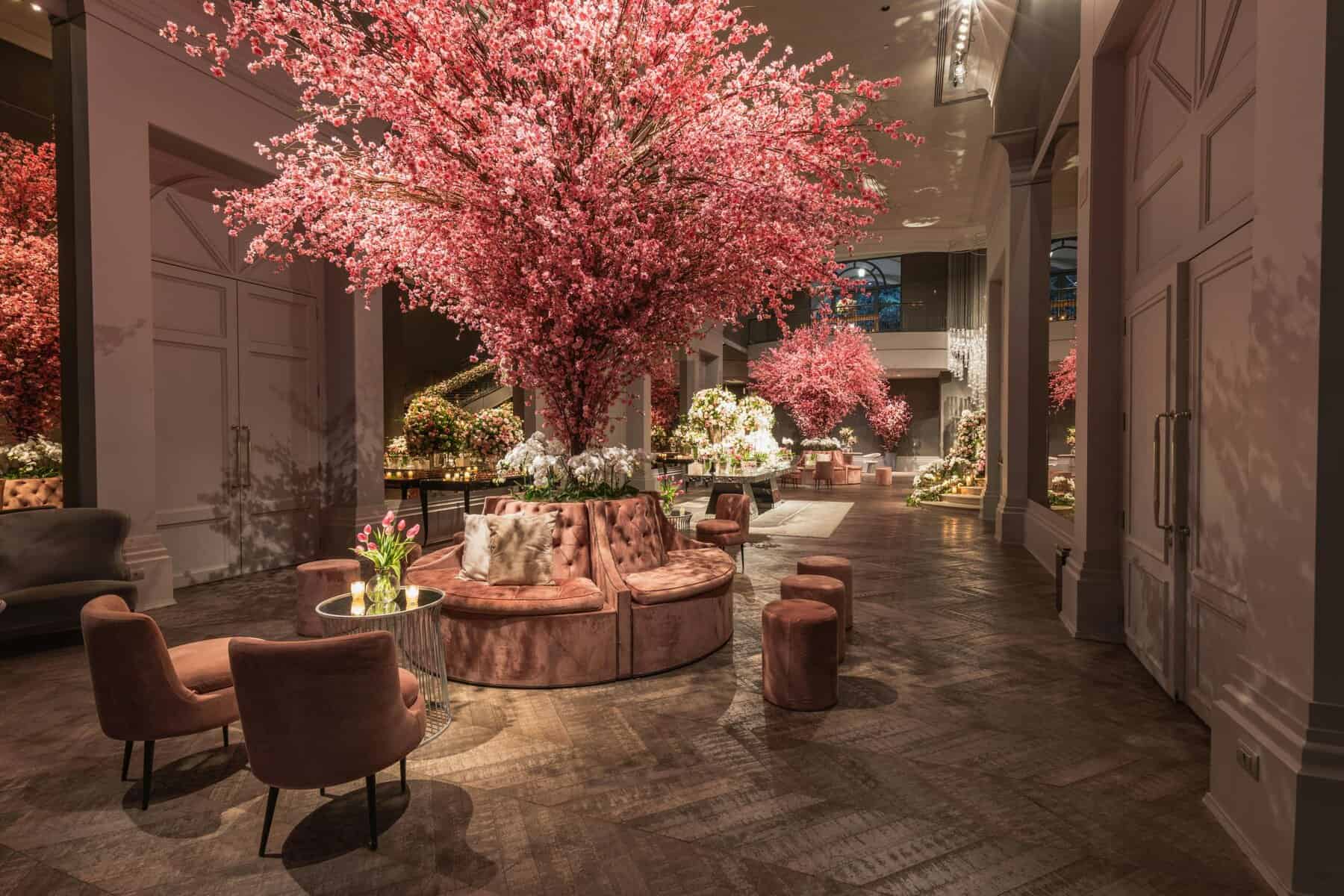
Boutique hotel design means nothing if the velvet armchair that photographs beautifully on opening day looks threadbare by month six. We have seen it happen more times than we care to count: a boutique property opens with stunning interiors, earns glowing press coverage, then watches its signature pieces degrade under the relentless demands of actual hospitality operations. The Instagram-worthy lobby becomes a maintenance headache. The curated guest room feels tired before its first anniversary.
Boutique hotel design presents a paradox that few other commercial interiors face. These properties compete on distinctive identity. Every surface, texture, and finish contributes to a narrative that guests cannot find at chain hotels down the street. Yet those same surfaces must survive cleaning protocols, luggage scrapes, spilled wine, and hundreds of different bodies cycling through each year. The materials that make a space feel special must also perform like workhorses.
We work with designers and developers navigating this tension constantly. The good news? Balancing signature aesthetics with commercial-grade durability is absolutely achievable. It simply requires understanding which materials deliver both, where to invest in permanence, and where to build in flexibility for future updates.
In this article, you’ll learn:
- Why material selection carries outsized importance in boutique hotel projects
- What “contract-grade” specifications actually mean and which standards matter most
- How to design for aesthetic longevity while planning for realistic renovation cycles
- Which material categories offer the best balance of beauty and performance
- How the trending “collected” aesthetic can actually support durability goals
- What operational realities housekeeping teams face and how to specify accordingly
- How specification strategies differ between single-property independents and scaling lifestyle brands
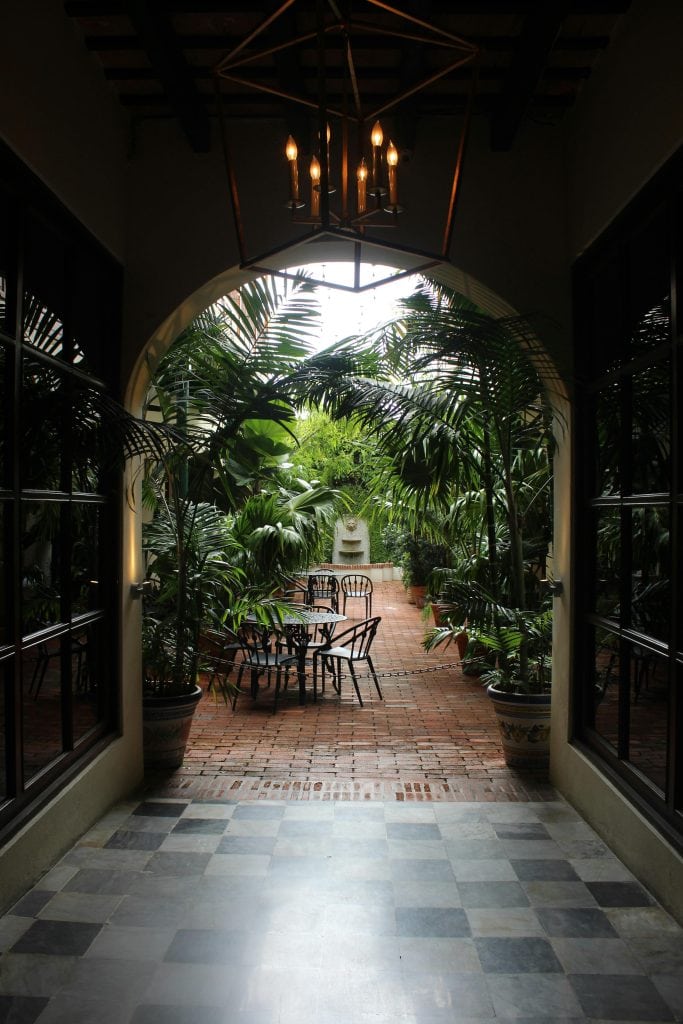
The Boutique Hotel Design Challenge—Identity Meets Intensity
Why Material Selection Carries More Weight in Boutique Properties
Chain hotels can rely on brand recognition and loyalty programs. Boutique properties must earn every booking through differentiation. That differentiation lives in the design details—the unexpected textures, the locally sourced accents, the color palettes that feel fresh rather than formulaic.
This reality elevates material selection from a technical decision to a brand-defining one. The reclaimed wood headboard does not just provide a surface for guests to lean against. It communicates authenticity. The handwoven textile on the lobby chair does not just offer seating. It signals craftsmanship. Every material choice reinforces or undermines the property’s identity.
According to CoStar’s 2026 Lifestyle & Boutique Hotel Performance Report, boutique hotels continue to outperform traditional brands because they deliver “uniquely crafted, experience-driven environments that resonate emotionally with guests—often through the specificity and intentionality of their material choices.”
That experience starts with materials guests can see, touch, and remember.
The Two Faces of Durability: Operational and Aesthetic
When we discuss durability with clients, we distinguish between two distinct challenges.
Operational durability addresses physical performance. Can this fabric withstand 30,000 double rubs? Will this finish survive daily cleaning with commercial disinfectants? How quickly will this carpet show traffic patterns? These questions have measurable answers rooted in testing standards and manufacturer specifications.
Aesthetic durability addresses visual and emotional longevity. Will this color palette feel dated in three years? Does this design trend have staying power, or will it scream “2024” by 2027? Can we update accent elements without gutting the entire space?
Successful boutique hotel design requires addressing both simultaneously. A material that performs flawlessly but looks tired within two years fails just as surely as one that photographs beautifully but falls apart under use.
Understanding Commercial-Grade Specifications
What “Contract-Grade” Actually Means
Contract-grade furniture and materials are specifically engineered for commercial environments where durability, safety, and performance are non-negotiable. As MityLite explains, these products undergo rigorous testing to verify they can handle heavy use, bear greater weight loads, meet fire codes, and withstand frequent cleaning.
Key characteristics of contract-grade materials include:
- Heavy-duty construction with reinforced frames, durable joints, and robust substrates
- High weight capacity tested to support loads exceeding residential standards
- Safety compliance including fire-retardant treatments meeting commercial codes
- Low-maintenance finishes designed for easy cleaning and frequent use
- Extended warranties typically five years for casegoods, reflecting manufacturer confidence
We cannot overstate this point: residential-grade materials have no place in hospitality environments. A chair rated for household use might see one or two people daily. That same chair in a hotel lobby might see fifty. The math simply does not work.
Key Standards Every Specifier Should Know
Several industry standards govern commercial furniture and material performance. Understanding these helps specifiers communicate requirements clearly and evaluate manufacturer claims.
AWI (Architectural Woodwork Institute) establishes quality grades for millwork and casegoods. Economy, Custom, and Premium grades define escalating levels of material quality, craftsmanship, and installation precision. Most boutique hotels specify Custom Grade, which provides design flexibility while meeting commercial durability requirements. Artone Manufacturing notes that Premium Grade is reserved for high-use and high-profile applications demanding the highest quality.
BIFMA (Business and Institutional Furniture Manufacturers Association) sets testing protocols for furniture strength, stability, and durability in North American commercial applications.
ACT (Association for Contract Textiles) standardizes fabric performance testing. Key metrics include abrasion resistance (Wyzenbeek double rubs), pilling resistance (1–5 scale), colorfastness to light, and dimensional stability after cleaning. The Hospitality Institute emphasizes that understanding these metrics helps specifiers make informed decisions rather than relying solely on aesthetic appeal.
Fire codes vary by jurisdiction but commonly reference NFPA 701 for flame-resistant textiles and California Technical Bulletin 117 for upholstered furniture. Compliance is mandatory, not optional.
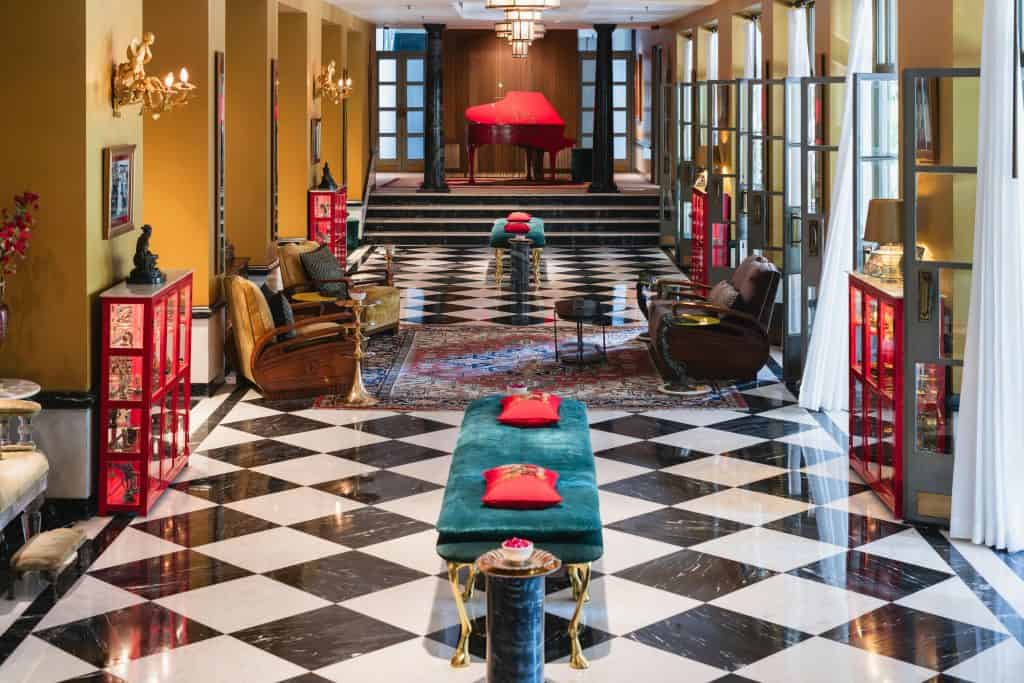
Why Residential Materials Fail in Hospitality Environments
We have watched well-intentioned designers specify beautiful residential pieces for boutique projects, only to see them fail within months. The reasons are straightforward.
Hotel furniture faces dramatically higher use intensity. A guest room might host 300 different occupants annually, each bringing different habits, spills, and usage patterns. Lobby furniture sees even more traffic. Residential pieces simply are not engineered for this volume.
Cleaning protocols differ fundamentally. Housekeeping teams use commercial-grade disinfectants and cleaning agents that can damage finishes not formulated to withstand them. Post-pandemic hygiene expectations have only intensified these demands.
Safety requirements add another layer. Commercial furniture must meet fire codes that residential pieces often do not address. Specifying non-compliant materials creates liability exposure that no operator should accept.
Designing for Aesthetic Longevity
Timeless Foundations vs. Trend-Driven Accents
The most durable boutique hotel designs separate permanent architectural elements from updateable decorative layers. This strategy extends renovation cycles while allowing properties to refresh their look without gutting entire spaces.
Timeless foundations include flooring, millwork, built-in casegoods, and core furniture frames. These elements should favor classic proportions, neutral base tones, and enduring materials. Think warm wood tones, natural stone, and quality textiles in versatile colors.
Trend-driven accents include artwork, throw pillows, decorative objects, and easily swapped soft goods. These elements can embrace bolder colors, current patterns, and moment-specific aesthetics because replacing them costs relatively little.
WATG’s Wimberly Interiors describes this approach as balancing “the challenge of preserving the essence that draws returning guests while introducing fresh elements to captivate new ones.” The permanent bones remain; the personality evolves.
Color Palettes That Age Gracefully
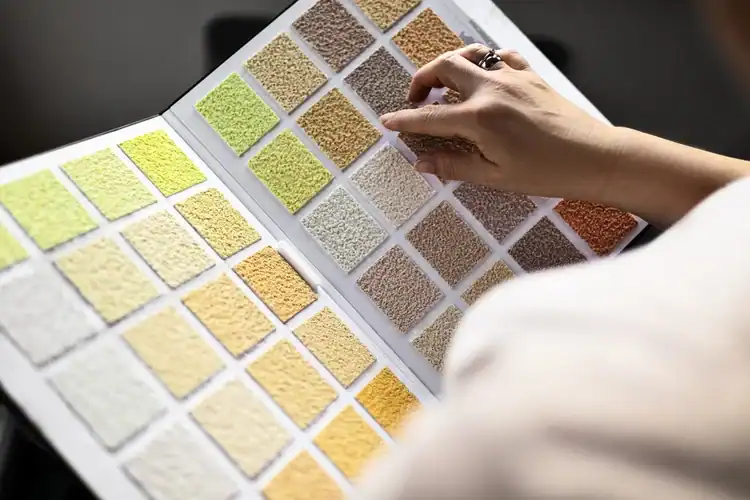
Color trends cycle faster than material trends. The “it” color of 2024 risks feeling dated by 2027. Smart specification strategies account for this reality.
Neutral foundations—warm beiges, soft taupes, rich browns, and grounded grays—provide versatile backdrops that support changing accent colors. Shaw Contract’s trend report notes that warm neutrals are replacing the cool grays and stark whites of the previous decade, creating “a cozy, timeless foundation that complements both modern and classic interiors.”
Jewel-toned accents—deep emeralds, sapphire blues, rich burgundies—add personality through easily updated elements like upholstery, artwork, and decorative accessories. When these colors cycle out of fashion, replacing a few accent chairs costs far less than replacing all the millwork.
The Renovation Cycle Reality: Planning for 8–10 Year Lifespans
Hospitality renovations typically occur every eight to ten years. This timeline should inform every material decision. As Floor Daily’s hospitality report notes, “designers favor durable, timeless materials that can survive multiple renovation cycles and avoid premature landfill disposal.”
Planning for this reality means:
- Selecting flooring that maintains appearance through the full cycle
- Specifying finishes that withstand thousands of cleaning cycles
- Choosing materials that can be spot-repaired rather than fully replaced
- Building flexibility into furniture layouts for future reconfiguration
Material Categories—Balancing Beauty and Performance
Wood and Wood-Look Surfaces (Including TFL)
Wood remains a cornerstone of boutique hotel design. Its warmth, natural variation, and timeless appeal align perfectly with the authentic, character-driven environments these properties seek to create.
Solid hardwoods deliver unmatched beauty but require careful finish specification for commercial environments. Conversion varnishes and catalyzed lacquers provide excellent resistance to moisture, chemicals, and abrasion. Oil finishes, while beautiful, demand more frequent maintenance than most housekeeping teams can provide.
Thermally fused laminate (TFL) and high-pressure laminate (HPL) surfaces have evolved dramatically. Modern options replicate wood grains with remarkable fidelity while delivering superior scratch resistance, moisture protection, and cleanability. These engineered surfaces excel for casegoods, millwork, and high-traffic horizontal surfaces where durability concerns override the tactile warmth of real wood.
We often recommend hybrid approaches: real wood veneers for visible vertical surfaces and guest-facing details, with TFL or HPL for tops, work surfaces, and areas prone to wear. This balances aesthetic richness with operational practicality.
Natural Stone and Engineered Alternatives
Natural stone brings drama and timelessness to boutique interiors. According to Hospitality Design’s 2026 Trend Report, bold-veined natural stones remain a defining material direction for the year, noted for the way they “add sculptural elegance and connect hospitality spaces to organic, grounding elements of nature.”
However, natural stone requires proper sealing and maintenance protocols. Porous varieties like marble demand more care than dense options like granite or quartzite. For high-traffic floors, industry interviews frequently highlight quartzite as “a very durable material” well-suited to demanding hospitality applications.
Engineered quartz and porcelain alternatives offer consistent appearance, lower maintenance requirements, and often better performance in wet areas. These materials lack the prestige of natural stone but deliver reliable service with minimal upkeep.
Upholstery Fabrics: Abrasion, Cleaning Codes, and Stain Protection
Fabric selection may be the most technically demanding specification decision in boutique hotel design. Beautiful textiles that cannot survive commercial use waste money and create ongoing maintenance headaches.
Key performance metrics to evaluate include:
- Abrasion resistance measured in Wyzenbeek double rubs; 30,000+ for heavy commercial use
- Pilling resistance rated 1–5, with higher scores indicating better performance
- Cleaning codes indicating appropriate cleaning methods (W for water-based, S for solvent-based, WS for either)
- Stain protection technologies like Crypton that allow cleaning with soap and water while maintaining protective properties
Beaufurn’s commercial furniture specifications note that contract-grade foam should meet CAL TB117-2013 standards, with 2.5 lb density per cubic foot and appropriate indentation load deflection ratings.
Performance fabrics have improved dramatically. High-quality vinyls and polyurethanes now offer soft hand feels and realistic textures while delivering excellent durability and easy cleaning. Solution-dyed olefins resist fading and bleaching. These options need not sacrifice aesthetics for performance.
Metals, Hardware, and Accent Finishes
Metal components add visual interest and structural integrity to boutique interiors. Finish selection significantly impacts both appearance and maintenance requirements.
Powder coating provides exceptional durability against chipping, scratching, fading, and corrosion. Available in virtually unlimited colors and textures, powder-coated metals suit high-traffic applications well.
Brushed and matte finishes hide fingerprints and minor scratches better than polished surfaces. For guest-facing elements like door hardware and furniture accents, these forgiving finishes reduce visible wear.
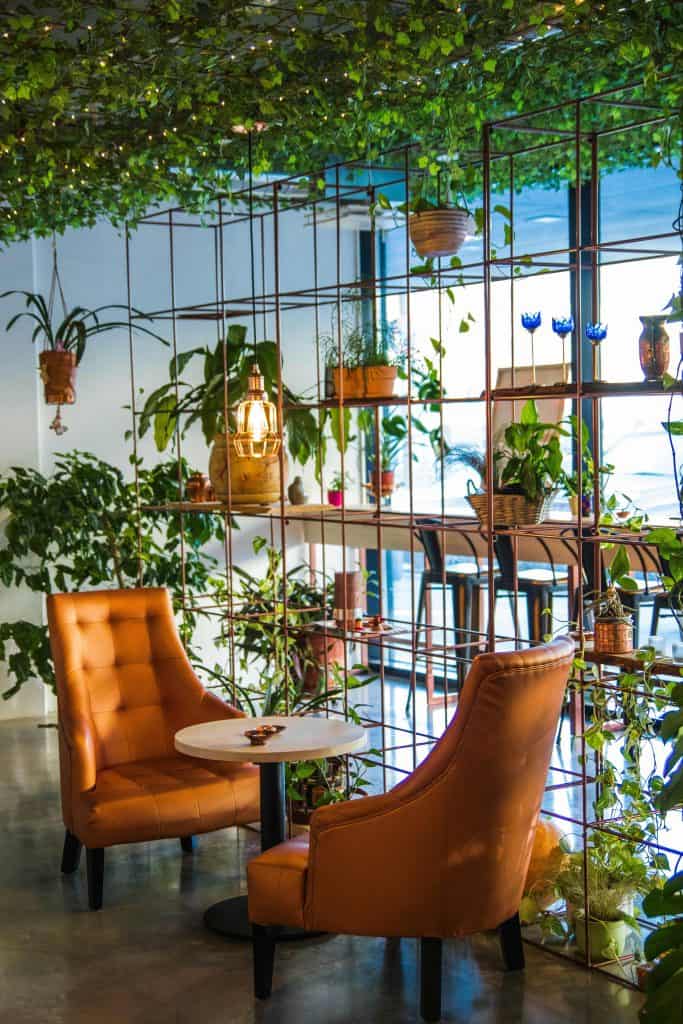
Mixing metal finishes—matte black with polished nickel, or brass with bronze—creates the layered, collected aesthetic trending in boutique design. Just ensure all specified finishes meet commercial durability standards.
The “Collected” Aesthetic as a Durability Strategy
Layering Replaceable Pieces Over Permanent Foundations
The curated, “collected” look dominating boutique hotel design actually supports durability goals when executed strategically. By layering easily updated accent pieces over durable architectural foundations, properties can refresh their appearance without major renovation.
Permanent elements—built-in millwork, quality flooring, well-constructed core furniture—provide the bones. Replaceable elements—accent chairs, decorative objects, artwork, soft goods—provide the personality. When trends shift or pieces wear, updating the accent layer costs a fraction of full renovation.
Mixing Vintage Character with Commercial Performance
Boutique hotels are increasingly layering vintage, antique, and handcrafted pieces into contemporary spaces to create environments that feel “authentic, character-rich, and intentionally collected.”
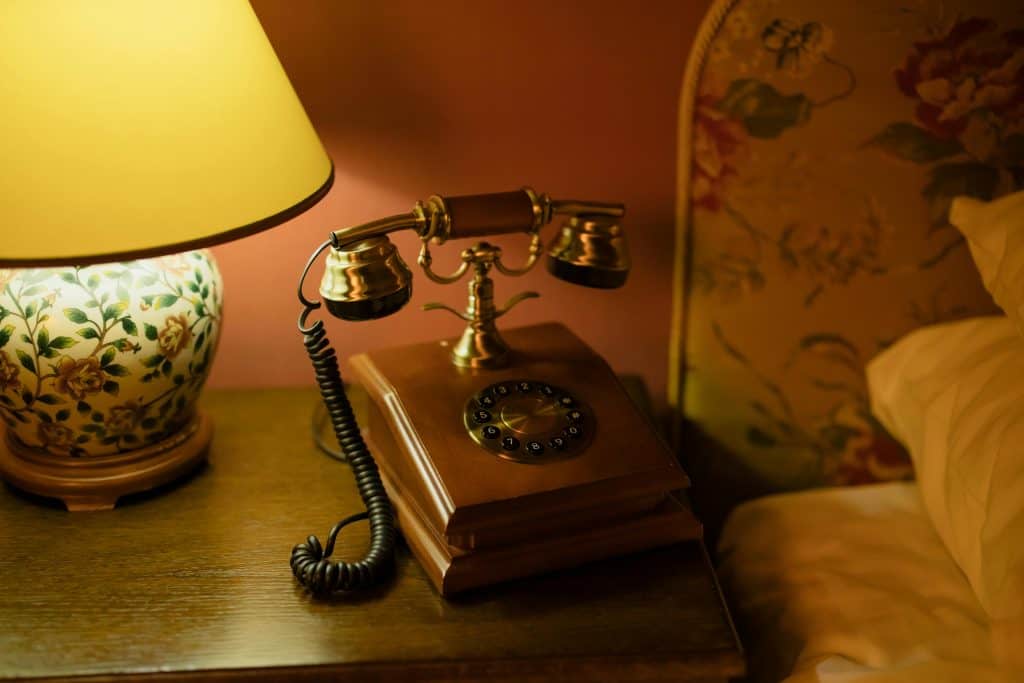
This approach requires careful specification. True antiques may lack the structural integrity needed for commercial hospitality use. Reproduction pieces built to contract-grade standards, however, can deliver the vintage character designers want while meeting performance requirements for durability and safety. Many manufacturers now specialize in producing hospitality-grade furniture with aged finishes, traditional joinery profiles, and period-appropriate silhouettes engineered specifically to withstand high-traffic environments.
Local Sourcing and Artisan Elements That Tell Stories
Locally sourced and artisan-made elements reinforce boutique identity while potentially supporting durability. Handcrafted furniture from regional workshops often uses traditional joinery techniques that outlast mass-produced alternatives. Locally quarried stone connects guests to place while providing the durability natural stone inherently offers.
The key is verifying that artisan pieces meet commercial performance requirements. A beautiful handmade chair means nothing if it cannot survive hospitality use.
Operational Durability—Cleaning, Maintenance, and Lifecycle
Specifying for Housekeeping Realities
Designers often overlook the practical demands housekeeping teams face daily. Specifying materials without considering cleaning protocols creates friction between design intent and operational reality.
As Floor Daily’s report notes, “cleanability remains a challenge as maintenance teams often use harsh chemicals regardless of manufacturer guidelines.” This reality means specifying finishes formulated to withstand common commercial cleaners, even if manufacturer guidelines recommend gentler products.
Removable and washable elements simplify maintenance. Upholstered pieces with removable cushion covers allow periodic deep cleaning or replacement. Slipcovers can extend furniture life while enabling seasonal aesthetic updates.
Finishes That Withstand Commercial Cleaning Protocols
Post-pandemic hygiene expectations have intensified cleaning frequency and chemical strength throughout hospitality. Surfaces must now withstand daily disinfection, not just occasional wiping.
Specify finishes explicitly rated for commercial cleaning chemical resistance. Request documentation from manufacturers confirming compatibility with EPA-registered disinfectants. Where possible, favor surfaces that can be cleaned with simple soap and water rather than requiring specialized products housekeeping teams may not consistently use.
Planning for Component Replacement vs. Full Renovation
Smart specification strategies distinguish between elements intended to last through multiple renovation cycles and those planned for periodic replacement.
Long-lifecycle elements include flooring, millwork, and core casegoods. Specify these for maximum durability and timeless aesthetics.
Medium-lifecycle elements include upholstered furniture and soft goods. Plan for reupholstering or replacement at the cycle midpoint, around years four to five.
Short-lifecycle elements include decorative accessories, artwork, and trend-driven accents. Budget for annual or biannual updates to keep spaces feeling fresh.
Scaling Considerations—Independents vs. Lifestyle Brands
Single-Property Flexibility
Independent boutique hotels enjoy specification flexibility that branded properties cannot match. Without brand standards dictating approved vendors and materials, independents can source unique pieces that reinforce distinctive identity.
This flexibility carries responsibility. Without established supply chains, independents must verify that specified materials meet commercial requirements independently. One-off custom pieces require more due diligence than proven contract-grade products.
Multi-Property Consistency and Supply Chain Realities
Lifestyle brands scaling across multiple properties face different challenges. Maintaining consistent aesthetics requires vendors capable of delivering identical materials across orders placed months or years apart.
Finish continuity becomes critical. As Beaufurn notes, their “High Point, NC, manufacturing facility ensures finish continuity across orders,” so properties opened years apart maintain visual consistency. Brands relying on smaller suppliers may struggle to match finishes over time.
Supply chain reliability affects renovation schedules and opening timelines. Established contract furniture manufacturers typically offer more predictable lead times and delivery performance than custom or artisan sources.
Practical Specification Checklist for Boutique Projects
When specifying materials for boutique hotel projects, verify each selection addresses these considerations:
- Commercial ratings confirmed: AWI grade, BIFMA testing, ACT performance metrics documented
- Fire code compliance verified: NFPA 701, CAL TB117, or local equivalent certifications provided
- Cleaning compatibility established: Manufacturer confirms compatibility with EPA-registered disinfectants
- Warranty terms acceptable: Five-year minimum for casegoods, appropriate coverage for upholstery
- Finish consistency available: Supplier can match finishes across orders for future replacements
- Replacement strategy defined: Clear plan for which elements update at midpoint vs. full cycle
- Aesthetic longevity assessed: Foundation materials favor timeless over trendy
- Maintenance requirements documented: Housekeeping team trained on proper care protocols
- Local code compliance confirmed: ADA, accessibility, and regional safety requirements addressed
FAQs
What makes furniture “contract-grade” for hotel use? Contract-grade furniture is engineered for commercial environments with reinforced construction, fire-retardant materials, higher weight capacities, and finishes that withstand frequent cleaning. These pieces undergo testing to standards like BIFMA and typically carry five-year warranties.
How long should boutique hotel interiors last before renovation? Most hospitality properties plan for renovation cycles of eight to ten years. Designing with this timeline in mind helps specifiers select materials that maintain appearance and performance throughout the full cycle.
Can natural materials meet commercial durability requirements? Yes, with proper specification. Natural wood requires commercial-grade finishes like conversion varnish. Natural stone needs appropriate sealing. Natural fabrics often require blending with synthetic fibers to meet abrasion standards.
How do I balance unique design with replacement availability? Specify custom aesthetics through updateable accent elements rather than core architectural features. Reserve one-of-a-kind pieces for decorative roles where replacement flexibility exists.
What fabric performance metrics matter most for hotel upholstery? Prioritize abrasion resistance (30,000+ Wyzenbeek double rubs for heavy commercial use), appropriate cleaning codes matching your housekeeping protocols, and stain protection technology for high-spill areas.