
Retail Spaces: Creating Instagram-Worthy Design with Statement Materials
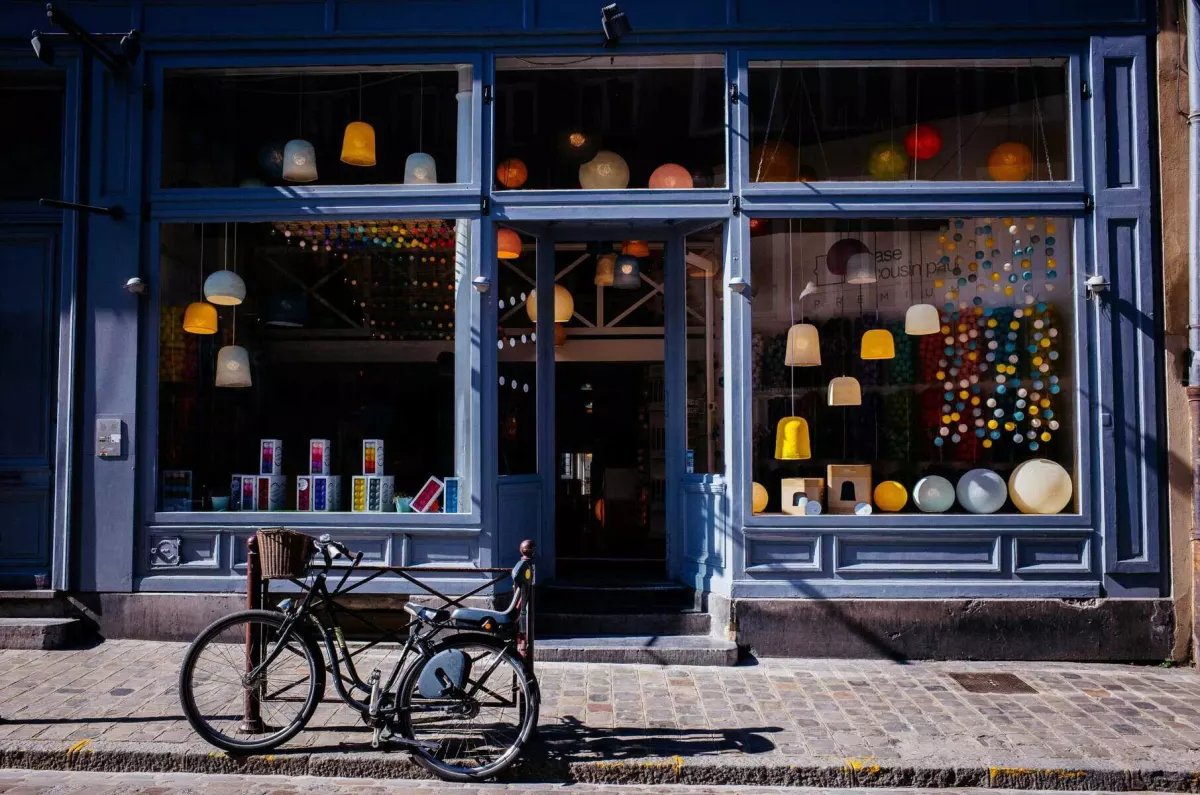
Retail spaces today double as content studios, where design decisions directly shape what customers photograph and share. A customer walks into your client’s boutique, stops mid-step, pulls out their phone, and snaps a photo. Thirty seconds later, that image is on Instagram with a geotag and a glowing caption. Congratulations—you just designed a marketing campaign that cost nothing and reached hundreds of potential customers.
We live in an era where retail spaces double as content studios. The question isn’t whether your designs will be photographed—they will be. The question is whether they’re worth photographing. And increasingly, the answer comes down to one thing: statement materials that stop the scroll.
The best Instagram-worthy retail spaces don’t achieve their magnetic quality through gimmicks or trendy paint colors alone. They leverage texture, contrast, and material authenticity in ways that translate beautifully through a camera lens while still delivering the durability commercial environments demand. It’s a design challenge that rewards those who understand both the visual language of social media and the practical realities of retail.
In this article, you’ll learn:
- Why photogenic retail design has become a business imperative in 2026
- The material characteristics that photograph exceptionally well
- How to create statement moments using texture, contrast, and scale
- Specific material recommendations for different retail aesthetics
- Practical strategies for balancing visual impact with commercial durability
- Common mistakes that undermine otherwise photogenic spaces
The Business Case for Photogenic Retail Design
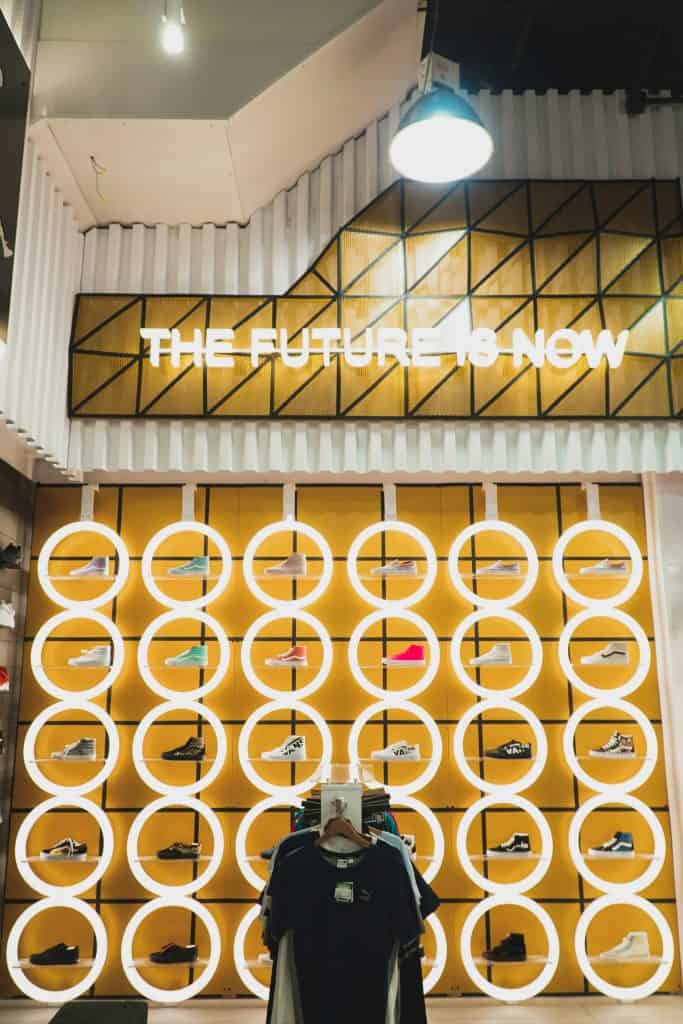
Let’s address the skeptics first: isn’t designing for Instagram just vanity metrics? The data suggests otherwise.
Every photograph a customer takes in your client’s space represents free advertising to their social network. When those images feature distinctive materials and memorable design elements, they do more than generate likes—they create location-tagged content that drives foot traffic. Research from NetChoice confirms that over 83% of retail sales still happen in person. The challenge is getting people through the door. Photogenic design solves that problem organically.
We’ve watched this dynamic transform how retailers think about their spaces. A well-designed statement wall or material moment doesn’t just enhance the customer experience—it becomes a perpetual marketing asset. Customers essentially volunteer to create and distribute branded content, tagging the location and exposing the brand to audiences the retailer couldn’t otherwise reach.
Industry analysis from Troy Ware Creative describes this shift perfectly: playful, photogenic design turns customers into storytellers, with every corner made to be shared. The Museum of Ice Cream pioneered this approach, building spaces designed as much for cameras as for customers. Retailers across categories have taken notice.
But here’s what separates sustainable success from short-lived trends: the materials themselves must justify repeated visits. A novelty wall might generate initial buzz, but spaces built on genuinely compelling materials create ongoing appeal. Customers return because the space feels good, looks interesting, and continues to photograph well from new angles.
What Makes Materials Photogenic?
Not all beautiful materials photograph well, and not all photogenic materials look impressive in person. The sweet spot—materials that deliver both—shares specific characteristics worth understanding.
Texture That Reads Through a Lens
Cameras flatten three-dimensional spaces into two-dimensional images. Materials with strong textural presence fight back against this flattening effect. Interior design experts note that texture creates visual interest by interacting with light in dynamic ways—exactly what smartphone cameras need to produce compelling images.
Consider the difference between a smooth painted wall and a limewashed finish. In person, both might read as “white wall.” In photographs, the limewash reveals depth, movement, and character that makes viewers pause mid-scroll. The texture catches light irregularly, creating subtle shadows and highlights that give the image dimension.
Materials with pronounced texture include:
- Fluted or ribbed panels (wood, laminate, or composite)
- Natural stone with visible veining or movement
- Textured laminates with embossed surfaces
- Reclaimed wood with weathered character
- Concrete with aggregate exposure or form-board impressions
- Woven materials and dimensional wall coverings
The key is choosing textures that remain visible at the scales social media typically operates—both the zoomed-out establishing shot and the close-up detail image.
Contrast That Creates Visual Hierarchy
Strong contrast gives photographs structure. Without it, images appear flat and uninteresting regardless of how beautiful the individual elements might be. Contrast can emerge from color (light against dark), finish (matte against gloss), material type (warm wood against cool metal), or texture (rough against smooth).
The most photogenic retail spaces layer multiple forms of contrast thoughtfully. A cash wrap might pair deeply veined marble with blackened steel framing and warm brass hardware—three materials creating relationships of color, temperature, and finish that the camera loves.
Retail design trends for 2026 emphasize bold geometry meeting softer edges—an approach that creates the visual tension photographs need. Think organic curved mirrors against linear wall panels, or soft rounded fixtures against architectural grid systems.

Scale That Commands Attention
Statement materials earn their name by making a statement. That typically requires scale—either in the material itself or in its application.
An accent tile might be beautiful, but a floor-to-ceiling installation of that same tile becomes a destination. A interesting wood species reads as “nice detail” on a small display; wrapped across an entire feature wall, it becomes the defining characteristic of the space.
This doesn’t mean everything needs to be enormous. Strategic use of large-scale material applications creates anchor moments that orient photographs and give customers natural focal points for their images.
Authenticity That Resonates
Perhaps counterintuitively, overly “perfect” materials often photograph poorly. They read as generic, manufactured, forgettable. Materials with character—visible grain variation, natural inconsistency, signs of craft—create the visual interest that makes images feel worth sharing.
Porter Retail Experience Agency identifies this as a defining trend for 2026: in a world saturated with AI-generated content and manufactured experiences, customers crave what feels real. Analog moments signal authenticity. That authenticity extends to material selection—customers intuitively recognize and respond to materials that feel honest rather than synthetic.
This doesn’t preclude high-performance manufactured materials. Modern laminates, for example, can deliver remarkably authentic wood, stone, and textile textures. The key is selecting options that embrace natural variation rather than homogenized perfection.
Statement Material Strategies by Aesthetic
Different retail environments call for different approaches to photogenic design. Here’s how to apply statement material thinking across common aesthetic directions.
Warm Minimalism
The dominant aesthetic of 2026 moves away from cold, sterile minimalism toward spaces that are clean and uncluttered but also inviting and grounded. Excal Design notes that this means soft-edged furniture, layered materials, and soft-glow lighting rather than harsh spotlights.
Key materials:
- Light oak or ash woodgrains with visible grain structure
- Limewash or microcement wall finishes
- Natural linens and warm textiles
- Matte ceramic or porcelain with organic coloring
- Travertine or limestone with filled and honed finishes
Statement opportunities:
- A full-height slatted wood feature wall in warm tones
- Curved plaster archways framing merchandise zones
- Large-format stone surfaces on cash wraps or display pedestals
- Woven pendant lighting creating shadow patterns
For durability, we recommend thermally fused laminate panels in warm woodgrain patterns for fixture construction. At KML Designer Finishes, we’ve seen designers achieve stunning warm minimalist aesthetics using TFL that delivers the visual warmth of natural wood with commercial-grade performance. The latest embossed textures are remarkably convincing in photographs.

Bold Maximalism
On the opposite end of the spectrum, some brands thrive on visual abundance—layers of pattern, color, and texture that create immersive, almost overwhelming environments. This approach particularly suits lifestyle brands, experiential retail, and spaces targeting younger demographics.
Key materials:
- High-contrast patterned tiles (geometric or botanical)
- Saturated colored glass or acrylic panels
- Metallic finishes in brass, copper, or rose gold
- Bold veined marbles (green, pink, or black varieties)
- Terrazzo with oversized aggregate
Statement opportunities:
- Patterned tile installations covering entire walls or floors
- Colored mirror panels creating kaleidoscopic effects
- Mixed-metal fixture systems combining multiple finish tones
- Dramatic stone slabs as backdrop to key merchandise
The challenge with maximalist spaces is ensuring durability matches the visual ambition. High-pressure laminate in bold patterns can deliver statement impact on vertical surfaces while withstanding the inevitable contact from customers and merchandise.
Industrial Refined
Industrial aesthetics remain relevant, but the raw-warehouse approach has evolved into something more sophisticated—celebrating honest materials and visible construction while achieving a polished, premium feel.
Key materials:
- Blackened steel with visible welds or hardware
- Raw concrete with intentional finish variations
- Weathered or reclaimed wood planking
- Perforated metal panels or expanded mesh
- Clear or tinted glass with steel frames
Statement opportunities:
- Exposed structural elements highlighted rather than hidden
- Custom steel fixture systems with visible joinery
- Concrete feature walls with form-board impressions
- Mixed material compositions showing deliberate contrast
This aesthetic naturally photographs well because it embraces the kind of texture and contrast cameras love. The key is elevating the execution—industrial doesn’t mean cheap or rough. Every material should feel intentional.
Natural Luxury
A growing segment of retail embraces biophilic principles and natural materials to create spaces that feel restorative and connected to nature. This approach suits wellness brands, sustainable retailers, and premium positioning.
Key materials:
- Live-edge wood slabs and figured veneers
- Natural stone in dramatic book-matched installations
- Preserved moss walls and vertical gardens
- Rattan, wicker, and woven natural fibers
- Cork, bamboo, and other sustainable options
Statement opportunities:
- Living or preserved plant walls as primary backdrops
- Monumental stone slabs as display surfaces
- Organic wood installations with sculptural qualities
- Natural material gradient progressions
Green walls have become particularly powerful for Instagram-worthy design. Design consultants note that preserved moss and living walls create irresistible selfie backdrops while signaling environmental values that resonate with contemporary consumers.
Creating Intentional “Photo Moments”
Beyond overall material selection, photogenic retail spaces include specific design moments intended to encourage photography. These aren’t afterthoughts—they’re strategic investments in organic marketing.
The Selfie Zone
Dedicated selfie areas have become standard in experience-driven retail. These zones typically feature:
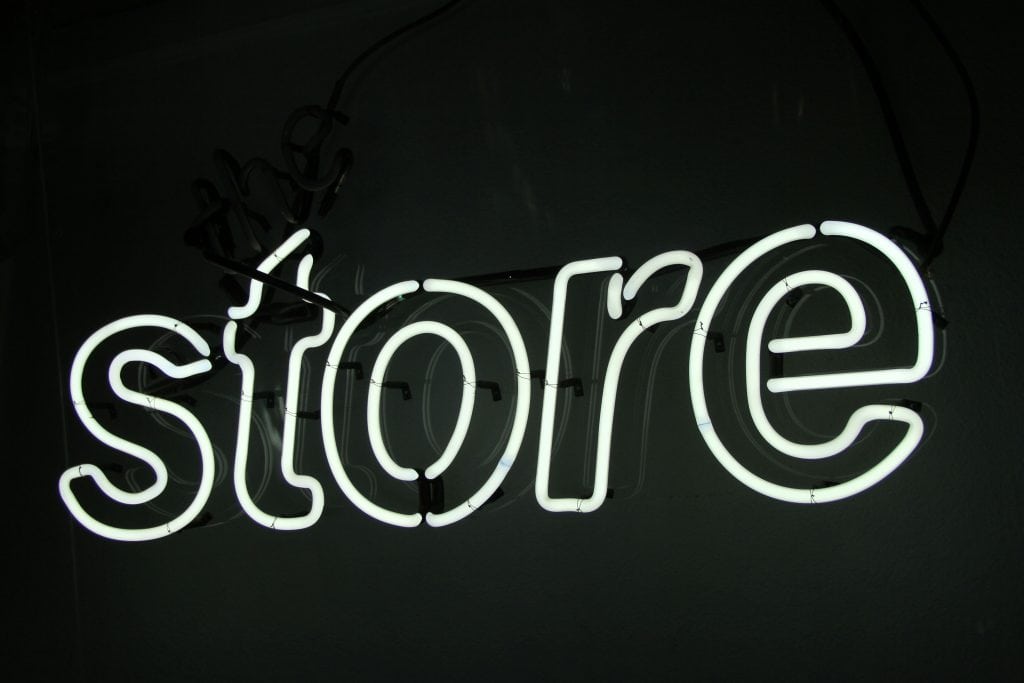
- A visually distinctive backdrop (statement wall, neon signage, or art installation)
- Flattering lighting that doesn’t create harsh shadows
- Sufficient space for positioning and multiple angles
- A clear sightline from the entrance to draw customers in
The most effective selfie zones integrate seamlessly with the overall design rather than reading as obvious marketing plays. A beautiful material wall that happens to photograph well feels authentic; a generic step-and-repeat banner does not.
Material Transitions
Thoughtful transitions between material zones create natural photo opportunities. Where a wood-clad wall meets a stone floor, where a metallic ceiling plane intersects a plastered wall, where fixture finishes change—these moments invite documentation.
Design these transitions with visibility in mind. They should be legible in photographs, which often means slightly exaggerating the contrast or scale compared to what you might do in a residential context.
Overhead Drama
Instagram’s square and portrait orientations mean vertical elements and ceiling treatments receive more visual weight than in traditional photography. Statement lighting, ceiling planes in distinctive materials, and suspended installations all create opportunities that less photo-conscious designs miss.
Consider how the space reads when photographed from below or at angles that include significant ceiling area. Coffered ceilings, exposed structure, dramatic pendants, and colored ceiling planes all leverage this opportunity.
Detail Destinations
Not every photo is wide-angle. Close-up detail shots of beautiful material intersections, hardware, and finish quality drive engagement because they feel intimate and specific. Design in moments that reward close inspection—interesting hardware, beautiful edge details, material joints that showcase craft.
These details also signal quality to customers who may not consciously notice them. The care visible in small moments communicates overall brand values.
Balancing Visual Impact with Commercial Reality
Here’s where many photogenic retail designs fail: they prioritize initial visual impact without considering the long-term reality of commercial use. A beautiful material that shows wear after three months becomes a liability rather than an asset.
Durability Doesn’t Mean Dull
The false assumption underlying many bland retail spaces is that durable materials can’t be visually interesting. Modern material technology has eliminated this tradeoff.
High-pressure laminate now comes in textures and patterns that rival natural materials in visual appeal while dramatically exceeding them in durability. Engineered stone delivers the drama of natural marble with greater consistency and stain resistance. Porcelain tile can convincingly replicate wood, concrete, and exotic stone while offering virtually indestructible performance.
The key is specifying performance-appropriate materials for each application. A statement wall that receives minimal contact can use more delicate materials than a checkout counter that sees constant use.
Cleanability Matters
Photogenic spaces must remain photogenic. Materials that stain, show fingerprints prominently, or develop wear patterns quickly undermine the design investment.
Consider maintenance requirements during specification:
- How will the material be cleaned daily?
- What cleaning agents are safe for the finish?
- Will the material show wear patterns from repeated contact?
- Can damaged sections be repaired or must entire surfaces be replaced?
Laminate surfaces excel here—they withstand aggressive cleaning protocols that would damage natural materials, making them ideal for high-touch applications where appearance must remain pristine.
Scalability for Multi-Location Rollouts
If a design will be replicated across multiple locations, material availability and consistency become critical. A stunning natural stone might be perfect for a single flagship but impossible to match across a fleet of stores.
Manufactured materials offer significant advantages for multi-location programs. Consistent color, texture, and availability ensure every location achieves the intended design effect. At KML, we regularly help designers identify TFL and HPL options that deliver statement material aesthetics with the consistency needed for scaled rollout.
Budget Reality
Statement materials command premium prices, but strategic application can achieve high impact within budget constraints. Rather than applying an expensive material comprehensively, concentrate it where it matters most:
- Primary photo backdrop locations
- Cash wrap and key customer touchpoints
- Feature walls visible from the entrance
- Signature fixture elements
Support these statement moments with coordinated but more economical materials elsewhere. A dramatic stone slab on the cash wrap can be supported by stone-look laminate on surrounding fixtures, maintaining visual cohesion while managing costs.
Common Mistakes That Undermine Photogenic Design
We’ve seen enough retail projects to know where designs typically fall short. Avoid these common pitfalls:
Trend Chasing Without Strategy
Following trends without understanding your brand leads to spaces that feel derivative rather than distinctive. The goal isn’t to replicate what’s popular on Instagram—it’s to create something authentically aligned with the brand that happens to photograph well.
Ignoring Lighting Quality
Materials can only photograph as well as the light illuminating them allows. Harsh overhead fluorescents flatten textures and wash out colors. Warm, layered lighting brings materials to life. Retail design experts emphasize that lighting is no longer a technical afterthought—it’s a defining brand tool.
Over-Designing Every Surface
When everything is a statement, nothing is a statement. Effective photogenic design requires restraint—quiet moments that let feature materials breathe. Visual hierarchy depends on having both focal points and supporting elements.
Forgetting the Merchandise
Retail spaces exist to sell products. Materials that compete with merchandise rather than enhance it undermine the core purpose. The most effective statement materials create beautiful backdrops that make products look better, not environments so visually busy that merchandise disappears.
Specifying Without Testing
Always obtain physical samples of statement materials before specifying. Photographs of materials—ironically—can be misleading. Colors shift, textures don’t translate, and finishes surprise. Hold samples under the actual lighting conditions and photograph them with the same devices customers will use.
Putting It Together: A Material Selection Framework
When approaching a photogenic retail design project, work through these considerations:
Brand Alignment
- What emotional response should the space evoke?
- What materials authentically express the brand’s values?
- How will material choices differentiate from competitors?
Photography Potential
- Does the primary material palette include strong texture?
- Is there sufficient contrast between major elements?
- Are there natural focal points that invite photography?
- How will the space read at different scales and angles?
Durability Requirements
- What traffic levels will each zone experience?
- What cleaning protocols will be used?
- How long must materials maintain appearance?
- Can worn sections be repaired or replaced easily?
Budget and Scale
- Where should statement investment concentrate?
- What supporting materials can achieve visual cohesion economically?
- If multi-location, are materials consistently available?

FAQs
What’s the most photogenic material for retail feature walls?
Fluted or ribbed panels in wood tones consistently photograph well, creating strong shadow lines that add dimension to images. For maximum durability, specify textured laminate panels with embossed surfaces that catch light similarly to natural wood.
How do I create an Instagram-worthy space on a limited budget?
Concentrate statement materials at key photo opportunity zones—typically the primary feature wall and cash wrap area. Use coordinated but economical materials elsewhere. One dramatic stone slab makes more impact than mediocre materials everywhere.
Do natural materials always photograph better than manufactured alternatives?
Not necessarily. The best photographs come from materials with visible texture, authentic character, and strong contrast. Modern TFL and HPL can deliver these qualities while offering superior durability and consistency. The key is selecting options with convincing texture rather than flat, uniform surfaces.
How important is lighting for photogenic retail design?
Critical. Even the most beautiful materials will photograph poorly under harsh, flat lighting. Invest in layered lighting that creates depth and highlights material textures. Warm color temperatures generally photograph more appealingly than cool alternatives.
What materials should I avoid for high-traffic photogenic retail spaces?
Avoid materials that show fingerprints prominently (high-gloss dark surfaces), stain easily (porous natural stones without proper sealing), or develop obvious wear patterns (soft natural woods in high-contact zones). Also avoid materials that look dramatically different in photos than in person—what matters is consistent appeal.