
Case Study: Multi-Unit Retail Rollout with Consistent Finishes
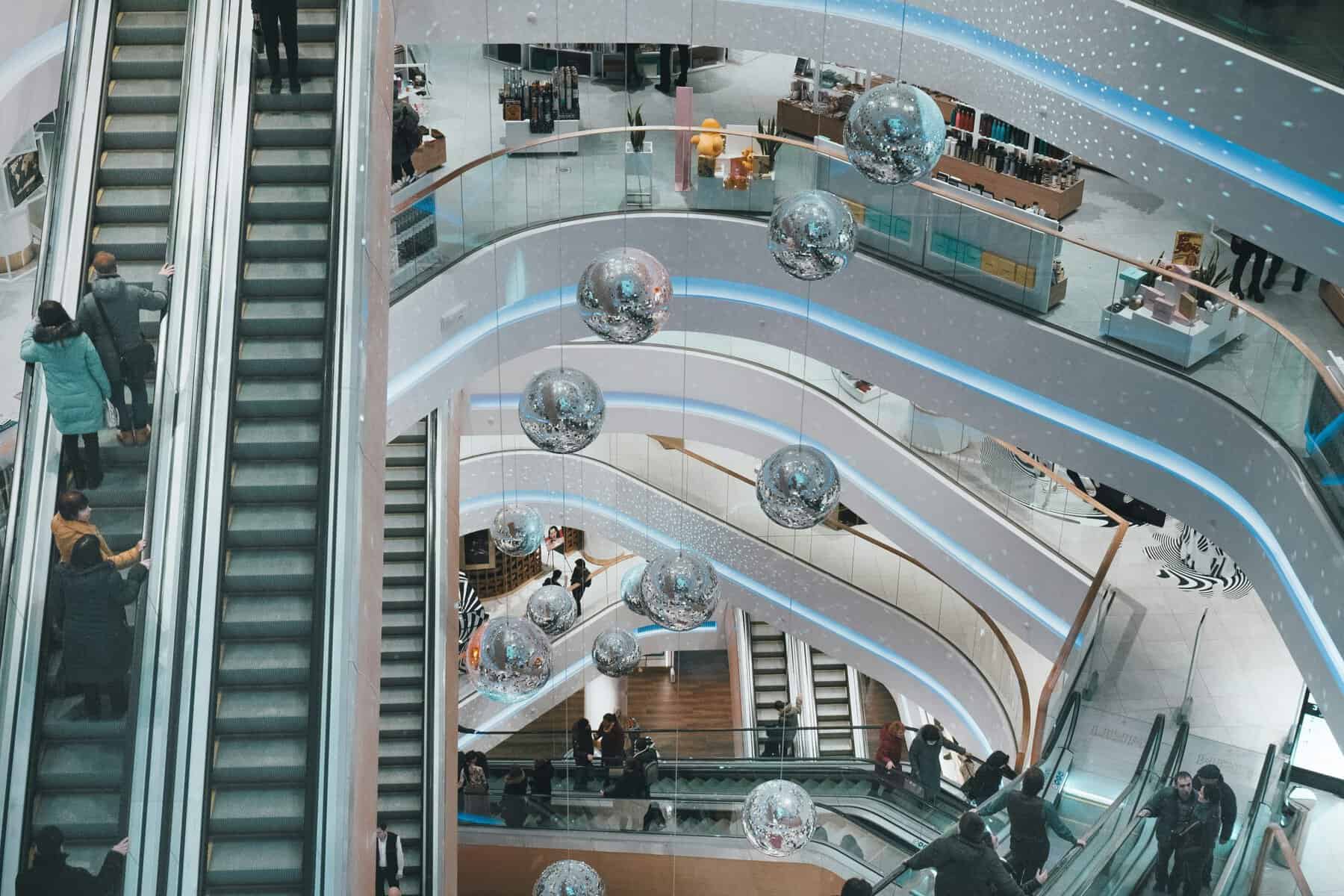
Retail rollout programs succeed or fail based on one critical factor: consistency. When Dollar General opens 800 stores in a single year and Five Below adds 227 new locations, the difference between success and chaos comes down to one thing: can you deliver the same brand experience in store number 1 and store number 800? We’ve worked with retailers who learned this lesson the hard way. Their first ten stores looked fantastic. By store fifty, finishes varied wildly. By store one hundred, the brand had fractured into regional interpretations that confused customers and frustrated corporate teams.
Multi-unit rollouts demand a fundamentally different approach to material specification. You’re not designing a single space. You’re engineering a system that must replicate flawlessly across dozens or hundreds of locations, through multiple fabricators, across varying timelines, and often spanning years of execution. The materials you specify become the backbone of that system — or its breaking point.
In this article, you’ll learn:
- Why multi-unit rollouts fail when treated as individual projects rather than unified programs
- How three retailers achieved consistent finishes across 260 combined locations
- Which material specification strategies enable both brand consistency and cost control
- Where TFL delivers the availability, consistency, and design flexibility rollout programs require
- A comprehensive checklist for specifying surfaces in multi-unit retail environments
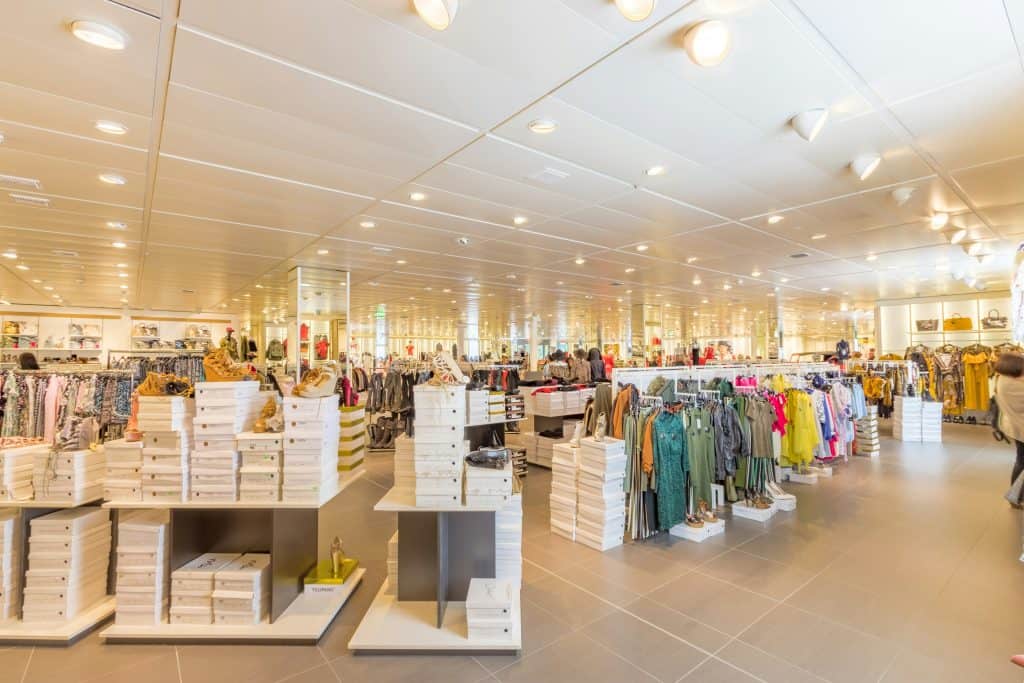
The Retail Rollout Imperative — Why Consistency Defines Success
Retail’s Expansion Moment
Despite headlines about store closures, physical retail is expanding aggressively. Major chains collectively opened more than 5,600 U.S. stores in 2023, adding roughly 90 million square feet of new retail space. The momentum continues. A net 851 new brick-and-mortar locations opened in 2024, representing a 19.2% increase over 2023.
The expansion spans every segment. Dollar General committed to 800 new stores. Five Below opened 227 net new locations and targets 3,500 total stores by 2030. Ross Dress for Less opened 89 locations. Burlington added 100 stores. Even Barnes & Noble opened 57 new bookstores in a stunning reversal after years of contraction.
Each of these openings represents a brand promise that must feel identical whether a customer walks in during week one or year five. That promise lives in the finishes, fixtures, and materials that define the physical environment.
The Consistency Challenge
We often tell clients that stores are like snowflakes. Every location has different dimensions, ceiling heights, column placements, and existing conditions. Some spaces are white-box ready. Others require extensive demolition. Some face the street. Others sit in interior mall corridors.
Yet while the snowflakes differ, the brand experience cannot. As retail rollout specialists note, your brand is your promise to your customers. That promise should feel the same whether they walk into your store in Miami or Seattle. Creating this consistent experience across an entire network of locations is a massive operational challenge — but it’s also the entire point.
The challenge compounds when you consider timelines. A national rollout might span 18 months or longer. Materials specified in month one must remain available in month eighteen. Colors must match across production runs separated by a year. Fabricators in different regions must produce identical results from identical specifications.
The Cost of Getting It Wrong
Fragmentation is one of the most common causes of rollout failure. When retailers treat a rollout as a collection of individual projects rather than a unified program, problems multiply. Each store becomes a one-off effort. Local contractors make substitutions. Regional variations creep in. Quality control becomes impossible to maintain.
The financial impact is significant. Construction costs have risen 20.1% from 2021 to 2024, while retail sales grew only 14.6% over the same period. This margin squeeze means every specification decision carries weight. Mistakes at scale become expensive fast. A material substitution that adds $2,000 to one store adds $200,000 across a 100-store program.
We’ve seen rollouts derail when seemingly minor decisions compound. A fabricator can’t source the specified laminate, so they substitute a close match. The next fabricator uses a different close match. By the tenth store, the brand has three different versions of what should be one finish. Fixing this mid-program costs far more than getting it right from the start.

Understanding Multi-Unit Rollout Dynamics
Program Thinking vs. Project Thinking
A successful multi-site rollout is not defined by speed alone. It is defined by consistency, predictability, and the ability to deliver the same outcome across every location. This requires what we call program thinking — treating the entire rollout as a single engineered system rather than a series of independent projects.
Program thinking means establishing standards before breaking ground on the first store. It means qualifying materials, fabricators, and installation teams against documented criteria. It means creating specification packages that leave no room for interpretation. And it means building quality control checkpoints into every phase.
The difference shows up in outcomes. Programs with centralized planning and disciplined controls deliver consistent results. Programs that let each store team make independent decisions deliver inconsistent results. There’s no middle ground.
The Critical Path: Materials, Millwork, and Timeline
Timeline pressure defines retail construction. Lease commencement dates don’t move. Holiday shopping seasons don’t wait. Grand opening marketing campaigns are scheduled months in advance.
Small retail stores typically take 4-6 months to complete, while standalone retail buildings generally require 6-12 months. Within these windows, material lead times can make or break a schedule. Many retail-specific elements like signage, lighting, and millwork require long manufacturing timelines. Waiting to order these items can stall an entire project.
We recommend identifying critical-path materials during preconstruction. Millwork and casework often carry the longest lead times. Custom fixtures can require 12 weeks or more. Specialty finishes may have minimum order quantities that affect timing. Understanding these constraints early allows realistic scheduling and prevents the last-minute scrambles that compromise quality.
Budget Realities
Retail construction budgets face pressure from every direction. Carpentry, doors, storefronts, and windows command roughly 17% of total project costs, averaging $21.58 per square foot. This category includes interior framing, custom millwork, and all the finish elements that define brand experience.
We always recommend contingency reserves of 10-15% for multi-unit programs. Complex millwork or custom lighting systems warrant additional reserves because coordination requirements increase throughout installation. What seems straightforward in the specification often proves complex in the field.
Value engineering becomes essential in this environment. The goal isn’t to cut costs indiscriminately. It’s to achieve design intent at the best possible price point. This requires understanding which materials deliver premium aesthetics at reasonable costs — and which carry premium price tags without corresponding value.
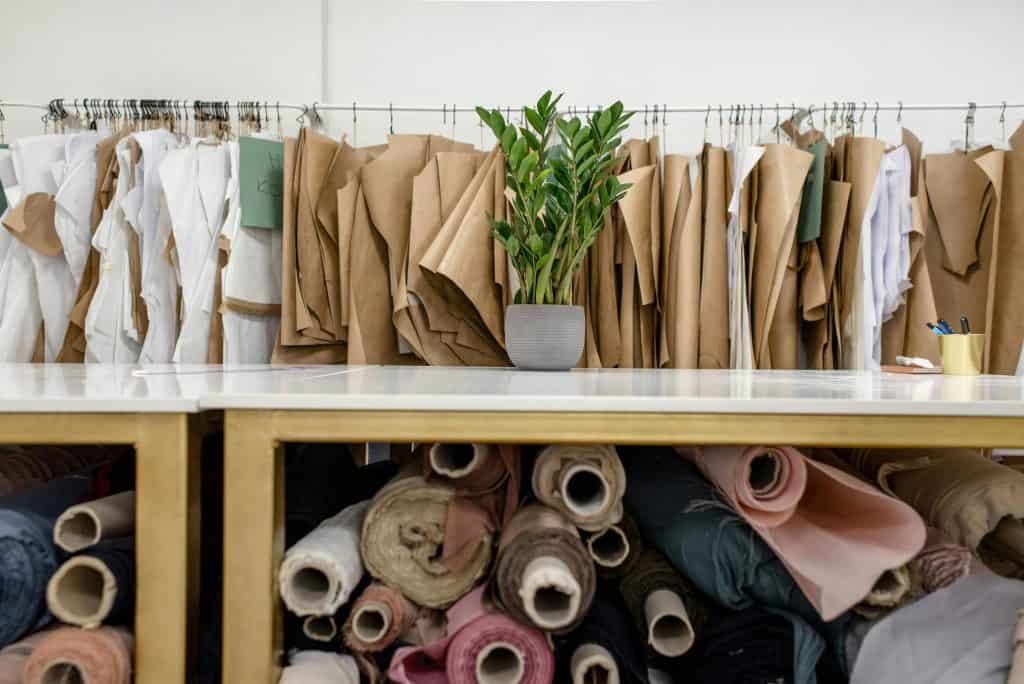
Material Specification as a Strategic Decision
The Supply Chain Factor
Material availability has become a strategic concern for multi-unit programs. Nearly 34% of laminate manufacturers report supply chain disruptions affecting resin and kraft paper procurement. Around 28% variation in input material availability impacts production planning efficiency across the industry.
These disruptions ripple through rollout programs. A specified finish becomes unavailable mid-program. A color match that worked in prototype shifts in production. Lead times that started at six weeks extend to twelve. Each disruption forces decisions: delay the schedule, substitute materials, or split the program across multiple finish options.
We’ve learned to treat material availability as a specification criterion equal to aesthetics and durability. The most beautiful finish in the catalog is worthless if you can’t get it consistently across an 18-month program.
Designing for Production and Scalability
The best retail rollout designs are both beautiful and practical. Use materials that are durable, affordable, and easy to reproduce. Think about modularity for display systems that need to adapt to different store footprints.
This principle guides every specification decision. We limit finish palettes to optimize availability. We select materials with deep inventory positions and reliable production schedules. We specify standard dimensions where possible to reduce custom fabrication. We design components that can be produced by multiple fabricators without variation.
More than 58% of retailers adopted modular and reconfigurable fixtures in 2023. This trend reflects hard-won operational wisdom. Modular systems enable brand consistency while allowing for local merchandising adjustments. They simplify installation. They reduce lead times. And they provide flexibility for future updates without wholesale replacement.
Balancing Design Intent and Field Reality
Every specification must survive contact with reality. That stunning millwork detail must be buildable by fabricators in multiple regions. That perfect color must remain consistent across production runs. That seamless installation must be achievable by crews with varying skill levels.
We prototype extensively before committing to full rollout. Prototype stores reveal issues that drawings cannot. Installation challenges emerge. Material interactions become apparent. Maintenance realities surface. The investment in prototyping pays dividends across the entire program.
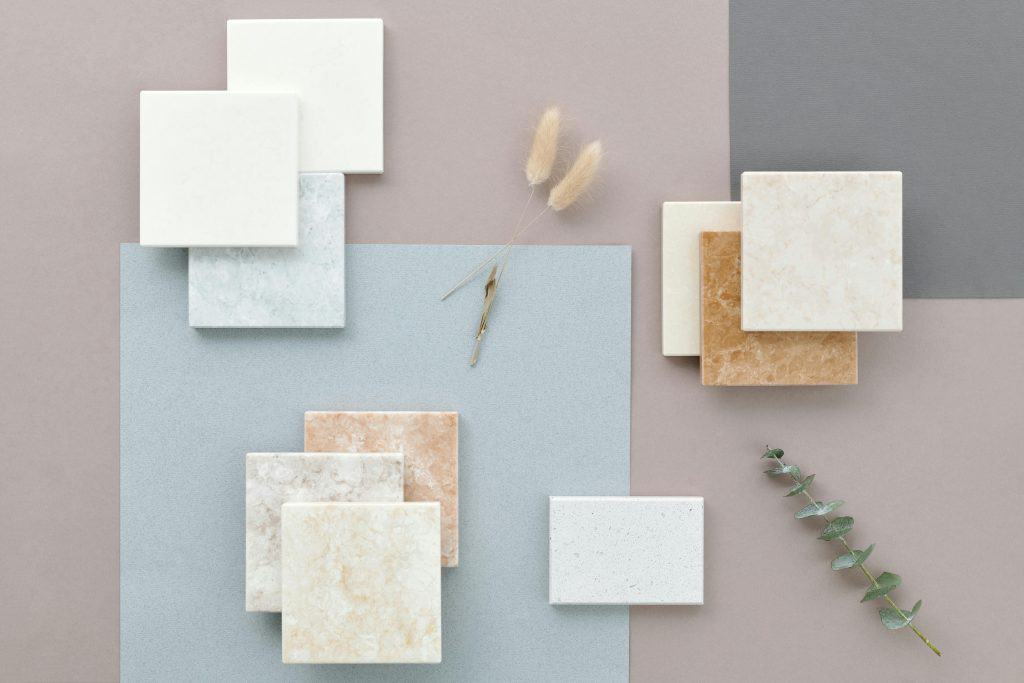
Case Study #1 — National Quick-Service Restaurant Rebrand
The Challenge
A regional quick-service restaurant chain had grown to 180 locations across twelve states. After two decades of organic growth, the brand looked fragmented. Early stores featured dark wood tones. Mid-period locations used lighter finishes. Recent openings experimented with industrial aesthetics. Customers in different markets experienced different brands.
Leadership committed to a comprehensive rebrand. Every location would receive new millwork, fixtures, and finishes reflecting a unified brand identity. The timeline: 18 months. The constraint: stores could close for renovation no longer than ten days. The budget: aggressive targets that required creative solutions.
The existing approach — custom millwork fabricated locally for each store — couldn’t scale. Lead times varied wildly. Quality ranged from excellent to unacceptable. Costs exceeded projections on nearly every project. Something had to change.
The Solution
We developed a standardized millwork package built around five core TFL finishes. These finishes — two wood grains, two solid colors, and one textured accent — could combine in different proportions while maintaining brand coherence. Every location would use the same palette. Regional variations would express through proportion and placement, not material substitution.
The casework system used modular components designed for four distinct footprint templates. Corner locations, inline mall spaces, freestanding buildings, and food court kiosks each had dedicated component libraries. Fabricators received detailed cut lists and assembly drawings for each template. Field modifications were prohibited without corporate approval.
KML Designer Finishes’ TFL panels provided the consistency the program required. The 800+ color options allowed precise matching to brand standards. Deep inventory positions ensured availability across the 18-month timeline. Coordinated edgebanding eliminated the color-match issues that plagued previous programs.
We established a regional fabricator network with three qualified shops covering different geographic zones. Each fabricator received identical material specifications and sourced from the same supplier. Monthly quality audits verified consistency. Any deviation triggered immediate corrective action.
The Results
The program delivered 176 renovated locations over 17 months, finishing ahead of schedule. Only four locations missed their target dates, all due to landlord-related delays rather than material or fabrication issues.
On-time completion reached 97%. Millwork costs dropped 22% compared to the previous store-by-store approach. Average renovation timeline held at four weeks per store, with the ten-day closure target achieved consistently. Most importantly, guests reported a unified brand experience across all markets. Mystery shopper scores improved. Social media sentiment tracked positively. The rebrand achieved its strategic objectives.
Case Study #2 — Specialty Retail Fashion Brand Expansion
The Challenge
A fast-fashion retailer planned aggressive expansion: 35 new stores in 12 months. The brand positioned itself as affordable luxury, demanding premium aesthetics that typically required premium budgets. But lease terms in target markets left thin margins for buildout.
Previous stores used solid wood fixtures and millwork. The look was beautiful. The cost was prohibitive. Lead times stretched to 12 weeks or longer. And quality varied — some fabricators delivered exceptional work while others fell short.
The design team resisted any suggestion of downgrading materials. They had built the brand’s reputation on visual sophistication. But the math didn’t work. Something had to give without sacrificing what made the stores special.
The Solution
We proposed replacing solid wood with TFL in synchronized wood-grain finishes. The visual impact would remain. The cost structure would transform.
Modern TFL technology delivers remarkably authentic wood aesthetics. Synchronized textures align visual grain with tactile texture, creating surfaces that look and feel like natural wood. KML’s TFL panels offered multiple oak, walnut, and ash patterns that matched the brand’s aesthetic direction.
Fixtures, fitting room millwork, and service counters all converted to TFL construction. We specified HPL for horizontal surfaces in high-traffic areas — checkout counters, folding tables, and display platforms — where impact resistance mattered most. The coordinated finishes from a single manufacturer ensured perfect matching across applications.
The specification package went to five fabricators for competitive bidding. All five could source identical materials. All five understood the quality standards. Price competition benefited the budget without compromising consistency.
The Results
Material costs dropped 40% compared to the solid wood specification. This savings funded additional visual merchandising elements that enhanced the guest experience beyond the original design intent.
Lead times compressed from 12+ weeks to six weeks. The accelerated timeline allowed faster store openings, generating revenue sooner and improving program economics.
Across all 35 locations, zero color-match rejections occurred. Every store opened with identical finishes. The design team — initially skeptical of laminate — became advocates for the approach. The stores looked beautiful. The brand maintained its premium positioning. And the budget worked.
Case Study #3 — Regional Bank Branch Modernization
The Challenge
A regional bank with 45 branches needed modernization. Many locations dated from the 1990s with dark wood paneling, brass fixtures, and dated aesthetics that felt disconnected from the bank’s digital-forward positioning. Customer feedback consistently cited the physical environment as inconsistent with brand expectations.
The complexity multiplied because branches couldn’t close during renovation. Customers needed continuous access to services. Teller lines had to remain operational. Vaults, ATMs, and safe deposit areas required special handling. ADA compliance added another layer of requirements.
The 24-month timeline demanded efficient execution. The budget required value engineering without appearing cheap. The outcome needed to project stability, professionalism, and contemporary sophistication.
The Solution
We designed a phased construction approach that kept branches operational throughout renovation. Pre-fabricated TFL transaction counters and consultation pods arrived ready for installation. Overnight and weekend work minimized customer disruption. Each branch moved through three phases: back-of-house renovation, teller line replacement, and customer area refresh.
The finish palette used four TFL colors coordinated across all applications. Teller counters, office furniture panels, customer service desks, and accent walls all drew from the same specification. KML’s TFL panels provided moisture-resistant cores for break room and restroom applications where humidity exposure required additional durability.
Transaction counters arrived as complete assemblies requiring only final connection and leveling. This approach eliminated field fabrication variables. Every counter looked identical because every counter was fabricated to identical specifications in controlled conditions.
We qualified three regional fabricators and assigned geographic territories to each. Monthly coordination calls maintained alignment. Quarterly quality reviews verified consistency. Any issues triggered immediate response protocols.
The Results
Average per-branch construction timeline held at three weeks despite the phased approach and operational constraints. The program finished 15% under budget across all 45 locations, freeing funds for technology upgrades that enhanced the customer experience further.
Customer feedback tracked positively throughout the program. Mystery shopper scores improved. Staff satisfaction increased — the modern environment made daily work more pleasant. Branch managers reported that customers commented favorably on the refreshed spaces.
The consistent brand presentation across all branches reinforced the bank’s market positioning. What had been a fragmented collection of dated spaces became a unified network of contemporary branches.
The Material Consistency Framework
Establishing a Finish Palette
Successful rollouts limit finish selections to optimize availability and consistency. We typically recommend palettes of four to six core finishes that can combine in various proportions to create visual interest while maintaining brand coherence.
The palette should coordinate across material types. TFL for casework and millwork. HPL for horizontal work surfaces. Matching edgebanding for clean transitions. Complementary solid surfaces for high-impact areas. When all these elements come from coordinated product lines, color matching becomes reliable rather than risky.
We document finish palettes in specification packages that leave no room for interpretation. Color codes, product numbers, finish designations, and approved suppliers all appear in writing. Substitutions require written approval. This documentation becomes the reference point for every fabricator, installer, and quality control reviewer.
Regional Fabricator Networks
Multi-unit programs rarely rely on a single fabricator. Geographic coverage, capacity constraints, and risk mitigation all favor distributed fabrication. The challenge is maintaining consistency across multiple shops.
We address this through centralized material sourcing with distributed fabrication. All fabricators source from the same supplier using identical product specifications. This eliminates material variation. What remains is execution variation, which quality control protocols address.
Each fabricator receives identical documentation: shop drawings, cut lists, assembly instructions, and finish standards. Sample panels establish the quality baseline. Any deviation triggers rejection and rework. The standards are absolute.
Prototyping and Pilot Stores
We never recommend full rollout commitment without prototype testing. Pilot stores reveal issues that specifications cannot predict. Material interactions become visible. Installation challenges emerge. Maintenance realities surface.
Prototype phases typically cover two to three stores in varied conditions. We test different footprint types. We engage different fabricators. We document everything — what works, what fails, what needs refinement.
The investment in prototyping typically returns multiples in avoided problems during full rollout. Issues caught in prototype cost thousands to resolve. Issues caught at store fifty cost hundreds of thousands.
Design Trends Shaping Retail Rollouts
Modular and Reconfigurable Systems
Retail environments change constantly. Merchandise assortments shift seasonally. Brand campaigns require new visual expressions. Store layouts evolve with consumer behavior.
For retailers with multiple locations, a modular system ensures brand consistency while allowing for local merchandising adjustments. Fixtures with interchangeable components adapt without replacement. Wall systems accept different graphic panels. Display platforms reconfigure for different product categories.
This flexibility requires thoughtful specification. Materials must accept repeated reconfiguration without showing wear. Connection systems must remain tight through multiple assembly cycles. Finishes must resist the handling inherent in frequent changes.
Sustainability and Material Transparency
Eco-conscious consumers increasingly notice and value sustainable practices. Green building compliance influences 31% of procurement decisions in commercial interiors. Retailers respond with material choices that demonstrate environmental responsibility.
We specify materials with documented sustainability credentials whenever possible. Low-VOC emissions, CARB Phase 2 compliance, GREENGUARD certification, and recycled content all factor into recommendations. These attributes align with both consumer expectations and corporate sustainability commitments.
Tactile and Sensorial Experiences
Texture plays a crucial role in creating depth, visual interest, and sensory experiences within a space. Retail environments increasingly leverage texture as a brand differentiator. Synchronized wood grains, matte finishes, and tactile surfaces create multi-sensory experiences that digital retail cannot replicate.
Material specification supports this trend through careful attention to surface texture alongside color and pattern. The visual and the tactile must align. Modern TFL technology enables this alignment through synchronized textures that create authentic material experiences.
Implementation: From Specification to Store Opening
The Rollout Playbook
Every successful rollout operates from documented standards. We develop rollout playbooks that cover material specifications, fabrication standards, shipping and handling requirements, installation procedures, and quality control protocols.
The playbook becomes the single source of truth for everyone involved. Fabricators reference it for production standards. Installers follow it for assembly procedures. Quality reviewers use it for acceptance criteria. When questions arise, the playbook provides answers.
Managing the Critical Path
Long-lead items drive retail construction schedules. We identify these items during preconstruction and order early. Millwork components, custom fixtures, specialty lighting, and branded signage often require the longest lead times.
Parallel workflows accelerate overall timelines. While site preparation proceeds, millwork fabrication advances. While mechanical rough-in completes, fixtures ship. Coordinating these parallel tracks requires detailed scheduling and constant communication, but the timeline compression justifies the effort.
Post-Opening Documentation
Your retail rollout doesn’t end when elements are installed. Photos, punch lists, store manager sign-offs, and issue logs all ensure accountability and brand consistency. Proper documentation feeds valuable data into post-mortem analysis and future rollout improvements.
We photograph every completed store against standardized checklists. We document any deviations from specification. We track issues by category to identify patterns. This data improves subsequent phases and informs future programs.
Specification Checklist for Multi-Unit Programs
Before launching any multi-unit rollout, we verify these twelve items:
The finish palette limits selections to four to six core options with documented color codes and product numbers. All palette components coordinate across TFL, HPL, edgebanding, and complementary materials. Supply chain verification confirms inventory depth and production schedules support the full program timeline. At least two qualified fabricators can execute the specification in each required region.
Prototype stores test all specifications under real-world conditions before full commitment. Installation documentation includes assembly drawings, hardware specifications, and step-by-step procedures. Quality control protocols define acceptance criteria, inspection checkpoints, and rejection procedures. Material handling specifications protect finishes during shipping and installation.
Regional climate considerations inform substrate selection for humidity and moisture exposure. ADA compliance verification confirms all specifications meet accessibility requirements. Sustainability documentation supports corporate environmental commitments and consumer expectations. Post-opening punch list procedures and sign-off requirements are established before the first store opens.
FAQs
How do we maintain finish consistency across multiple fabricators? Centralize material sourcing so all fabricators use identical products from the same supplier. Provide detailed specifications leaving no room for interpretation. Establish sample panels as quality baselines and conduct regular audits.
What lead times should we expect for TFL millwork in a multi-unit program? TFL millwork typically requires four to six weeks from order to delivery for standard components. Custom configurations may extend timelines. Build material orders into schedules eight to ten weeks before installation.
How do we handle material discontinuation mid-program? Specify materials with documented availability commitments. Build inventory reserves for critical finishes. Establish approved alternates during specification development rather than scrambling during execution.
Can TFL deliver the premium aesthetics our brand requires? Yes. Modern TFL technology with synchronized textures creates remarkably authentic wood, stone, and textile appearances. Many retailers have replaced solid wood specifications with TFL while maintaining or elevating perceived quality.
What contingency budget should we allocate for a 50-store rollout? We recommend 10-15% contingency for multi-unit programs. Complex millwork, varying site conditions, and coordination challenges warrant the higher end. Programs with extensive prototyping and qualified fabricators may operate toward the lower end.