
Sensory-Friendly Design: The Inclusive Approach Your Commercial Spaces Are Missing
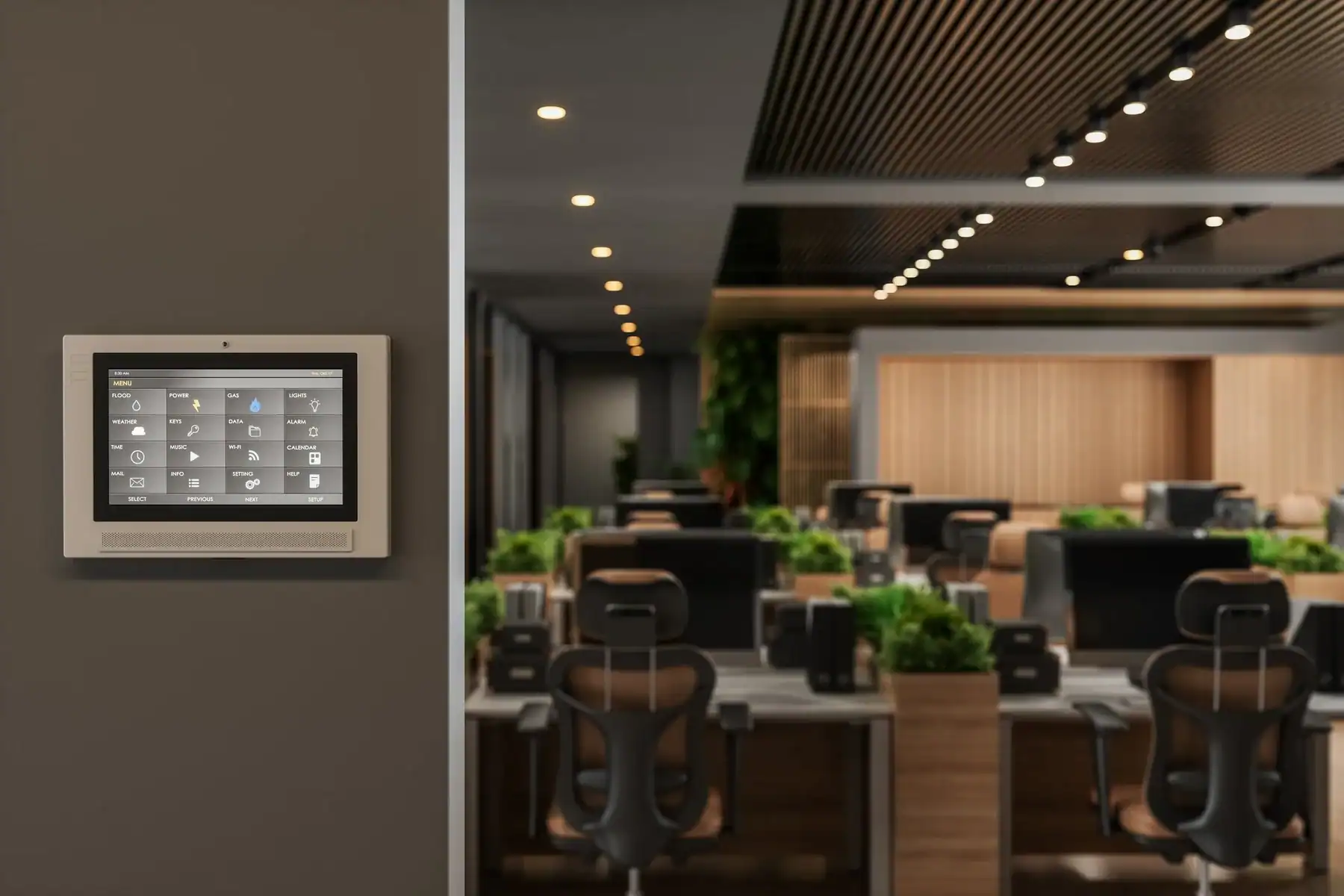
That humming fluorescent light you barely notice? For roughly one in five people walking into your space, it’s a jackhammer between the ears—and they’re already calculating how fast they can leave. We’ve watched this scene play out in lobbies, waiting rooms, and open offices across every sector. The flickering tube overhead, the echo bouncing off polished concrete, the visual chaos of competing patterns—these aren’t minor annoyances. They’re barriers that push talented employees toward the exit and send potential customers straight to competitors.
In this article, you’ll learn:
- Why sensory-friendly design benefits everyone, not just neurodivergent individuals
- How the eight sensory channels create design opportunities (and potential overwhelm triggers)
- Which lighting, acoustic, and material strategies reduce sensory stress without creating clinical aesthetics
- How matte-finish TFL laminates contribute to glare reduction and visual calm
- Practical implementation steps for conducting sensory audits and engaging diverse users
- Sector-specific applications across healthcare, corporate, retail, and hospitality

What Sensory-Friendly Design Actually Means
The Spectrum of Sensory Experience (It’s Not Binary)
Sensory experience isn’t an on-off switch. It’s a continuum where everyone lands somewhere different depending on the day, the task, and the accumulated stimulation they’ve already absorbed. Some people seek intense sensory input to feel alert and engaged. Others become overwhelmed by stimulation levels that seem perfectly normal to their colleagues.
According to HOK’s neurodiversity research presented at SXSW 2024, the ratio of people considered neurodivergent has grown from approximately 1 in 8 to 1 in 5 in recent years. Kay Sargent, HOK’s director of thought leadership, emphasizes that sensory sensitivity extends far beyond clinical diagnoses. As she explained, what might be merely annoying for a neurotypical person might be debilitating for someone with ADHD, autism, or another condition.
Why “Invisible” Disabilities Demand Visible Design Solutions
Most sensory sensitivities remain invisible. You can’t spot them during a building tour or identify them on a floor plan. But their effects show up in absenteeism data, productivity metrics, and employee retention rates. Cleveland Clinic estimates that 5 to 15 percent of the general population experiences sensory processing differences significant enough to affect daily functioning.
These individuals rarely request accommodations. They’ve learned to mask their discomfort, push through headaches, and avoid spaces that overwhelm them. Your building might be driving away talent and customers without anyone formally complaining.
The Business Case: Who Benefits and Why It Matters
Here’s what makes sensory-friendly design compelling: it improves experiences for everyone. The same lighting adjustments that help someone with light sensitivity also reduce eye strain for neurotypical workers. The acoustic treatments that prevent sensory overload for autistic individuals also boost concentration for the entire team.
Research from Work Design Magazine confirms that approximately 15-20% of the global population identifies as neurodivergent. Designing spaces that accommodate this substantial minority creates environments where the majority also thrives. It’s universal design applied to the nervous system.
Understanding the Eight Sensory Channels
The Five You Know: Visual, Auditory, Tactile, Olfactory, Gustatory
Most designers consider the five traditional senses when planning spaces:
- Visual: Light intensity, color, contrast, pattern complexity, movement
- Auditory: Volume, reverberation, background noise, speech intelligibility
- Tactile: Surface textures, temperatures, pressure from furniture and fixtures
- Olfactory: Scents from materials, cleaning products, food service, ventilation
- Gustatory: Primarily relevant in hospitality and food service environments
Each channel presents both opportunities and potential triggers. A visually striking feature wall might energize some occupants while overwhelming others. Background music that creates ambiance for most listeners might prevent concentration for sound-sensitive individuals.
The Three You Might Not: Vestibular, Proprioceptive, Interoceptive
Three additional sensory systems significantly affect how people experience built environments:
- Vestibular: Balance and spatial orientation. Affected by floor levelness, visual patterns that create motion illusions, and transitions between spaces.
- Proprioceptive: Body awareness and position. Influenced by furniture that provides appropriate support and feedback, ceiling heights that affect perceived compression, and spatial proportions.
- Interoceptive: Internal body signals including temperature, hunger, and stress responses. Affected by HVAC systems, access to water and restrooms, and overall environmental stress levels.
Sensory-friendly design considers all eight channels, recognizing that overwhelm in any system can cascade into broader discomfort.
Sensory Seeking vs. Sensory Avoiding—Designing for Both
Not everyone with sensory differences seeks less stimulation. Some individuals are sensory seekers who need more input to feel regulated and alert. Gensler’s neurodiversity research emphasizes that effective spaces provide a range of environments with varying sensory profiles.
The solution isn’t creating uniformly muted spaces. It’s providing choice—quiet zones alongside more stimulating areas, adjustable lighting alongside fixed installations, and transition spaces that buffer between different sensory environments.
Visual Environment—Calming the Eyes
Lighting Intensity, Flicker, and Color Temperature
Lighting causes more sensory distress than almost any other environmental factor. Research cited by TheraSpecs indicates that fluorescent lighting particularly affects individuals with autism (up to 50% report severe sensitivity), migraines, traumatic brain injuries, and various neurological conditions.
The problems with conventional fluorescent lighting include low-frequency flicker (often imperceptible but neurologically detectable), high blue-light content, and harsh intensity. Studies have found that installing high-frequency ballasts reduced reported eye strain and headaches by 50% among office workers.
Sensory-friendly lighting strategies include replacing fluorescent fixtures with flicker-free LED alternatives, providing dimmable controls in as many zones as possible, maintaining color temperatures between 2700K and 4000K (avoiding the harsh blue end of the spectrum), and maximizing access to natural daylight with appropriate glare control.

A stylish and creative interior design mood board illustrating color palettes, textures, and decor elements for modern and earthy-inspired interiors.
Glare Control Through Material Selection (Matte TFL Surfaces)
Glare creates visual stress even for people without diagnosed sensitivities. Every reflective surface—polished floors, glossy countertops, shiny wall finishes—becomes a potential glare source that forces eyes to constantly adjust.
This is where material specification makes a measurable difference. Matte-finish thermally fused laminate (TFL) from manufacturers like KML Designer Finishes absorbs rather than reflects light. The texture breaks up specular reflection, creating surfaces that remain visible and attractive without bouncing light into occupants’ eyes.
For reception desks, work surfaces, wall panels, and millwork in sensory-sensitive environments, matte TFL delivers the durability commercial spaces require while contributing to overall visual calm. The finish options available today include wood grains, stone looks, and solid colors—all without the glare problems of high-gloss alternatives.
Pattern Density, Contrast Levels, and Visual Clutter
Complex patterns, high-contrast graphics, and visual clutter increase cognitive load. For sensory-sensitive individuals, processing these visual elements consumes mental resources that could otherwise support the task at hand.
Interior design research on neurodiversity recommends muted colors, simplified patterns, and earth tones to facilitate relaxation in spaces intended for focus. Bold graphics and busy patterns should be concentrated in designated high-energy zones rather than distributed throughout facilities.
Wayfinding That Reduces Cognitive Load
Navigation should be intuitive, not puzzling. Clear sightlines, logical circulation paths, and consistent signage systems reduce the mental effort required to move through spaces. For individuals who experience anxiety in unfamiliar environments, predictable layouts provide essential comfort.
Effective sensory-friendly wayfinding includes landmarks at decision points, color-coding that reinforces spatial organization, floor patterns that guide circulation without creating visual confusion, and signage positioned at consistent heights with adequate contrast for readability.
Acoustic Environment—Quieting the Chaos
Background Noise, Reverberation, and Speech Intelligibility
Sound problems manifest in two primary ways: excessive volume and poor quality. A space can be too loud, or it can distort sound so severely that conversations become difficult to follow. Both conditions stress sensory-sensitive individuals.
According to Architecture Today’s acoustic design expert interview, 56% of UK workers find their offices noisy—a figure that has barely shifted despite years of awareness. Among neurodiverse employees, the impact is even more severe: 71% of those with dyspraxia, 67% with ADHD, and 62% with autism report workplace noise as problematic.
Research from Harvard Business Review found that noise reduces performance on challenging cognitive tasks by up to 66%. For sensory-sensitive individuals, this productivity loss compounds with physical discomfort, creating environments that are genuinely difficult to inhabit.
Sound Masking vs. Sound Absorption Strategies
Two complementary approaches address acoustic challenges:
Sound absorption uses soft, porous materials to capture sound energy and reduce reverberation. Acoustic ceiling tiles, fabric-wrapped wall panels, carpet, and upholstered furniture all contribute to absorption. The goal is reducing echo and preventing sound from bouncing endlessly around hard-surfaced spaces.
Sound masking introduces consistent background sound (often called “white noise” or “pink noise”) that covers up irregular, distracting noises. When properly calibrated, masking makes conversations from neighboring workstations unintelligible without raising overall volume to uncomfortable levels.
Most effective acoustic designs combine both strategies, absorbing sound where it originates while masking residual noise throughout occupied areas.
Quiet Zones and Acoustic Refuge Spaces
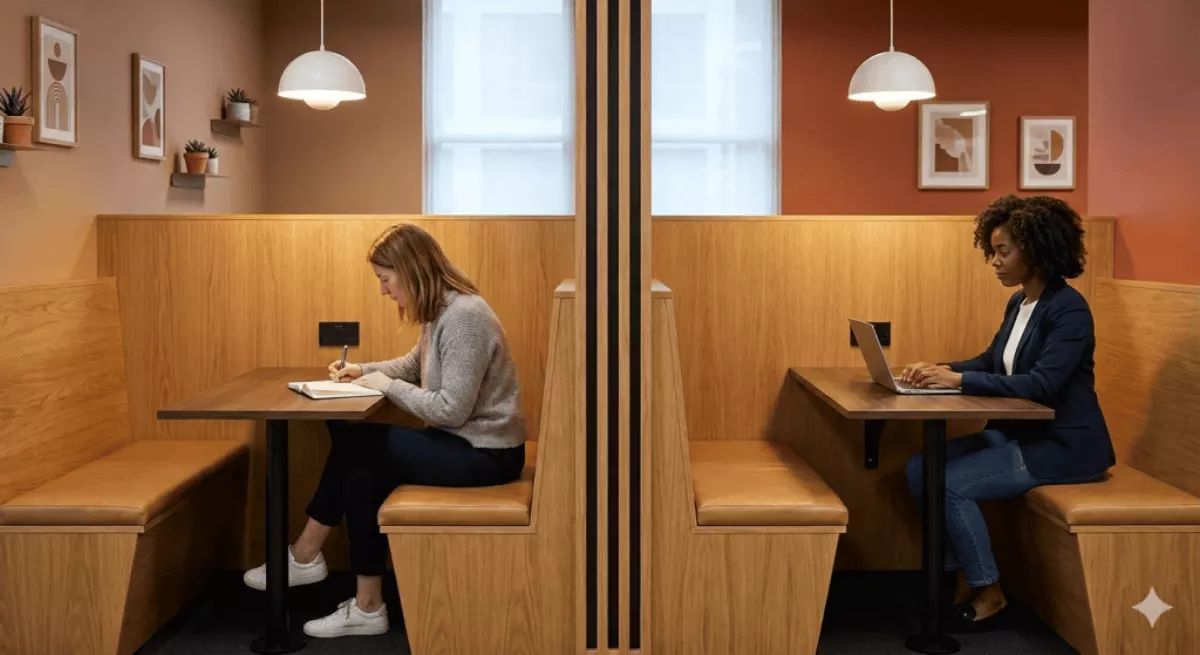
Even with excellent overall acoustics, sensory-sensitive individuals need access to genuinely quiet spaces for recovery. These acoustic refuges allow people experiencing overload to regulate before returning to more stimulating environments.
Phone booths, focus pods, and enclosed quiet rooms serve this function when distributed throughout facilities. BOMA 2024 conference presentations emphasized that if quiet spaces aren’t visible and accessible within 15-20 steps, employees won’t use them—they’ll simply remain at their desks, distracted and unproductive.
Tactile Environment—Texture Without Overwhelm
Surface Variety That Invites Rather Than Intrudes
Tactile sensitivity varies dramatically between individuals. Some find certain textures physically painful to touch. Others seek textural input and find smooth, uniform surfaces unsatisfying.
Sensory-friendly design provides textural variety without extremes. Surfaces should offer interest without aggression—natural wood grain rather than rough-sawn bark, fabric with gentle nap rather than scratchy weave, stone with honed finish rather than sharp-edged split face.
Temperature Considerations in Material Specification
Materials feel different temperatures even in identical ambient conditions. Metal feels cold. Wood feels warm. Stone falls somewhere between depending on mass and exposure. These thermal properties affect tactile comfort, particularly for individuals sensitive to temperature changes.
In spaces where people will touch surfaces regularly—handrails, countertops, seating—consider thermal conductivity alongside other performance criteria. Warmer-feeling materials like wood and many laminates often outperform cold materials like metal and stone for sensory comfort.
Furniture Selection for Sensory Comfort
Seating deserves particular attention. Chairs that provide firm, consistent support help proprioceptive regulation. Adjustable options allow individuals to customize their experience. Furniture with enclosed backs and sides creates refuge conditions that many sensory-sensitive people find calming.
Avoid furniture that wobbles, squeaks, or shifts unexpectedly. These unpredictable sensory inputs can trigger anxiety for individuals who depend on environmental consistency.
Olfactory and Air Quality Considerations
Scent Sensitivity and Fragrance-Free Policies
Olfactory sensitivity often goes unaddressed in design discussions, yet strong scents can trigger migraines, nausea, and respiratory distress in sensitive individuals. Fragranced cleaning products, air fresheners, and off-gassing from new materials all contribute to olfactory load.
Sensory-friendly facilities specify low-VOC materials, use unscented cleaning products, and avoid artificial air freshening. Natural ventilation and high-quality filtration address odors more effectively than masking fragrances.
Ventilation, Off-Gassing, and Material VOC Levels
New construction and renovation projects introduce volatile organic compounds (VOCs) from adhesives, paints, sealants, and composite materials. These compounds affect air quality and can trigger reactions in chemically sensitive individuals.
Specifying low-VOC products throughout projects reduces initial off-gassing. Adequate ventilation during and after construction allows compounds to dissipate before occupancy. TFL products typically have lower VOC emissions than many alternative surfacing materials, making them appropriate choices for sensory-sensitive environments.
Spatial Configuration for Sensory Regulation
Predictable Layouts and Clear Sightlines
Unpredictable environments create anxiety. When people can’t anticipate what’s around the next corner, their nervous systems remain on alert. This vigilance consumes energy and prevents relaxation.
Sensory-friendly layouts provide clear sightlines from entry points, logical spatial organization, and predictable patterns. Occupants should be able to understand a space quickly and navigate it confidently.
Escape Routes and Low-Stimulation Retreat Spaces
Everyone needs the ability to exit overwhelming situations. Sensory-friendly design ensures that retreat paths are always visible and accessible. People should never feel trapped in high-stimulation environments.
Retreat spaces—whether dedicated quiet rooms or simply alcoves with reduced stimulation—should be distributed throughout facilities. The goal is providing regulation opportunities without requiring long journeys through stimulating areas.
Flexible Zones That Accommodate Different Needs
Flexibility supports diverse sensory profiles. Adjustable lighting, moveable partitions, and adaptable furniture allow spaces to serve different needs throughout the day and across different users.
Transition Spaces That Buffer Sensory Shifts
Abrupt transitions between different sensory environments create jarring experiences. Walking directly from a quiet lobby into a noisy open office shocks the system. Transition zones—corridors, vestibules, buffer areas—allow gradual adjustment between different sensory conditions.
Sector Applications—Sensory-Friendly in Practice
Healthcare: Reducing Anxiety in Clinical Settings
Healthcare environments generate significant baseline anxiety. Patients arrive worried about their health, families arrive worried about loved ones, and staff operate under constant pressure. Sensory-friendly design reduces environmental stressors that compound this baseline anxiety.
Waiting areas benefit from natural light, acoustic absorption, comfortable seating with refuge qualities, and visual simplicity. Examination rooms should offer patient control over lighting where possible. Wayfinding must be exceptionally clear to reduce navigation anxiety.
Corporate: Focus Spaces and Neurodiverse Talent Retention
The modern open office creates significant challenges for sensory-sensitive employees. Without intervention, these talented individuals either struggle with reduced productivity or leave for environments that better support their needs.
Effective corporate sensory design provides variety: quiet focus areas, moderate collaboration zones, and high-energy social spaces. Employees choose environments matching their current task and sensory state. This choice-based model benefits everyone while particularly supporting neurodivergent team members.
Retail and Hospitality: Inclusive Customer Experience
Research published in SAGE Journals found that 70% of consumers with sensory sensitivities avoid physical retail stores due to factors like bright lighting, loud music, and crowded environments. This represents substantial lost revenue.
Sensory-friendly retail strategies include designated quiet shopping hours, clearly identified low-stimulation zones, and staff training on supporting sensory-sensitive customers. Some retailers now offer “sensory maps” showing stimulation levels throughout stores.
Education and Public Facilities: Universal Design Principles
Public facilities serve the broadest possible user base, making inclusive design essential. Libraries, community centers, government buildings, and transit facilities should accommodate the full spectrum of sensory needs.
Universal design principles—creating environments usable by all people without adaptation—align closely with sensory-friendly approaches. Features that support sensory-sensitive individuals typically improve experiences for everyone.
Specifying Sensory-Friendly Materials
Low-Glare, Low-VOC Surface Options
Material selection significantly impacts sensory experience. Prioritize surfaces with matte or satin finishes that minimize glare, low VOC emissions that maintain air quality, and textures that provide interest without aggression.
Matte-finish TFL laminates check multiple boxes: they reduce glare, emit minimal VOCs, and offer extensive design options from calming neutrals to nature-inspired wood and stone patterns. For high-touch commercial surfaces, they deliver sensory-friendly performance alongside durability and cleanability.
Acoustic Panel Selection and Placement
Acoustic panels should be distributed throughout spaces, not concentrated only in designated quiet zones. Collaborative areas benefit from absorption that prevents noise from reaching uncomfortable levels. Panels positioned at seated ear height address the most problematic frequencies.
Flooring That Balances Durability and Comfort
Hard flooring surfaces reflect sound and create harsh acoustics. Carpet absorbs sound but may present maintenance challenges. Many sensory-friendly designs use carpet tile in focus areas and hard surfaces in circulation zones, creating acoustic variety that matches activity patterns.
Color Palettes That Calm Without Going Clinical
Sensory-friendly doesn’t mean beige and boring. Earth tones, soft blues and greens, and warm neutrals create calming environments without institutional aesthetics. The key is avoiding high contrast, jarring combinations, and overly saturated colors that increase visual stimulation.
Implementation Strategy—Practical Steps
Conducting a Sensory Audit of Existing Spaces
Before implementing changes, assess current conditions across all sensory channels. Document lighting levels and types, measure acoustic conditions, note material finishes and their reflective properties, identify scent sources, and evaluate spatial organization.
Walk through spaces at different times of day and during different activities to understand how sensory conditions vary.
Engaging Neurodivergent Consultants and Users
People with lived experience of sensory sensitivity offer insights that no amount of research can replace. Engage neurodivergent consultants during design phases and include sensory-sensitive individuals in user testing.
Phased Approaches for Retrofit Projects
Comprehensive sensory retrofits can be expensive and disruptive. Prioritize interventions based on impact and feasibility. Lighting upgrades often deliver significant benefits at moderate cost. Acoustic treatments can be added incrementally. Material replacements can occur during normal refresh cycles.
Documenting for Accessibility Compliance and Certifications
While sensory-friendly design isn’t yet mandated by most accessibility codes, documentation supports future requirements and aligns with wellness certifications like WELL and Fitwel. Track design decisions, product specifications, and post-occupancy evaluations to build an evidence base.
Measuring Success and Avoiding Common Mistakes
Post-Occupancy Feedback From Diverse Users
Gather feedback specifically from sensory-sensitive occupants, not just general satisfaction surveys. Ask about specific environmental factors: lighting comfort, noise levels, ability to find quiet spaces, and overall sensory experience.
Pitfalls: Sterile Aesthetics, Tokenism, and One-Size-Fits-All Thinking
Sensory-friendly design fails when it creates cold, clinical environments that nobody wants to inhabit. The goal is comfortable, attractive spaces that happen to support sensory regulation—not institutional settings that signal “special needs.”
Avoid tokenism: one quiet room in a facility of overwhelming spaces doesn’t constitute sensory-friendly design. And remember that sensory needs vary—providing options matters more than optimizing for any single profile.
FAQs
What percentage of the population has sensory sensitivities? Estimates vary, but research suggests 15-20% of people are neurodivergent, and 5-15% experience sensory processing differences significant enough to affect daily functioning. Even neurotypical individuals benefit from reduced sensory stress.
Is sensory-friendly design required by accessibility codes? Currently, most building codes focus on physical accessibility rather than sensory accommodation. However, the Americans with Disabilities Act covers some neurodivergent conditions, and wellness certifications increasingly include sensory criteria.
What’s the most impactful single change for sensory-friendly spaces? Lighting upgrades typically deliver the greatest impact. Replacing flickering fluorescents with flicker-free LEDs, adding dimming controls, and reducing glare through material selection address the most commonly reported sensory stressor.
How do we balance sensory-friendly design with brand aesthetics? Sensory-friendly design doesn’t require abandoning design vision. Matte finishes, acoustic treatments, and lighting controls come in virtually unlimited aesthetic options. The constraint is avoiding extremes—excessive glare, harsh acoustics, visual chaos—not specific styles.
Can sensory-friendly features be added to existing spaces? Yes. Many interventions—lighting retrofits, acoustic panels, furniture upgrades, and material replacements during normal maintenance cycles—can transform existing spaces without complete renovation.