
How to Specify Eco-Friendly Finishes Without Compromising Design
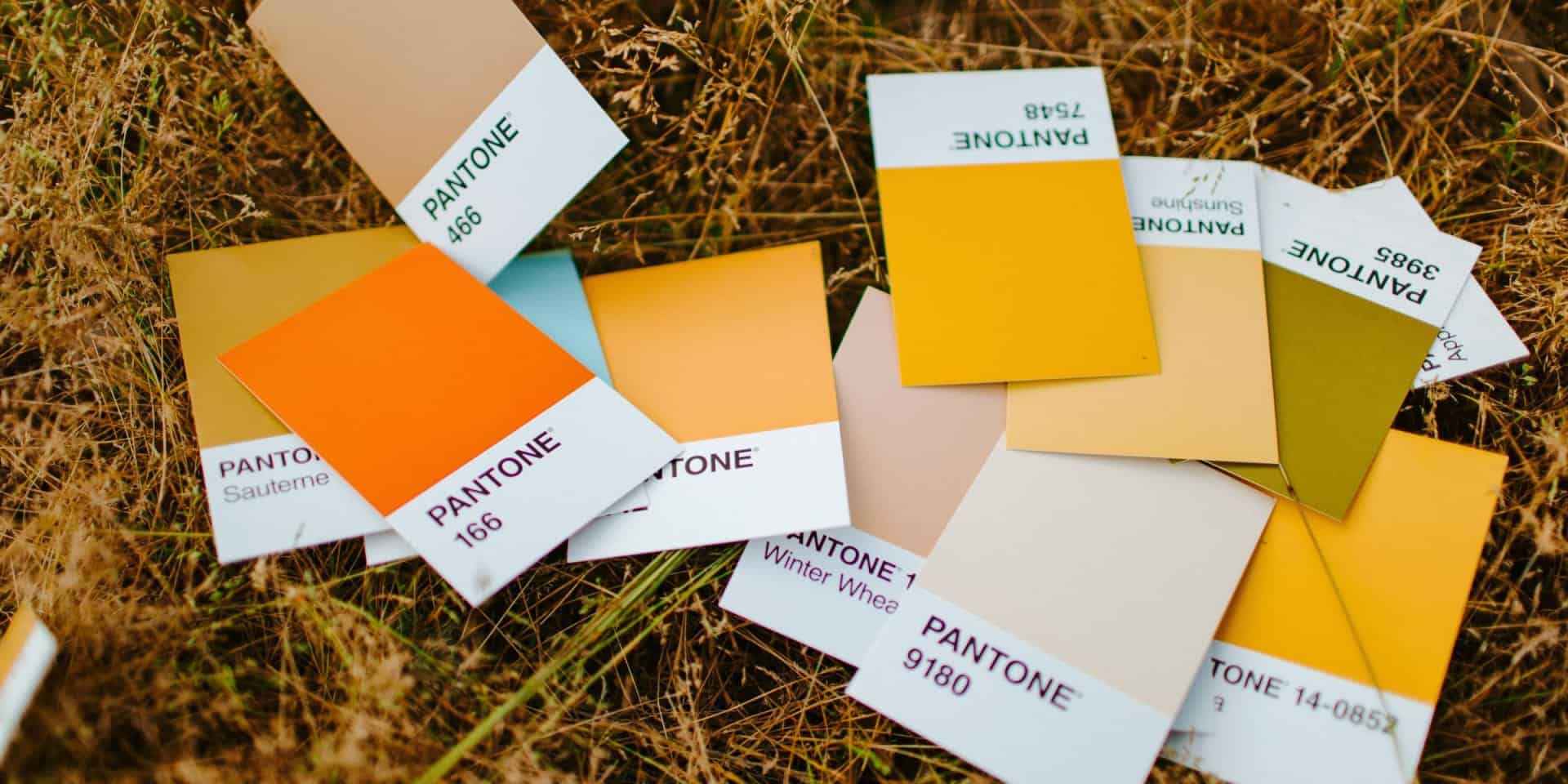
The “sustainable finishes sacrifice performance” myth died somewhere around 2015, but apparently nobody sent the memo—modern zero-VOC paints now outlast conventional alternatives while eliminating 95% of harmful emissions.
If you’re still approaching eco-friendly finishes as a compromise between environmental responsibility and design excellence, you’re operating with outdated information. The sustainable finishes market has matured from niche specialty products into performance-driven solutions that deliver superior indoor air quality, faster project timelines, and aesthetic options matching or exceeding conventional finishes.
The challenge for commercial interior designers isn’t finding sustainable finishes that work—it’s navigating the specification process to ensure you get products that genuinely perform while meeting green building requirements. This guide walks you through exactly how to specify eco-friendly finishes with confidence, backed by performance data and real-world commercial applications.
Article Main Points:
• Modern zero-VOC and low-VOC paints meet or exceed conventional paint performance in standardized durability testing while reducing harmful emissions by 90-95%
• Green Seal GS-11 certification requires both VOC content limits and CDPH emission testing, ensuring products perform in real-world conditions
• Eco-friendly finishes offer 1,000+ color options across all sheen levels with no aesthetic limitations compared to conventional products
• Initial cost premiums of 5-30% are offset by faster occupancy (24-48 hours), reduced ventilation costs, and improved occupant productivity
• Proper surface preparation and application techniques are critical for water-based sustainable finishes to achieve rated performance
• Multiple certification pathways (Green Seal, MAS Certified Green, GREENGUARD) serve different project needs and green building standards
Why Eco-Friendly Finishes Matter (Beyond the Green Halo)
Let’s start with the business case before diving into specifications. Eco-friendly finishes aren’t just about feeling good—they solve real problems that impact your projects and your clients’ bottom lines.
Indoor Air Quality: The Invisible Design Element
You design spaces people experience through sight and touch. But the air they breathe while occupying those spaces? That’s influenced heavily by the finishes you specify.
Conventional paints, coatings, and adhesives release volatile organic compounds (VOCs) that degrade indoor air quality for days, weeks, or even months after application. These compounds cause headaches, respiratory irritation, and reduced cognitive function. Studies consistently show 1-5% productivity improvements when indoor air quality improves.
Do the math on a 100-person office where average salary hits $60,000. A 1% productivity gain equals $60,000 annually. The paint premium for that 10,000-square-foot office? Maybe $2,000-5,000. Payback happens in under two months, then keeps delivering value for years.
Regulatory Reality: VOC Limits Aren’t Optional Anymore
California’s CARB (California Air Resources Board) regulations set the nation’s strictest VOC limits for architectural coatings. Other states are adopting similar standards. Federal facilities must comply with EPA recommendations prioritizing low-emitting materials.
LEED v5, launched in April 2025, strengthened material emission requirements. WELL Building Standard v2 established individual compound limits based on toxicity. Living Building Challenge maintains its Red List of prohibited chemicals.
If you’re designing commercial interiors for sophisticated clients, green building compliance isn’t optional—it’s baseline expectation.
Client Demand Meets Market Supply
Healthcare systems specify low-VOC finishes as standard practice for patient safety. Tech companies compete on wellness-focused workplace design. Corporate tenants demand LEED and WELL certified spaces.
The market responded. Major paint manufacturers now position zero-VOC and low-VOC products as premium offerings, not eco-alternatives. Performance improvements came alongside environmental improvements. You’re no longer choosing between sustainable and high-performing—the best products deliver both.

Understanding Eco-Friendly Finish Categories
Navigating sustainable finish terminology requires cutting through marketing language to understand what products actually deliver.
Zero-VOC vs. Low-VOC: What the Numbers Actually Mean
Here’s where terminology gets tricky. “Zero-VOC” doesn’t mean literally zero—it means VOC content below 5 grams per liter. That’s still 90-95% lower than conventional paints, which can contain 50-300 g/L depending on finish type.
Zero-VOC paints (<5 g/L): • Virtually no odor during or after application • Safe for occupied spaces • Minimal ventilation requirements • Meet strictest green building standards
Low-VOC paints (5-100 g/L): • Significantly reduced emissions vs. conventional • Meets Green Seal GS-11 standards • Appropriate for most commercial applications • Broader product availability
Important distinction: VOC content measures what’s in the can. Emission testing measures what enters the air after application. Both matter for complete assessment.
Products can have low VOC content but still emit other compounds. This is why LEED v4.1 and WELL v2 require emission testing via CDPH Standard Method v1.2—the only way to verify real-world indoor air quality impact.
Natural Paints: When “Chemical-Free” Is Marketing vs. Reality
Natural paint marketing emphasizes “chemical-free” formulations. Here’s the reality: everything is chemicals. Water is a chemical. The question isn’t whether a paint contains chemicals—it’s whether those chemicals pose health or environmental risks.
Legitimately natural paints include:
Mineral paints: Silicate-based, extremely durable, inherently low-VOC
Lime wash: Calcium hydroxide-based, antimicrobial, breathable, zero-VOC
Clay paints: Earth pigments, humidity-regulating, zero-VOC, limited durability in high-traffic areas
Milk paint: Casein-based, biodegradable, authentic historic finish, requires sealing for washability
Natural paints offer genuine benefits—zero VOCs, biodegradability, unique aesthetic qualities. But they also have limitations. Many require more coats for coverage. Durability varies. Color ranges may be narrower. Application techniques differ from conventional paints.
Specify natural paints when their unique properties align with project goals, not simply because “natural” sounds better than “synthetic.”
Sustainable Wallcoverings: Beyond PVC-Free
Wallcovering sustainability extends beyond eliminating PVC, though that’s an important start.
PVC-free alternatives: • Polyolefin-based products offer Type II performance without PVC • Recyclable at end-of-life • No phthalate plasticizers • Commercial-grade durability and cleanability
Natural fiber options: • Cork: Renewable, acoustic properties, biodegradable • Grasscloth: Natural texture, breathable, FSC-certified • Wood veneer: Warm aesthetic, responsibly harvested • Textile: Recycled content options, sound absorption
Performance considerations: Sustainable wallcoverings must still meet commercial performance standards—Class A fire rating, abrasion resistance, cleanability, stain resistance. Verify testing data, not just sustainability claims.
The Green Seal GS-11 Standard Explained
Green Seal GS-11 is the gold standard for sustainable architectural coatings in North America. Understanding its requirements helps you specify products that genuinely perform.
VOC Limits That Matter by Product Type
Green Seal sets different VOC limits for different coating types based on technical feasibility and performance needs:
Interior paints: • Flat coatings: ≤50 g/L • Non-flat coatings: ≤100 g/L • Reflective wall coatings: ≤50 g/L
Specialty coatings: • Floor coatings: ≤100 g/L • Fire-resistive coatings: ≤350 g/L • Primers/sealers/undercoaters: ≤100 g/L
These limits align with CARB 2007 Suggested Control Measure, currently the most stringent VOC regulations in the United States.
Performance Requirements You Can’t Skip
Here’s what separates Green Seal GS-11 from generic “low-VOC” claims: mandatory performance testing.
Certified products must demonstrate:
Adhesion: Paint must stick to properly prepared substrates without peeling or flaking
Scrub resistance: Minimum 1,000 cycles for flat coatings, 2,000+ for higher sheens, tested per ASTM D2486
Washability: Stain removal without finish damage, critical for commercial environments
Hiding power: Adequate coverage in specified number of coats
Contrast ratio: Measured opacity over black and white substrates
Products failing performance testing don’t earn certification, regardless of VOC content. This ensures sustainable finishes deliver the durability commercial projects demand.
CDPH Emission Testing: Why VOC Content Isn’t Enough
California Department of Public Health Standard Method v1.2 tests actual emissions from applied products in controlled chamber conditions over 14 days (336 hours).
Why this matters: Products with low VOC content can still emit other compounds—formaldehyde, acetaldehyde, or volatile chemical ingredients that don’t technically count as VOCs.
CDPH testing captures total indoor air quality impact by measuring individual compound concentrations and comparing them to health-based thresholds. Products passing this testing protect occupant health more reliably than VOC content limits alone.
When specifying for LEED IEQ credits or WELL certification, CDPH testing isn’t optional—it’s required for most pathways.

High angle view of a young female interior designer discussing tiles with a young couple during a meeting in her office
Performance Specifications: Ensuring Finishes Actually Work
Sustainability credentials mean nothing if finishes fail in service. Here’s how to verify performance matches commercial demands.
Scrub Resistance for Commercial Applications
Scrub resistance measures durability against repeated cleaning—essential for commercial interiors facing daily maintenance.
Testing standard: ASTM D2486 uses oscillating brush under controlled load and moisture
Minimum thresholds: • Light-traffic areas: 1,000 cycles • Moderate-traffic: 2,000 cycles • Heavy-traffic: 5,000+ cycles
High-quality eco-friendly paints routinely achieve 5,000-10,000+ cycles—outperforming many conventional paints. The water-based formulations that enable low VOCs also create durable film formation.
Specify scrub resistance requirements based on actual use. Don’t over-specify (unnecessary cost) or under-specify (premature failure).
Washability Standards That Survive Real Use
Washability differs from scrub resistance. It measures stain removal without finish damage—how well paints handle coffee spills, marker smudges, and handprints.
ASTM D4828 testing procedure: • Apply common stains (crayon, pencil, dirt, grease) • Allow specified dwell time • Clean with standard detergent solution • Evaluate finish integrity and stain removal
For commercial spaces, specify products demonstrating excellent washability ratings. This is particularly critical in: • Healthcare (frequent disinfection) • Education (high-contact surfaces) • Hospitality (appearance standards) • Corporate lobbies (first-impression areas)
Color Retention and Durability Testing
Colors must maintain appearance throughout service life. Eco-friendly paints now match or exceed conventional paint color retention due to high-quality pigments and UV-stable binders.
Key testing: • ASTM D4446: Xenon arc lightfastness • ASTM D3960: Chalk rating • ASTM D661: Cracking evaluation
Request performance data from manufacturers. Reputable companies provide technical datasheets documenting testing results.
Design Freedom: Color, Texture, and Aesthetic Options
The notion that sustainable finishes limit design choices is outdated fiction. Here’s what you actually get.
The 1,000+ Color Myth Buster
Benjamin Moore Eco Spec: 3,500+ colors
Sherwin-Williams Harmony: Full color palette
ECOS Paints: 1,000+ colors with custom matching
The color range limitation disappeared years ago when manufacturers developed zero-VOC colorant systems. Computer tinting produces identical colors whether you’re mixing conventional or eco-friendly base paint.
Custom color matching works the same way. Bring a sample, spectrophotometer analyzes it, system formulates match. The sustainable formulation doesn’t limit color accuracy.
Sheen Levels From Matte to High-Gloss
All standard sheen levels are available in eco-friendly formulations:
Flat/Matte (0-5% gloss): • Hides surface imperfections • Sophisticated contemporary aesthetic • Lower scrub resistance but excellent touch-up ability
Eggshell (10-25% gloss): • Slight sheen adds depth • Good balance of aesthetics and cleanability • Popular for commercial walls
Satin (25-35% gloss): • Subtle shine • Enhanced durability • Versatile for walls and trim
Semi-Gloss (35-70% gloss): • Moisture-resistant • High scrub resistance • Ideal for high-contact areas, trim, doors
Gloss (70-85% gloss): • Maximum durability and reflectivity • Easy cleaning • Doors, handrails, accent details
Sheen selection impacts performance more than VOC content affects color. Match sheen to use, not sustainability.
Specialty Finishes: Limewash, Tadelakt, and Venetian Plaster
Sustainable specialty finishes deliver unique aesthetics impossible with standard paints:
Limewash: Natural lime-based finish creating soft, mottled appearance. Breathable, antimicrobial, develops patina over time. Perfect for feature walls and historical renovation.
Tadelakt: Moroccan plaster technique using lime and natural soap. Creates waterproof, polished finish. Stunning in bathrooms and wet areas. Zero-VOC, traditional craftsmanship.
Venetian Plaster: Multi-layer polished plaster creating marble-like depth and luminosity. Lime-based formulations available. Labor-intensive but spectacular results.
These finishes cost more due to material and labor requirements, but deliver completely different aesthetic than paint—comparing apples to oranges.
The Specification Process: Step-by-Step
Effective specification protects your design intent while ensuring contractors deliver sustainable performance.
Early Design: Setting Sustainability Goals
Start sustainability conversations during schematic design, not construction documents.
Key decisions: • Green building certification targets (LEED, WELL, Living Building) • VOC limits and emission standards • Required certifications • Budget allocation for sustainable upgrades
Early decisions prevent late-stage scrambling when you discover conventional products don’t meet green building requirements.
Product Research and Vetting
Build your sustainable finish library before projects demand immediate decisions.
Research workflow:
- Identify manufacturers with comprehensive eco-friendly lines
- Review technical datasheets for performance data
- Verify third-party certifications (Green Seal, MAS, GREENGUARD)
- Request samples for physical evaluation
- Test samples in actual project lighting conditions
- Document approved products for future reference
Maintain relationships with manufacturer reps. They provide technical support, continuing education, and early access to new products.
Writing Specifications That Protect Your Intent
Specification language determines whether you get what you design.
Essential specification elements:
Performance requirements: • Scrub resistance minimum (specify test method and cycle count) • Washability rating • Dry film thickness • Coverage rate
Environmental requirements: • VOC content limits by product type • Required certifications (Green Seal GS-11, MAS Certified Green) • CDPH emission testing compliance • Red List chemical avoidance (if applicable)
Application requirements: • Surface preparation standards • Primer specifications (eco-friendly primers for eco-friendly topcoats) • Number of coats • Dry time between coats • Ambient conditions during application
Substitution protocols: • Require written approval for any product substitutions • Demand equivalent certifications and performance data • Review substitutions before procurement, not installation
CSI MasterFormat and GreenFormat Integration
Organize specifications using CSI MasterFormat Division 09 structure:
09 91 00 Painting • 09 91 13 Exterior Painting • 09 91 23 Interior Painting
Within each section, integrate GreenFormat sustainability information: • Environmental attributes • Health impacts • Certifications • Recycled content • Regional materials
This standardized structure helps contractors locate requirements and supports LEED documentation submission.
Installation Best Practices for Sustainable Success
Even the best eco-friendly finish fails if improperly applied. Installation technique matters as much as product selection.
Surface Prep That Makes or Breaks Performance
Water-based eco-friendly finishes are less forgiving of poor surface prep than solvent-based conventional paints.
Critical preparation steps:
Cleaning: Remove dust, grease, and contaminants that prevent adhesion
Repairs: Fill cracks, holes, and imperfections. Water-based finishes highlight substrate flaws more than thick solvent-based products.
Priming: Use compatible eco-friendly primers. Primer chemistry must match topcoat chemistry.
Moisture control: Ensure substrates are dry. Water-based finishes can’t displace moisture like solvent-based products.
Invest time in proper prep. It’s cheaper than repainting failed finishes.
Application Techniques for Water-Based Products
Water-based formulations behave differently than solvent-based paints. Contractors accustomed to conventional products need education on technique differences.
Best practices:
Tools: High-quality synthetic brushes and rollers designed for water-based products. Natural bristle brushes absorb water and lose effectiveness.
Application: Don’t overwork water-based finishes. They set faster than solvent-based products. Apply smoothly and move on.
Recoat timing: Follow manufacturer specifications exactly. Recoating too soon or too late affects adhesion and finish quality.
Environmental control: Maintain 50-85°F temperature and below 85% relative humidity during application and cure.
Ventilation: Even low-VOC products benefit from air circulation during cure. It’s about moisture removal, not toxic fume exhaust.
Timing, Temperature, and Cure Schedules
Water-based eco-friendly finishes often require longer cure times than conventional paints.
Understanding the difference:
Dry to touch: Surface feels dry (1-2 hours)
Recoat dry: Ready for additional coats (2-4 hours)
Light traffic: Can withstand careful use (24 hours)
Full cure: Achieves rated performance (7-30 days)
Full cure happens as water evaporates and polymers cross-link. This takes longer than solvent-based products where volatile solvents flash off quickly.
Commercial scheduling implications:
Plan installation schedules around cure requirements. A Friday night application allows weekend cure time before Monday occupancy—perfect for office environments.
Communicate realistic timelines to clients. “Paint and move in tomorrow” expectations cause problems when finishes need proper cure time.

Engaging designer working on a tablet during a creative charrette session focused on innovative design solutions.
Navigating Certifications and Documentation
Multiple sustainable finish certifications exist. Understanding which matter for your projects prevents specification confusion.
Green Seal vs. MAS Certified Green vs. GREENGUARD
Green Seal GS-11: • Comprehensive standard covering VOC content, emissions, and performance • Widely recognized in North America • Accepted for LEED credits • Third-party testing and verification
MAS Certified Green: • Focus on VOC emissions testing • CDPH Standard Method v1.2 compliance • Globally recognized • Supports LEED and WELL certification
GREENGUARD: • UL certification for chemical emissions • GREENGUARD Gold meets more stringent standards (schools, healthcare) • Product-specific testing • Continuous monitoring of certified products
Which to specify: All three carry value. If choosing one, Green Seal GS-11 provides the most comprehensive vetting. For LEED projects, verify which certifications support credit pathways you’re pursuing.
LEED Credit Requirements for Finishes
LEED v4.1 and LEED v5 both address finish materials in Indoor Environmental Quality (IEQ) credits.
IEQ Credit: Low-Emitting Materials
Option 1 - Product emissions testing: • Products tested per CDPH Standard Method v1.2 • Meet Section 01350 emission criteria • Applies to paints, coatings, adhesives, sealers
Option 2 - VOC content: • VOC limits matching GreenSeal GS-11 or equivalent • Simpler documentation path • Less stringent than emissions testing
Documentation requirements: • Product datasheets showing VOC content • Certification documents (Green Seal, MAS, etc.) • Cut sheets with product names and manufacturers • Calculation of surface areas by product type
WELL Building Standard Material Criteria
WELL v2 Features addressing finishes:
Feature X12: Short-Term Emission Control • Paints, adhesives, sealants, coatings • CDPH Standard Method v1.2 testing required • Applies to products emitting primarily within days/weeks of application
Feature A01: Air Quality Standards • Performance verification testing post-installation • VOC limits including individual compounds • Formaldehyde limits
WELL emphasizes actual indoor air quality outcomes, not just product selection. This means proper installation and adequate cure time before occupancy matter for certification.
Building Your Documentation Package
Organize documentation systematically throughout design and construction:
Product submittals: • Technical datasheets with VOC content • Third-party certification documents • CDPH test reports (if applicable) • Performance testing data
Installation documentation: • Application records (dates, conditions, installers) • Photos of completed work • Quantity calculations • Invoices showing products purchased
Certification submission: • LEED Online templates completed • Product calculations by area/volume • Certification verification • Narrative descriptions of sustainable choices
Start documentation collection during design development. Retroactive documentation gathering creates project delays and risks lost credits.
Cost Analysis: The Real Numbers
Budget conversations benefit from realistic cost data rather than assumptions.
Initial Premium: What to Expect (5-30% Range Explained)
Zero-VOC premium paints: 10-20% over conventional equivalents
Low-VOC premium paints: 5-10% over conventional
Natural specialty finishes: 20-30% over conventional (due to material costs and application labor)
PVC-free wallcoverings: 10-15% over vinyl
For context: Painting represents 2-5% of typical commercial interior construction costs. A 20% paint premium increases overall project cost by 0.4-1%—often less than normal contingency allocation.
Hidden Savings: Faster Occupancy and Reduced Ventilation
Occupancy timeline comparison:
Conventional high-VOC paint: 7-14 days recommended before full occupancy
Low/zero-VOC paint: 24-48 hours sufficient for normal occupancy
Cost impact example: For a 10,000 sq ft office renovation, delayed occupancy costs include: • Lost productivity: $5,000-15,000 per week • Extended swing space rental: $2,000-5,000 per week • Delayed revenue generation: Variable by business
Faster occupancy from eco-friendly finishes creates immediate cost recovery.
Ventilation savings: Reduced ventilation requirements during application lower HVAC operating costs and eliminate temporary ventilation equipment rental in occupied buildings.
Long-Term Value: Durability and Maintenance Costs
Modern eco-friendly paints demonstrate equal or superior durability compared to conventional products in standardized testing.
Lifecycle cost advantages:
Extended repaint cycles: Premium eco-friendly paints may last 10-15 years vs. 7-10 for conventional, reducing lifecycle painting costs by 20-30%
Better stain resistance: Easier cleaning reduces maintenance labor
Color retention: Spaces maintain fresh appearance longer, deferring renovation
Calculate lifecycle costs, not just initial costs. The paint lasting 50% longer effectively costs 33% less per year of service.
Productivity ROI: The 1% That Changes Everything
Multiple studies document indoor air quality improvements correlating with 1-5% productivity gains.
The math: • 100 employees × $60,000 average salary = $6,000,000 annual payroll • 1% productivity improvement = $60,000 annual value • Paint upgrade premium = $2,000-5,000 • ROI: <2 months
Even skeptical clients recognize this math. The smallest measurable productivity improvement pays for sustainable finishes many times over.
Material-Specific Specification Strategies
Different finish categories require tailored specification approaches.
Paints and Coatings for High-Traffic Commercial Spaces
Healthcare facilities: • Specify antimicrobial coatings for patient areas • Require hospital-grade cleanability • GREENGUARD Gold certification for patient safety • Chemical resistance for disinfectant protocols
Education: • High scrub resistance (5,000+ cycles minimum) • Graffiti-resistant coatings for exposed areas • Zero-VOC requirement for occupied-during-construction scenarios • Durable enough for cart/chair impacts
Corporate offices: • Balance aesthetics and performance • Focus on low odor for occupied spaces • Color consistency across large areas • Touch-up capability
Wallcoverings: Balancing Aesthetics and Sustainability
Type II vinyl alternatives: PVC-free wallcoverings now match vinyl performance: • Class A fire rating • Commercial-grade abrasion resistance
• Heat-weldable seams • Excellent cleanability
Specify polyolefin-based products for performance-critical areas.
Natural fiber considerations: • Verify fire ratings (some require backing treatments) • Understand cleanability limitations (most aren’t scrubbable) • Specify protective coatings where needed • Use in lower-impact areas or protected applications
FSC certification: For wood veneer and cork wallcoverings, require FSC chain-of-custody documentation supporting sustainable forestry.
Stains and Sealers for Wood Elements
Wood finishes particularly benefited from water-based technology development.
Water-based wood stains: • VOC content ≤250 g/L (Green Seal limit) • Color range matching oil-based stains • Faster dry times • Less yellowing over time
Plant-based sealers: • Tung oil, linseed oil formulations • Penetrating protection • Natural appearance • May require more frequent maintenance
For commercial casework and millwork combining wood with other materials, consider specifying factory-finished components. TFL panels arrive pre-finished, eliminating on-site finishing emissions entirely while delivering exceptional durability.
Specialty Coatings: Fire-Rated, Antimicrobial, and Beyond
Intumescent coatings: Fire-resistive coatings are available in low-VOC formulations (≤350 g/L per Green Seal)
Antimicrobial coatings: Built-in antimicrobial protection using silver-ion or other EPA-registered technologies. Useful in healthcare, education, food service.
Air-purifying coatings: Emerging category using photocatalytic or absorptive technologies to reduce indoor VOCs. Performance varies; review third-party testing data carefully.
Common Pitfalls and How to Avoid Them
Learn from others’ mistakes.
The “Green” Product That Isn’t (Greenwashing Red Flags)
Warning signs: • Vague claims without third-party certification • “Natural” or “eco-friendly” without specific data • Green marketing but no VOC content disclosure • Certifications from unfamiliar organizations
Protection strategy: Require specific certifications in specifications. Accept Green Seal, MAS Certified Green, GREENGUARD—not generic “eco-friendly” claims.
Application Failures From Incorrect Technique
Common mistakes: • Using conventional primers under eco-friendly topcoats • Applying in temperatures outside specifications • Insufficient surface prep • Recoating before proper dry time
Prevention: • Pre-construction meetings with applicators • Provide manufacturer application guides • Require mock-ups for unfamiliar products • Site visits during application
When Color Matching Goes Wrong
The problem: Sampling colors under different lighting than actual installation creates mismatches.
The solution: • View samples in actual space under actual lighting • Test on large areas (2’×2’ minimum) not small chips • Evaluate at different times of day • Consider adjacent material colors and finishes
Contractor Education Gaps
Many painting contractors learned their craft using solvent-based products. Water-based eco-friendly finishes require technique adjustments.
Bridge the gap: • Specify installer training/certification • Connect contractors with manufacturer technical reps • Budget time for learning curve on first eco-friendly projects • Consider partnering with contractors experienced in sustainable finishes
Real-World Applications: What Works Where
Eco-friendly finishes succeed across commercial sectors when properly specified.
Healthcare: Meeting Aggressive Cleaning Protocols
Healthcare facilities pioneered eco-friendly finish adoption due to patient safety priorities.
Success factors: • Zero-VOC requirement eliminates patient/staff exposure • Enhanced cleanability withstands daily disinfection • Antimicrobial options provide additional infection control • GREENGUARD Gold certification standard practice
Performance validation: Hospitals specify eco-friendly paints for patient rooms, corridors, surgical areas—every interior surface. Decade-plus track records prove performance in demanding environments.
Education: Durability in High-Traffic Environments
Schools face unique challenges—high traffic, limited maintenance budgets, occupied-during-construction constraints.
Specification strategies: • High scrub resistance counters daily wear • Zero-VOC critical for occupied building renovations • Color retention important for long intervals between painting • Graffiti-resistant coatings for exposed areas
Case study insight: School districts report eco-friendly paints lasting longer than conventional predecessors due to improved formulation chemistry, offsetting initial cost premium.
Corporate Offices: Balancing Aesthetics and Wellness
Corporate clients increasingly demand wellness-focused workplaces. Finishes contribute significantly.
Design approach: • Specify zero-VOC throughout for wellness branding • Leverage specialty finishes (limewash, Venetian plaster) for feature walls • Coordinate with furniture and materials for holistic low-emission strategy • Document sustainable choices for employee communication
LEED and WELL synergy: Finishes supporting both certifications maximize project value.
Hospitality: Premium Appearance With Sustainability
Hotels and restaurants require durable, beautiful finishes that withstand constant use.
Specification priorities: • Washability for high-contact surfaces • Color matching across large properties • Fast recoat for minimizing room downtime • Low odor for occupied-building work
Sustainability storytelling: Guests increasingly value environmental responsibility. Sustainable finishes become marketing assets, not just operational decisions.
Emerging Technologies in Sustainable Finishes
Innovation continues advancing sustainable finish performance.
Air-Purifying Coatings That Actually Work
Technology types:
Photocatalytic coatings: Titanium dioxide activates under UV/visible light to break down VOCs and pollutants
Absorptive coatings: Activated carbon or molecular sieves capture and neutralize VOCs
Performance reality: Early products showed modest results. Latest generation demonstrates measurable indoor air quality improvements in third-party testing. Review specific test data rather than generic claims.
Graphene-Enhanced Performance
Graphene addition to paint formulations delivers: • Superior durability and abrasion resistance • Enhanced moisture resistance • Improved thermal properties • Potential antimicrobial effects
Zero-VOC graphene-enhanced paints are entering market. Premium pricing currently, but performance advantages may justify cost for demanding applications.
Bio-Based Formulations: The Next Generation
Innovations in development: • Algae-based pigments reducing mining impacts • Plant-derived resins replacing petrochemical sources • Agricultural waste utilization (rice hulls, corn stalks) • Carbon-negative manufacturing processes
These technologies promise further environmental improvements while maintaining performance. Watch for commercial availability in 2-5 years.
FAQs About Specifying Eco-Friendly Finishes
Q: Do eco-friendly paints really perform as well as conventional paints?
Yes. Modern zero-VOC and low-VOC paints meet or exceed conventional paint performance in standardized durability testing. Green Seal GS-11 certification requires products demonstrate performance equal to benchmark conventional products. Premium eco-friendly paints often outlast conventional alternatives due to advanced resin chemistry.
Q: How much more do sustainable finishes cost?
Initial premiums range 5-30% depending on product type. Zero-VOC premium paints cost 10-20% more. Low-VOC options add 5-10%. Natural specialty finishes run 20-30% higher. Since painting represents 2-5% of project costs, overall impact is minimal—often under 1% of total budget.
Q: Can I match any color with zero-VOC paint?
Yes. Major manufacturers offer 1,000-3,500+ colors in zero-VOC formulations using zero-VOC colorant systems. Custom color matching works identically to conventional paint. Computer spectrophotometry analyzes samples and formulates matches regardless of VOC level. Color limitations disappeared when manufacturers developed complete zero-VOC tinting systems.
Q: How long until I can occupy a space after applying eco-friendly finishes?
Most zero-VOC and low-VOC paints allow light occupancy within 24-48 hours versus 7-14 days for high-VOC conventional paints. Full cure taking 7-30 days to achieve rated performance applies to all water-based paints regardless of VOC content. Faster safe occupancy creates significant value in commercial projects.
Q: Which certifications should I require in my specifications?
Green Seal GS-11 provides comprehensive vetting of VOC content, emissions, and performance. MAS Certified Green verifies CDPH emission testing compliance. GREENGUARD (especially Gold level) confirms low chemical emissions. For LEED projects, verify which certifications support your targeted credit pathways—most accept multiple certification types.