
Food Service Surfaces: 10 Essential Specification Checks
| Commercial Design , kitchen design , Sustainable Materials
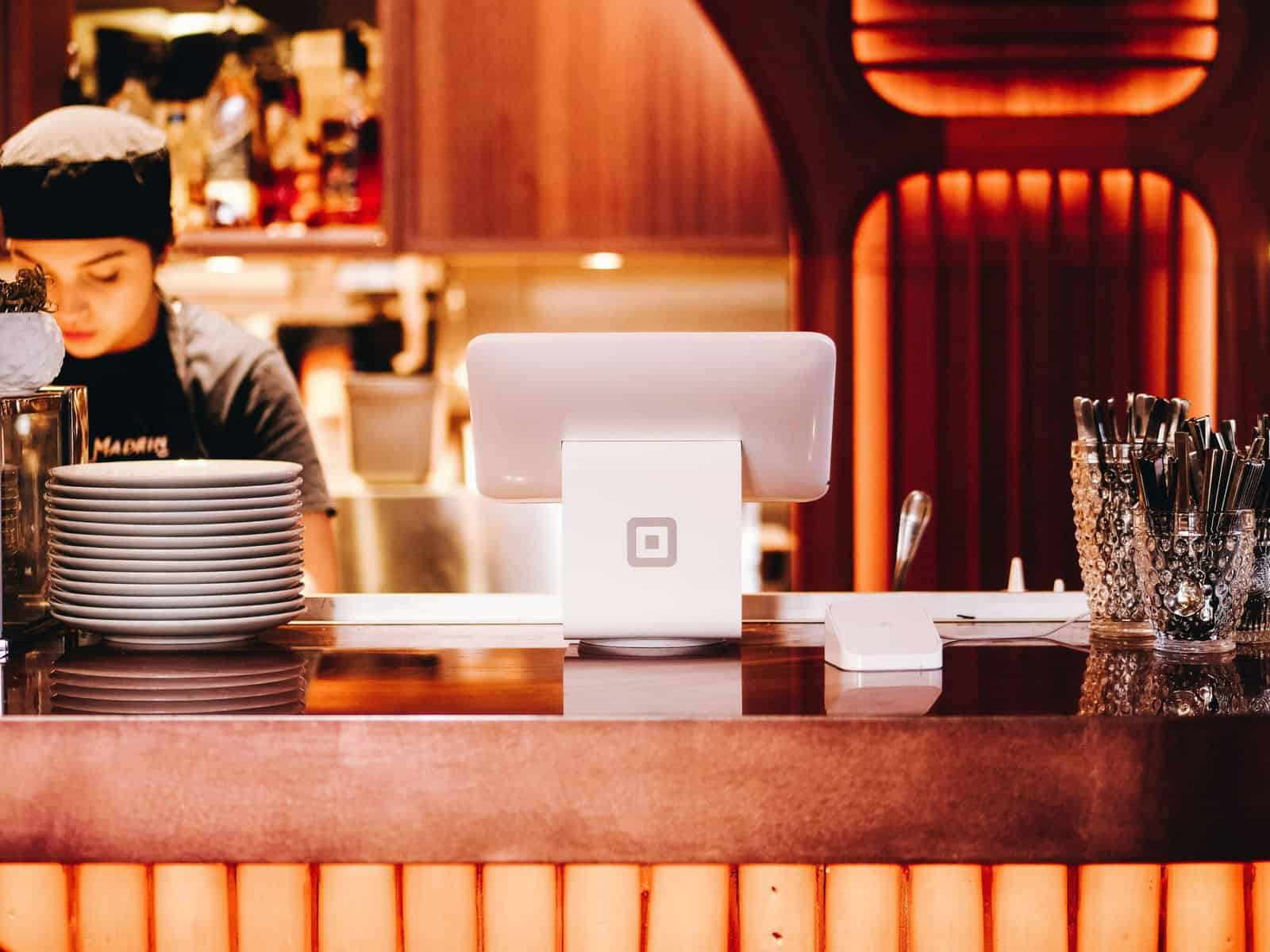
Food service surfaces face more daily abuse than almost any other commercial environment. In a $1.5 trillion industry where a single health code violation can shutter your doors and a dated interior can empty your tables, surface specification isn’t just a design decision — it’s a business-critical one.
We’ve walked into countless restaurant projects where owners assumed any durable surface would do. Then came the first health inspection. Or the first deep cleaning that stripped the finish. Or the first guest who noticed the peeling laminate on the booth and posted about it online.
The truth is, restaurant and food service environments demand more from surfaces than almost any other commercial space. They face heat, moisture, grease, constant cleaning with harsh chemicals, heavy traffic, and the unforgiving scrutiny of both health inspectors and Instagram users. Getting the specification right means understanding where code requirements end and design opportunities begin.
In this article, you’ll learn:
- How FDA Food Code and NSF certifications shape surface requirements for different zones
- Which materials work best for back-of-house, front-of-house, and transitional spaces
- Where TFL delivers design flexibility and durability in non-food-contact applications
- How current hospitality design trends are reshaping material specifications
- A practical checklist for specifying surfaces across food service segments

The Business Case for Strategic Food Service Surfaces
A $1.5 Trillion Industry
The U.S. restaurant industry is projected to reach $1.5 trillion in sales in 2025, according to the National Restaurant Association. That figure represents more than just meals served. It reflects 15.9 million jobs, fierce competition for consumer dollars, and an environment where differentiation matters more than ever.
We’ve seen the data play out in real projects. Operators are competing not just on menu and price but on atmosphere, experience, and brand identity. The National Restaurant Association reports that 80% of operators are optimistic about 2025, but they also expect competitive pressures to intensify. In this landscape, surface selection becomes a strategic tool for standing out while staying compliant.
Where Surfaces Meet Success
Every surface in a restaurant serves multiple masters. Health inspectors evaluate cleanability and code compliance. Operations teams care about durability and maintenance. Owners focus on lifecycle costs. And guests — whether they realize it or not — form impressions based on what they see and touch.
We’ve found that strategic surface specification delivers returns in four areas: passing inspections without remediation costs, reducing maintenance labor and material replacement, strengthening brand perception through cohesive design, and controlling total cost of ownership across a 10- to 15-year lifecycle.
Understanding the Regulatory Landscape
FDA Food Code Essentials
Regulations play a central role in specifying food service surfaces. The FDA Food Code serves as the model code for food safety in retail and food service operations. While states adopt it at different rates, its principles shape health department expectations nationwide. The 2022 edition with its 2024 supplement establishes requirements that directly affect surface specification.
The code distinguishes between food contact surfaces and non-food contact surfaces. Food contact surfaces must be smooth, non-porous, free of cracks and crevices, and able to withstand repeated cleaning and sanitizing. Non-food contact surfaces — like dining room casework, booth backs, and service station millwork — have fewer restrictions but still must be cleanable and maintained in good repair.
Understanding this distinction is essential. It tells us where we have flexibility and where we don’t.
NSF Certification Decoded
NSF International has developed more than 75 standards for commercial food equipment, and these standards have become the benchmark for health department acceptance. Three standards matter most for surface specification:
- NSF/ANSI 2 covers food handling equipment including prep tables, counters, and sinks. It establishes requirements for materials, design, and construction to ensure surfaces are cleanable and won’t harbor bacteria.
- NSF/ANSI 51 addresses food equipment materials specifically. It ensures materials used in food contact applications are safe, durable, and appropriate for their intended use.
- NSF/ANSI 35 covers high-pressure decorative laminates for non-food contact applications. This includes service counters, wait stations, and similar surfaces.
As NSF explains, certification indicates a product meets strict criteria for material safety, cleanability, and bacterial resistance. For designers, specifying NSF-certified products simplifies inspections and reduces risk.
Local Health Department Considerations
While the FDA Food Code provides the model, local jurisdictions interpret and enforce it differently. We always recommend checking state-specific codes and regulations before finalizing specifications. Some health departments are stricter about material approvals. Others focus heavily on documentation and certification verification.
The safest approach is to specify certified products where required and maintain documentation that demonstrates compliance. When in doubt, a pre-project conversation with the local health inspector can prevent costly changes during construction.
Zoning Your Specification Strategy
Back-of-House Requirements
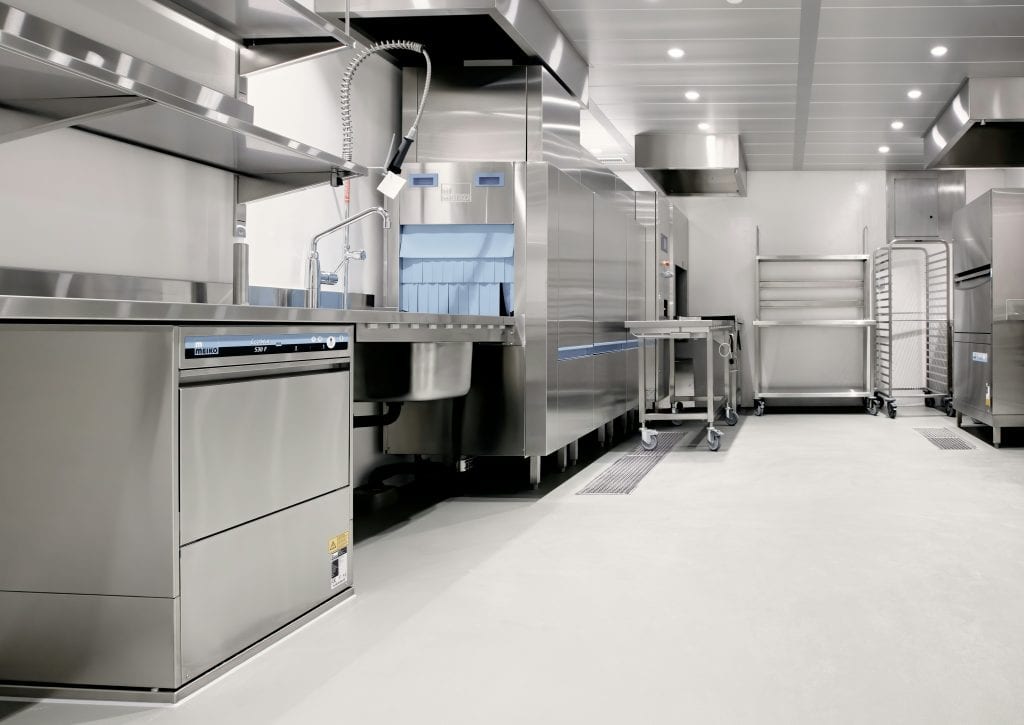
Back-of-house spaces — prep kitchens, cook lines, dishwashing areas, and storage — demand surfaces that can survive daily abuse. These zones involve direct food contact, extreme temperatures, moisture exposure, and cleaning with commercial-grade sanitizers.
Stainless steel dominates back-of-house applications for good reason. It’s non-porous, corrosion-resistant, heat-tolerant, and easy to sanitize. The 304 grade handles most applications, while 316 grade offers extra corrosion resistance for high-chloride environments or coastal locations.
For walls, FRP panels and stainless steel remain the go-to options. Both offer non-porous surfaces that can withstand pressure washing and chemical cleaners. The choice often comes down to budget, with FRP offering cost savings and stainless steel delivering premium durability.
Front-of-House Opportunities
Front-of-house spaces — dining rooms, host stands, bar areas, and restrooms — present different challenges and opportunities. These surfaces typically don’t contact food directly, which opens the door to a wider range of materials. But they still must withstand commercial use: heavy traffic, spills, frequent cleaning, and the wear that comes with serving hundreds of guests daily.
Here’s where design and durability intersect. Front-of-house surfaces shape guest perception. They communicate brand identity. A quick-service concept might emphasize cleanability and value. A fine-dining restaurant might prioritize warmth, texture, and craftsmanship. Both need materials that look good on day one and still look good after five years of service.
Transitional Zones
Service stations, wait areas, and bar backs occupy the middle ground. They don’t involve direct food prep, but they face moisture, spills, and constant use. They’re visible to guests, so aesthetics matter. And they often include sinks or beverage equipment that introduce water and cleaning requirements.
These zones benefit from materials that bridge the gap: durable enough for commercial use, attractive enough for guest-facing applications, and compliant with health code expectations for non-food contact surfaces.
Material Options for Food Service Environments
Stainless Steel
Designers specify different food service surfaces depending on where they are used in the restaurant. Stainless steel remains the gold standard for food contact applications. Its non-porous surface prevents bacterial harborage, and it resists corrosion, heat, and the harsh chemicals used in commercial sanitizing. NSF-certified stainless steel products meet the strictest requirements for food handling equipment.
We specify stainless steel for prep tables, sinks, shelving, and any surface that contacts food directly. For walls and backsplashes in cook line areas, stainless provides unmatched durability. The material does require proper care — wiping with the grain, avoiding chlorine-based cleaners, and regular maintenance — but its lifecycle performance justifies the upfront investment.
High-Pressure Laminate (HPL)
HPL certified to NSF/ANSI 35 works well for service counters, wait stations, and other non-food contact work surfaces. It offers excellent impact and chemical resistance, making it suitable for high-traffic commercial applications. The decorative surface layer provides design flexibility, and the material cleans easily with standard commercial products.
We often pair HPL with compatible edgebanding for moisture protection at seams and edges. In service areas where staff interaction is frequent, HPL delivers durability at a reasonable price point.
Thermally Fused Laminate (TFL)
For front-of-house casework, millwork, and non-food contact applications, TFL offers an exceptional balance of design flexibility and commercial durability. The thermally fused construction creates a surface that resists scratches, stains, and moisture — essential qualities in environments with constant use and frequent cleaning.
KML Designer Finishes’ TFL panels bring 800+ colors and 8+ finishes to hospitality projects. That palette allows designers to achieve everything from warm wood grains for full-service restaurants to bold solids for quick-service concepts. The material coordinates with HPL and matching edgebanding, enabling unified aesthetics across different applications within the same project.
TFL excels in applications like host stands, booth backs, banquette bases, bar fronts, service station casework, and restroom vanities. These surfaces don’t contact food directly but must withstand the rigors of commercial food service. TFL’s stain resistance handles spills, its scratch resistance survives daily use, and its cleanability meets the demands of frequent sanitization.
Solid Surface and Quartz
Solid surface materials and quartz offer seamless fabrication capabilities and NSF-certified options for applications like bar tops, service counters, and restroom vanities. Their non-porous surfaces resist stains and bacteria, and they clean easily with standard products.
These materials carry higher price points than laminate options, but they deliver advantages in specific applications. Seamless sinks, thermoformed edges, and the ability to repair minor damage make them valuable for high-visibility surfaces where appearance and longevity justify the investment.

Design Trends Shaping Restaurant Surfaces
Biophilic Design and Natural Materials
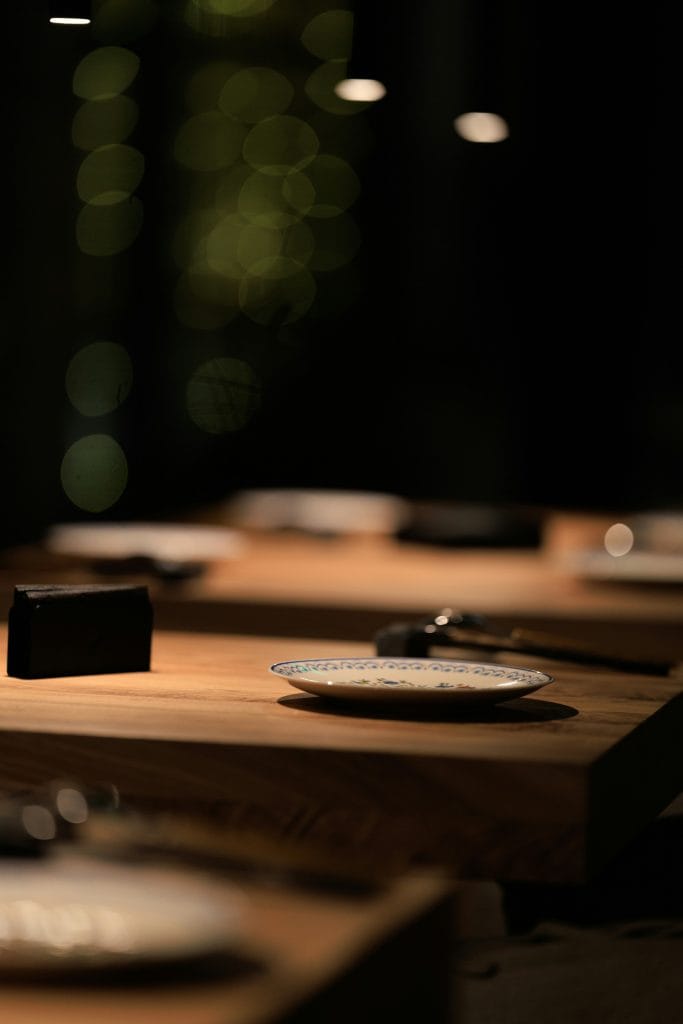
Today’s restaurant design trends are influencing how designers approach food service surfaces. Hospitality designers are embracing biophilic design — incorporating natural elements, textures, and materials that connect guests with nature. Wood grains, organic textures, and earthy color palettes create warmth in commercial spaces. Natural stone accents and living walls extend this connection.
The challenge is achieving this aesthetic with materials that meet commercial durability requirements. We’ve specified TFL wood grains that deliver the warmth of natural wood without the maintenance concerns. The synchronized textures available today closely mimic authentic wood, creating the visual and tactile experience guests seek while providing the cleanability and durability operators need.
Tactile and Sensorial Experiences
Current trends emphasize texture as a design tool. Designers are layering materials with different tactile qualities to create multi-sensory environments. Smooth surfaces contrast with textured finishes. Matte plays against polished. These combinations create visual depth and encourage guests to engage with their surroundings.
Surface specification supports this trend through thoughtful material selection. Combining textured TFL on vertical surfaces with smooth HPL on horizontal work surfaces creates contrast while meeting performance requirements in each application.
Sustainability and Material Transparency
Guests increasingly notice and appreciate sustainable practices. Restaurants are responding with eco-friendly materials, reclaimed finishes, and transparency about material sourcing. Low-VOC options, GREENGUARD certification, and CARB-compliant substrates demonstrate commitment to indoor air quality and environmental responsibility.
We recommend specifying materials with documented sustainability credentials. TFL panels with no-added-formaldehyde (NAF) or ultra-low-emitting-formaldehyde (ULEF) cores address air quality concerns while delivering commercial performance.
Case Study: Fast-Casual Restaurant Renovation
A regional fast-casual concept approached us with a common challenge: their flagship 2,800-square-foot location needed a complete surface refresh. The 12-year-old interior showed its age — peeling laminate on booth backs, worn countertops at the service station, and a dated aesthetic that no longer reflected the brand’s identity. A recent health inspection had flagged several surfaces as difficult to clean properly.
We developed a zoned specification strategy. For the prep kitchen, we specified NSF-certified stainless steel work surfaces and wall panels. The investment in quality materials here addressed the health code concerns directly and would simplify future inspections.
At the service counter, we specified chemical-resistant HPL with sealed edges to handle the constant spills and cleaning that front-line surfaces endure. The material’s impact resistance would stand up to trays, beverages, and the general chaos of a busy lunch rush.
For the dining room millwork — booth backs, banquette bases, and the feature wall behind the ordering counter — we specified TFL in a warm oak grain with synchronized texture. This created the natural, welcoming atmosphere the brand wanted without the maintenance concerns of real wood veneer. The material’s stain resistance and cleanability met operational requirements while transforming the guest experience.
The results exceeded expectations. The project passed health inspection without remediation. Maintenance requests dropped significantly in the first six months. Guest feedback highlighted the refreshed atmosphere. And the total project cost came in 22% below the owner’s original all-solid-surface specification — savings that funded additional locations.

Specification Checklist for Food Service Environments
Before finalizing specifications for food service surfaces, we recommend verifying the following checklist.
- All food contact surfaces meet NSF/ANSI 2 or NSF/ANSI 51 requirements
- Non-food contact work surfaces in service areas specify NSF/ANSI 35 certified laminates
- Back-of-house wall surfaces are non-porous and rated for pressure washing
- Edge treatments protect laminate surfaces from moisture infiltration
- Materials resist the specific cleaning chemicals the operator uses
- Color and finish selections coordinate across different materials in the same zone
- Substrates meet CARB Phase 2 or better for indoor air quality
- Specifications document certifications for health department review
- Material selections align with the operator’s maintenance capabilities
- Lifecycle cost analysis supports the specification decisions
Specifying food service surfaces correctly helps restaurants balance health code compliance, durability, and design impact.
FAQs
Does TFL meet health code requirements for restaurant use? TFL works well for non-food contact applications like dining room casework, booth backs, and service station millwork. Direct food contact surfaces require NSF-certified materials like stainless steel or approved solid surfaces.
What’s the difference between NSF/ANSI 2 and NSF/ANSI 35? NSF/ANSI 2 covers food handling equipment including food contact surfaces. NSF/ANSI 35 covers decorative laminates for non-food contact applications like service counters and wait stations.
How do I choose between HPL and TFL for restaurant projects? HPL offers greater impact resistance for horizontal work surfaces. TFL delivers cost-effective durability for vertical applications and casework. Many projects use both, matching material to application.
Can TFL surfaces withstand commercial cleaning chemicals? Yes. TFL resists most commercial cleaning products used in food service environments. We recommend verifying compatibility with specific chemicals before specifying.
What certifications should I look for in restaurant surface materials? For food contact: NSF/ANSI 2 or 51. For decorative laminates: NSF/ANSI 35. For indoor air quality: GREENGUARD Gold or CARB Phase 2 compliance. Document all certifications for health department review.