
Durable Surface Materials for High-Traffic Office Spaces: Your Complete Buying Guide
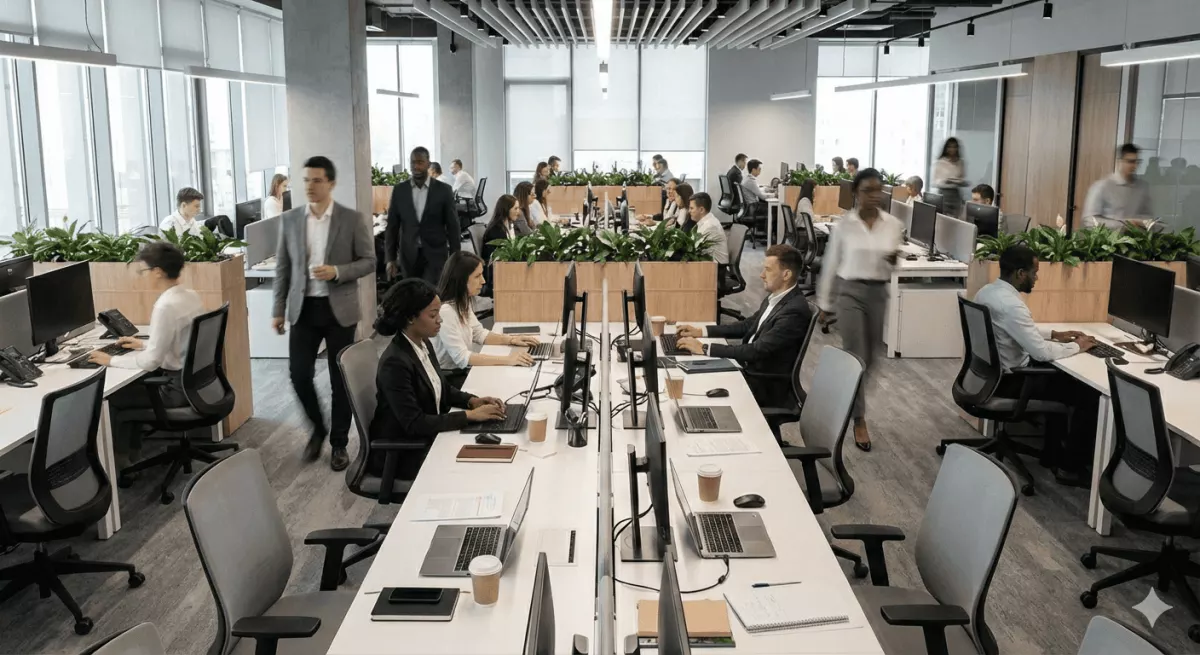
Durable surface performance is one of the most underestimated decisions in high-traffic office design.
That reception desk you specified three years ago? The one that looked showroom-perfect until month four, when scratches appeared from daily ID badge swipes? By month twelve, the veneer was delaminating at the corners. By year two, your client was asking when they’d budgeted for replacement.
Here’s the uncomfortable truth about commercial surface materials: gorgeous doesn’t equal durable, and the cheapest option usually costs the most over its actual lifespan. Research shows that TFL components in commercial settings easily outlast wood and veneered components in high-use applications—yet many designers still default to materials that photograph beautifully but perform poorly.
High-traffic office spaces demand surfaces that withstand punishment most residential materials can’t imagine: thousands of daily touches, rolling carts, coffee spills, disinfectant wipes, laptop bags dragged across desks, and chair casters grinding the same paths for years. The material choices you make determine whether surfaces look great for a decade or need replacement before the lease renewal.
In this article, you’ll learn:
- How to evaluate durability beyond marketing claims and spec sheets
- The real-world performance of TFL, HPL, solid surface, and specialty materials
- Which materials work best for specific applications (desking vs. walls vs. high-touch surfaces)
- Cost-per-year calculations that reveal true value over surface-level pricing
- Installation and maintenance requirements that affect long-term performance
- How to match material properties to actual use patterns in your projects
- Common specification mistakes that lead to premature failure
Let’s turn surface selection from guesswork into a strategic decision backed by performance data.
Understanding Durability: What “High-Traffic” Actually Means
The Three Types of Commercial Wear
Before comparing materials, understand what’s actually destroying your surfaces. Commercial wear falls into three categories, and materials that excel at one type might fail catastrophically at another.
Abrasion Wear: Friction from repetitive contact—papers sliding across desks, hands touching doors, bags rubbing against walls. Testing measures this in “double rubs”—how many back-and-forth motions a surface withstands before showing visible wear. Commercial spaces need minimum 30,000 double rubs for moderate use; heavy-duty applications require 100,000+.
Impact Damage: The dropped laptop, the chair that slams into the wall panel, the filing cabinet drawer that catches the desktop edge. Impact resistance determines whether surfaces dent, crack, or chip from these daily assaults.
Chemical Attack: Not Hollywood-level chemical spills—just coffee, hand sanitizer, cleaning products, and acidic foods that contact surfaces multiple times daily. Materials that seem indestructible can delaminate or discolor from chemicals you’d consider harmless.
Here’s the crucial part: a surface might score brilliantly on abrasion resistance but fail miserably with impact damage. Or handle impacts beautifully while degrading rapidly from common cleaning products. Effective specification requires matching material strengths to your specific abuse patterns.
The Real Cost of Surface Failure
When surfaces fail prematurely, the cost extends far beyond replacement material. We’ve calculated the actual expense for a typical 10,000-square-foot office replacing failed desking surfaces:
- Material costs: $15,000-25,000
- Labor and installation disruption: $10,000-15,000
- Lost productivity during replacement: $8,000-12,000
- Client relationship impact: Unmeasurable but real
Total: $33,000-52,000 for a failure that proper material selection would have prevented. Meanwhile, TFL panels in commercial settings easily outlast wood and veneered components, delivering the durability that prevents these expensive failures.

How to Read Performance Ratings (And What Manufacturers Hide)
Material spec sheets overflow with impressive numbers—but do you know what they actually mean?
AC Ratings (Abrasion Class): The Association of European Producers of Laminate Flooring recommends AC4 minimum for commercial spaces with moderately heavy traffic, AC5 for heavy traffic areas. These ratings test wear resistance through standardized abrasion cycles.
Impact Resistance: Measured by dropping weighted balls from specific heights. Premium TFL products like Dura-lam achieve higher impact ratings than High Pressure Laminate through enhanced resin systems.
Scratch Resistance: Usually tested with Taber abraser or similar equipment. TFL decorative panels show excellent scratch and wear resistance comparable to HPL.
Here’s what manufacturers don’t advertise: these tests measure new material performance. Real-world durability depends on edge treatments, substrate quality, and installation precision. A surface rated for 100,000 double rubs might fail at 30,000 if edges aren’t properly sealed or if the substrate swells from moisture.
Thermally Fused Laminate (TFL): The Commercial Workhorse
What TFL Actually Is (Beyond the Marketing)
Thermally Fused Laminate fuses resin-impregnated décor paper directly to composite wood substrate through heat and pressure—no separate gluing step required. This process creates finished panels ready for fabrication, eliminating the laminating lines furniture makers would otherwise need.
The technology evolved from European panel producers seeking efficiency improvements over traditional HPL-on-substrate construction. Early TFL was limited to white, almond, and gray—boring colors relegated to cabinet interiors. Modern TFL from manufacturers like KML Designer Finishes offers 800+ colors, 8+ finishes, and 10+ core options that meet diverse design requirements.
Where TFL Excels (And Where It Doesn’t)
Ideal Applications:
- Vertical surfaces (wall panels, cabinet fronts, door panels)
- Low-impact horizontal surfaces (desktops, work surfaces, shelving)
- Casework and storage systems
- Office furniture and fixtures
- Areas requiring frequent cleaning with standard commercial products
Performance Characteristics: TFL’s heat-and-pressure bonding creates surfaces that resist scratches, stains, and everyday wear—making them ideal choices for high-traffic areas like offices and commercial interiors. The wear and scratch resistance compares favorably to HPL, though edge treatments significantly impact overall durability.
Limitations:
- Not suitable for extreme horizontal abuse (food prep counters in high-volume cafeterias)
- Considered non-repairable—damage requires component replacement
- Requires proper edge banding to prevent moisture penetration
- Less impact-resistant than solid-core materials unless enhanced formulations are specified
TFL Cost Reality: First Price vs. True Value
Let’s compare actual costs over a 10-year lifespan for a typical office project with 40 workstations:
TFL Specification:
- Initial material + installation: $28,000
- Maintenance (cleaning, minor repairs): $2,000 over 10 years
- Replacement cycle: None needed in 10-year period
- Total 10-year cost: $30,000
- Cost per station per year: $75
Wood Veneer Specification:
- Initial material + installation: $45,000
- Maintenance (refinishing, repairs): $8,000 over 10 years
- Partial replacement (year 7): $15,000
- Total 10-year cost: $68,000
- Cost per station per year: $170
KML’s TFL panels deliver the wood-inspired aesthetic clients want with durability that outlasts veneer—at a cost that makes CFOs happy. The “premium” of better materials disappears rapidly when you calculate cost-per-year instead of focusing solely on first price.
Specifying TFL Correctly: The Details That Determine Success
Successful TFL installations depend on details many designers overlook:
Core Selection Matters: With 10+ core options available, choosing the right substrate determines performance. Standard particleboard works for most applications; moisture-resistant cores suit humid environments; fire-retardant cores meet code requirements in specific occupancies.
Edge Treatment Is Critical: The durability of finished TFL panels depends largely on edge quality during fabrication. Proper edge banding protects panel integrity and prevents moisture infiltration that causes swelling and delamination.
Color Coordination: TFL manufacturers now publish cross-reference guides for matching designs in HPL, 3DL, edge treatments, and other materials. This “one-stop-shopping” access to coordinated designs has driven TFL adoption—you can specify TFL for vertical surfaces, HPL for high-wear horizontals, and matching edge banding, all in the same visual.
Texture and Finish: Specialized embossing plates create textures ranging from reclaimed wood roughness to subtle linen feels. These textures aren’t just aesthetic—they mask minor surface imperfections and add tactile interest that elevates perceived quality.
High Pressure Laminate (HPL): When You Need Maximum Toughness
Understanding HPL Construction
High Pressure Laminate layers resin-impregnated kraft paper (core strength) with decorative paper (visuals) and melamine overlay (protection), fusing them at pressures up to 1,000 PSI and intense heat. This creates thermoset laminate sheets that must be separately glued to substrates during fabrication.
The multi-layer construction—including kraft paper that TFL omits—delivers superior wear resistance, impact resistance, and heat tolerance compared to lower-pressure laminates.
When HPL Justifies Its Premium
HPL costs 30-50% more than TFL but delivers performance that justifies the investment in specific applications:
Optimal HPL Applications:
- Horizontal surfaces with heavy abuse (transaction counters, shared work surfaces)
- Food service areas requiring heat resistance up to 275°F
- High-impact zones (doorways, circulation areas, loading/receiving)
- Areas where seamless appearance isn’t critical
- Postformed applications (curved or rolled edges)
Research comparing HPL to solid surfaces shows HPL’s advantages include superior wear resistance, lower heat conduction, and minimal maintenance requirements—all while offering more design options at lower cost than solid surface alternatives.
HPL’s Achilles Heel: Seams and Edges
Here’s what the beautiful spec sheets don’t emphasize: HPL requires visible seams when sheets join. In healthcare or food service settings where hygiene is critical, these seams need extra cleaning attention to prevent bacterial buildup.
Additionally, edge treatments are essential to protect HPL surface integrity. Exposed particle board edges spell disaster—they absorb moisture, swell, and compromise the entire installation. Proper edge banding or solid edging adds cost but determines whether your HPL surfaces last 3 years or 15.
HPL vs. TFL: The Strategic Choice
Many designers wonder: when should I specify HPL over TFL? Here’s the decision matrix:
Choose HPL when:
- Horizontal surfaces face extreme abuse
- Heat resistance above 200°F is required
- Impact resistance is paramount
- Budget accommodates 30-50% premium
- Postforming is needed
Choose TFL when:
- Primary application is vertical surfaces
- Horizontal surfaces are low-impact (desktops, not food prep)
- Budget is constrained but quality matters
- Design coordination across multiple material types is important
- Faster lead times are beneficial
Smart designers use both: Wilsonart’s coordinated surfaces program exemplifies the best approach—maximize HPL durability on horizontal surfaces while maintaining consistent design by incorporating TFL for interior components and vertical applications.
Solid Surface Materials: The Seamless Premium Option
What You’re Actually Buying
Solid surface materials (brands include Corian, Staron, and numerous competitors) are homogeneous mixtures of mineral dust and acrylic resin. Unlike laminates, the color and pattern permeate the entire material thickness, allowing for seamless joints and the ability to sand out damage.
The Solid Surface Value Proposition
Advantages:
- Seamless appearance—joints are virtually invisible when properly installed
- Repairable—scratches and minor damage can be sanded out
- Non-porous surface resists moisture and bacterial growth
- Thermoformable—can create integral sinks, coved backsplashes, complex shapes
- Easy maintenance with non-abrasive household cleaners
Disadvantages:
- 200-300% cost premium over HPL for comparable applications
- Can be susceptible to scratches from daily use (though repairable)
- Less heat-resistant than HPL—hot items can damage surface
- Requires professional installation for seamless joints
- Limited design options compared to laminate variety
When Solid Surface Makes Financial Sense
Despite higher first costs, solid surface justifies investment in specific scenarios:
Healthcare Settings: The non-porous, seamless surface prevents bacterial growth and allows aggressive disinfection—critical in patient care areas.
Hospitality Vanities: Integral sinks eliminate seams where moisture causes laminate failures. The ability to repair guest-room damage in-place reduces long-term costs.
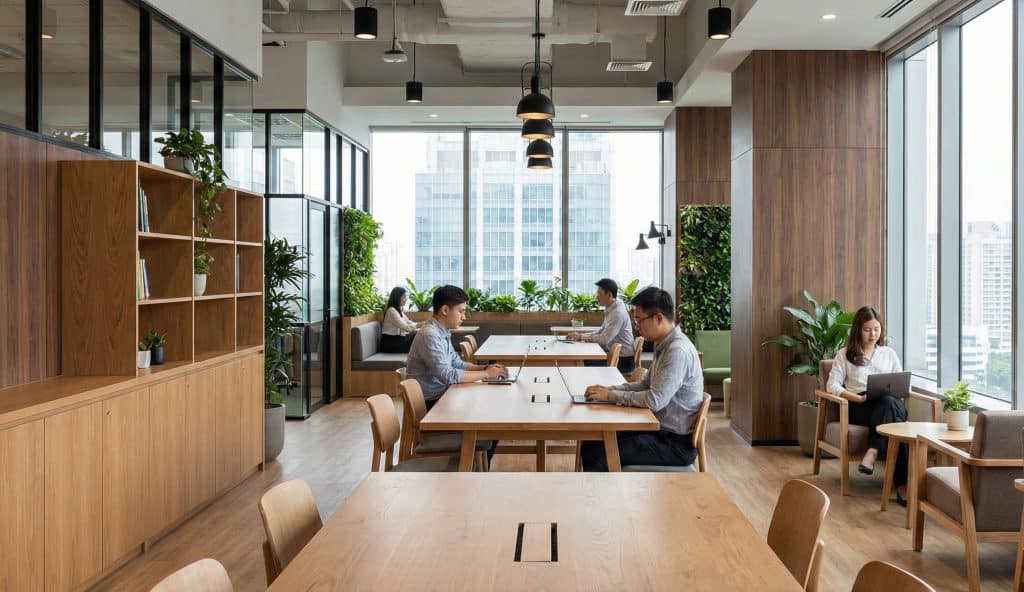
Executive Spaces: Where budget isn’t the primary concern and seamless aesthetics signal quality.
Food Service: Proper-grade solid surface meets health code requirements while offering repairability laminates can’t match.
For typical commercial office applications—desking, casework, wall panels—solid surface’s advantages rarely justify the 200%+ cost premium over quality TFL from KML Designer Finishes. Save the solid surface budget for areas where its unique properties solve actual problems.
Specialty Materials for Specific Challenges
Solid Grade Laminate (SGL): The Heavy-Duty Alternative
Solid Grade Laminate is a 13mm self-supporting laminate made entirely of resin-impregnated layers—no substrate required. The completely solid, waterproof core makes it ideal for:
- High-moisture environments (locker rooms, pool areas, showers)
- Extreme abuse applications (prison cells, detention facilities)
- Outdoor or semi-outdoor installations
- Partitions and dividers where self-supporting panels eliminate framing
SGL offers superior moisture resistance, impact resistance, and longevity compared to HPL, though its thinner 13mm profile may not provide the same premium aesthetic as thicker HPL panels.
Metal Laminates and Specialty Surfaces
When standard materials won’t cut it, specialty surfaces solve unique problems:
Stainless Steel Surfaces: Healthcare, labs, and food service areas requiring ultimate cleanability and chemical resistance. Durable but expensive and prone to showing fingerprints.
Antimicrobial Laminates: Copper or silver ion-infused surfaces that actively inhibit bacterial growth. Growing in popularity post-pandemic for high-touch surfaces.
ESD (Electrostatic Dissipative) Laminates: Electronics manufacturing and sensitive equipment areas where static discharge causes damage.
Fire-Rated Laminates: Spaces requiring enhanced fire performance beyond standard materials.
These specialty materials typically cost 3-5x standard laminate prices. Specify them strategically where their unique properties solve critical problems—not as blanket solutions.
Engineered Stone and Quartz: The Ultra-Premium Choice
Quartz surfaces deliver exceptional durability and luxury appearance at premium pricing:
Advantages:
- Extremely scratch and stain resistant
- Heat-resistant and non-porous
- Luxury appearance rivals natural stone
- Minimal maintenance requirements
- Long lifespan justifies investment in high-visibility areas
Disadvantages:
- 400-600% cost premium over TFL
- Heavy—requires reinforced substrate and professional installation
- Difficult to repair if damaged
- Limited shapes (flat slabs, not formable)
Reserve engineered stone for ultra-high-end executive areas, feature reception desks, or applications where clients specifically request natural stone aesthetics with better performance.
Application-Specific Material Selection Guide
Reception Desks and High-Touch Surfaces
Primary Challenge: Thousands of daily touches, ID badge scrapes, purse and laptop bag abrasion, spilled coffee.
Material Recommendations:
Best Choice: HPL for horizontal surfaces (transaction counter, write surfaces), TFL for verticals (front panels, support structures). This combination delivers durability where needed while controlling costs on vertical applications.
Premium Alternative: Solid surface for seamless appearance and repairability in high-visibility corporate lobbies.
Avoid: Standard wood veneer (delaminates from moisture), untreated wood (stains and scratches), painted surfaces (chips rapidly).
Office Desking and Work Surfaces
Primary Challenge: Laptop heat, document abrasion, coffee rings, chair damage to edges, caster impact on support panels.
Material Recommendations:
Best Choice: TFL from KML Designer Finishes provides excellent durability for office desktops with cost-effectiveness that scales to large installations. Over 800 color options ensure design flexibility.
When to Upgrade: HPL for shared workstations seeing heavier abuse, especially in co-working or hot-desking environments where user variety increases wear.
Edge Critical: Regardless of material choice, invest in quality edge banding. Proper edge treatments largely determine finished panel durability.
Storage and Casework
Primary Challenge: Door impact, drawer abrasion, interior surface cleaning, shelf load deflection.
Material Recommendations:
Best Choice: TFL throughout—interiors, exteriors, shelving. TFL’s excellent durability and coordinated design options make it ideal for cabinetry, wall paneling, and fixtures.
Core Consideration: Specify appropriate substrate for the application. Standard particleboard works for most office casework; moisture-resistant cores suit break rooms and restrooms; fire-retardant cores meet requirements for certain occupancies.
Conference Rooms and Collaboration Spaces
Primary Challenge: Table surface abuse from laptops, coffee, technology cords; wall panel damage from moving furniture; whiteboard surface durability.
Material Recommendations:
Tables: HPL for large conference tables seeing daily use. The investment pays off over 10+ year lifespans.
Wall Panels: TFL provides cost-effective durability for decorative wall treatments, dado rails, and architectural features.
Technology Integration: When integrating power/data into surfaces, specify materials that allow clean wire pass-throughs without compromising structural integrity.
Break Rooms and Cafeteria Spaces
Primary Challenge: Food spills, heat exposure, moisture, cleaning chemical exposure, heavy traffic.
Material Recommendations:
Countertops: HPL minimum; solid surface or quartz for high-volume cafeterias. The heat resistance and cleanability justify premium pricing.
Cabinets: Moisture-resistant TFL core with proper edge sealing. Standard TFL faces moisture in break rooms but requires moisture-rated substrates.
Tables: HPL or solid surface depending on expected abuse level and cleaning frequency.
Avoid: Standard wood, painted surfaces, materials without chemical resistance.
Installation and Maintenance Requirements
Why Professional Installation Matters
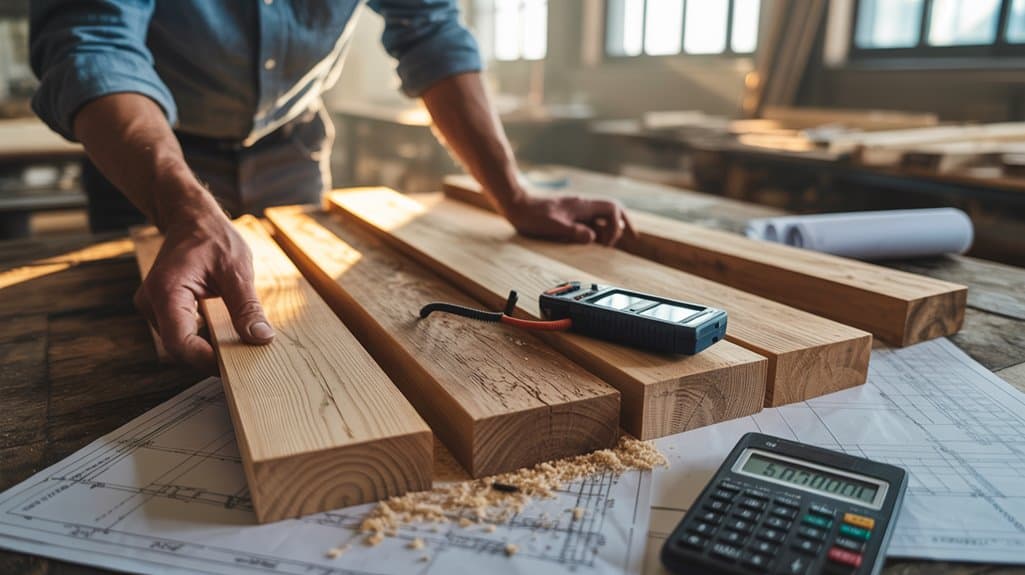
We’ve seen countless beautiful material specifications ruined by poor installation. Successful TFL installations depend on fabricator skill and precision.
Critical Installation Factors:
Edge Banding Quality: Improper edge application leads to premature delamination. Edges must be fully sealed and properly bonded—not just cosmetically acceptable.
Substrate Preparation: Uneven or damaged substrate telegraphs through laminate surfaces. Proper preparation prevents visible imperfections.
Adhesive Selection: Wrong adhesives cause bond failure. Use manufacturer-specified products compatible with your chosen materials.
Climate Acclimation: Materials must acclimate to installation environment temperature and humidity before fabrication. Rushing this step causes dimensional issues.
Maintenance Protocols That Preserve Surfaces
Even the most durable materials fail without proper maintenance. Establish clear protocols with clients:
Daily Cleaning:
- Mild soap and water for routine cleaning
- Microfiber cloths prevent scratching
- Immediate spill cleanup prevents staining
What to Avoid:
- Abrasive cleaners or scrubbing pads
- Harsh chemicals (acetone, paint thinner, strong solvents)
- Excessive water pooling on surfaces
- Steel wool or abrasive tools
Periodic Maintenance:
- Inspect edge integrity quarterly
- Address minor issues before they become major failures
- Reapply sealants to edges in moisture-prone areas annually
TFL is considered non-repairable—while commercial products exist to mask defects, they typically wear off after cleaning. Prevention through proper specification and maintenance beats attempting repairs.
Cost Analysis: First Price vs. Lifetime Value
The 15-Year TCO Calculation
Smart clients think beyond first price. Here’s actual total cost of ownership for a 10,000 square-foot office over 15 years:
TFL Specification (Baseline):
- Initial installation: $85,000
- Maintenance costs: $9,000 (cleaning, minor repairs)
- Replacement cycle: Partial (20%) at year 12: $18,000
- Total 15-year cost: $112,000
- Annual cost per square foot: $0.75
HPL Throughout (Premium):
- Initial installation: $125,000
- Maintenance costs: $7,000 (easier cleaning, fewer repairs)
- Replacement cycle: Minimal (10%) at year 14: $13,000
- Total 15-year cost: $145,000
- Annual cost per square foot: $0.97
Wood Veneer (Aesthetic Premium):
- Initial installation: $145,000
- Maintenance costs: $28,000 (refinishing, repairs)
- Replacement cycle: Major (60%) at year 8: $90,000
- Total 15-year cost: $263,000
- Annual cost per square foot: $1.75
Solid Surface (Ultra-Premium):
- Initial installation: $285,000
- Maintenance costs: $12,000 (refinishing, minor repairs)
- Replacement cycle: None in 15 years
- Total 15-year cost: $297,000
- Annual cost per square foot: $1.98
The supposed “economy” of cheaper materials evaporates when calculating actual lifetime costs. TFL’s durability in commercial settings delivers exceptional value—outlasting alternatives at a fraction of lifetime cost.
ROI of Upgrading Specifications
Clients often balk at upgraded specifications until you show the math. Consider upgrading from standard TFL to enhanced-durability TFL in high-abuse areas:
Upgrade Cost: +$8,000 on $85,000 base specification (9.4% premium)
Benefits:
- Extends replacement cycle from 12 years to 18+ years
- Reduces maintenance calls by 40%
- Prevents client dissatisfaction from premature wear
ROI: Upgrade pays for itself in year 9 through avoided replacement costs. Every year thereafter represents pure savings.
The lesson: strategic upgrades in high-wear areas deliver measurable return. Blanket premium specifications across entire projects waste money; targeted upgrades where performance matters pay dividends.
Common Specification Mistakes (And How to Avoid Them)
Mistake 1: Choosing Materials Based on Photography
That stunning Instagram-worthy wood grain veneer? It photographs beautifully but delaminates within three years in commercial use. Materials specified for aesthetic appeal alone—without performance validation—cause expensive failures.
The Fix: Start with performance requirements, then select aesthetically pleasing options from materials that meet those requirements. KML’s TFL offers 800+ colors and multiple finishes—you can achieve desired aesthetics with materials engineered for commercial durability.
Mistake 2: Neglecting Edge Treatment Specifications
We’ve investigated countless “laminate failures” that were actually edge treatment failures. The face laminate performed perfectly; moisture penetrated through poorly sealed edges and destroyed the substrate.
The Fix: Specify edge treatment as carefully as face material. Detail edge banding thickness, adhesive type, and application method. For TFL, edge treatment quality largely determines finished panel durability.
Mistake 3: Applying Residential Standards to Commercial Projects
Residential materials survive with gentle use and immediate damage attention. Commercial environments deliver relentless abuse with deferred maintenance.
The Fix: Commercial-grade specifications always. If a material isn’t rated for commercial use, it doesn’t belong in your office project regardless of how beautiful it looks or how much the client loves it at home.
Mistake 4: Ignoring Moisture Management
Moisture kills more commercial surface installations than any other factor. It comes from spills, cleaning water, HVAC condensation, plumbing leaks, and high humidity.
The Fix: Specify moisture-resistant cores in high-risk areas. Detail proper edge sealing. Include moisture barriers where appropriate. Don’t assume “it’s an office—how much moisture could there be?”
Mistake 5: Focusing Only on Initial Cost
The CFO who demands the cheapest specification will be the same CFO angry about replacement costs five years later.
The Fix: Present lifetime cost analysis alongside first-price quotes. Show the TCO calculation. Demonstrate how “expensive” materials actually cost less per year than “economical” alternatives.
Wrapping Up: Making the Strategic Material Choice
Durable surface material selection isn’t about finding the single “best” material—it’s about matching material properties to specific use patterns in your project. That means TFL from KML Designer Finishes for vertical surfaces and low-impact horizontals, HPL for heavy-abuse counters, solid surface where seamless aesthetics justify premium investment.
The designers getting this right understand three principles:
First: Initial cost and lifetime value are different calculations. TFL easily outlasts wood and veneer in commercial settings, delivering exceptional value despite higher first-price than some alternatives.
Second: Edge treatment determines durability as much as face material. Specify edge banding with the same care you apply to face laminate selection.
Third: Strategic material combinations outperform blanket specifications. Use premium materials where performance demands it; cost-effective solutions where they’re adequate.
Start your next project by documenting actual abuse patterns the surfaces will face. Then select materials with proven performance in those specific conditions. The reception desk that sees 500 daily touches needs different materials than the executive office used by one person.
That reception desk you specified? Next time, it’ll still look showroom-perfect at year three. And year six. And when your client asks for your help with their next location, you’ll know exactly why.
Frequently Asked Questions
What’s the real difference between TFL and HPL—aren’t they basically the same?
No. TFL fuses décor paper directly to substrate in a single step; HPL layers kraft paper and décor paper separately, then glues the finished sheet to substrate. HPL delivers 30-50% higher impact resistance and heat tolerance, making it better for extreme horizontal abuse. TFL offers faster production, better cost-effectiveness, and excellent performance for vertical applications and low-impact surfaces.
Can I repair damaged laminate surfaces, or do they require complete replacement?
TFL and HPL are considered non-repairable—damage requires component replacement. Commercial products exist to mask minor defects, but they wear off with normal cleaning. Solid surface materials can be sanded to remove scratches and damage, making them repairable. This repairability partially justifies solid surface’s 200-300% cost premium in applications where damage frequently occurs.
How do I calculate whether premium materials justify their cost for my project?
Calculate total cost of ownership over expected lifespan (typically 10-15 years): Initial installation + Maintenance costs + Replacement cycle costs = Total. Divide by years to get annual cost. TFL components easily outlast wood and veneer in commercial settings, often delivering lower annual costs despite comparable first-price premiums. Include disruption costs from mid-life replacements—they’re substantial.
What core substrate should I specify for TFL panels—does it really matter?
Yes. Standard particleboard works for most office applications. Moisture-resistant MDF or particleboard suits humid environments (break rooms, restrooms). Fire-retardant cores meet code requirements in specific occupancies. The core choice affects panel performance, cost, and lifespan. Consult manufacturers like KML Designer Finishes for core recommendations based on your specific application and environment.
How important is edge banding quality—can’t I just spec “matching edge treatment”?
Edge treatment quality largely determines finished TFL panel durability. Detailed specification matters: edge material type, thickness (minimum 2mm), adhesive compatibility, application method, and sealing procedures. Poor edge treatment allows moisture penetration that destroys substrate regardless of face laminate quality. Specify edge treatment with same precision as face material—it’s not a minor detail.